
WHO chief raises alarm over scale of Ebola outbreak after death toll climbs
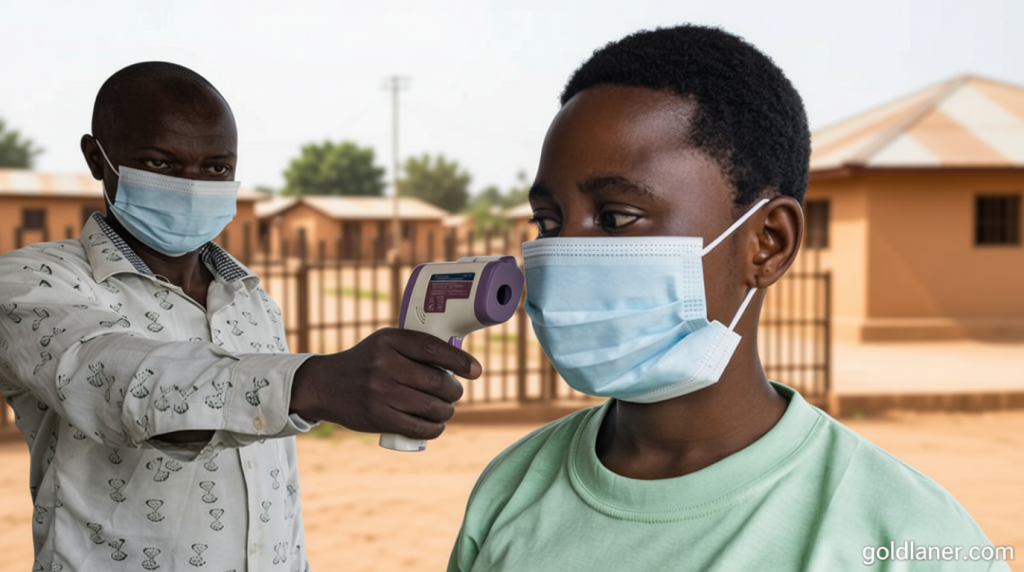
WHO Chief Rises in Concern as Ebola Outbreak Escalates
WHO chief raises alarm over scale – On Tuesday, the head of the World Health Organization, Dr. Tedros Adhanom Ghebreyesus, voiced serious worries about the rapid spread and growing intensity of the Ebola crisis in the Democratic Republic of Congo (DRC) and Uganda. The situation has intensified as the number of fatalities continues to climb, prompting questions about the effectiveness of the global response to the epidemic. Ghebreyesus highlighted the urgency of the outbreak, emphasizing the need for swift action to contain its spread.
Outbreak Spreads to Uganda, Raising Alarm
The current outbreak is fueled by the Bundibugyo virus, which belongs to the Orthoebolaviruses family capable of causing Ebola disease. While the DRC’s remote northeastern Ituri province remains the epicenter, the virus has also reached Uganda, with two confirmed cases in its capital, Kampala, according to WHO. This development has heightened fears of the outbreak’s potential to cross borders and disrupt regional stability.
As of Tuesday, the DRC’s health minister, Dr. Samuel Roger Kamba, reported 131 deaths tied to the outbreak, with over 500 suspected cases. Ghebreyesus noted that 30 of these cases had been confirmed in Ituri province, underscoring the localized but escalating threat. The WHO chief also stressed that the situation in Uganda, though less severe, is a critical sign of the virus’s ability to spread beyond the DRC’s borders.
Delays in Response Spark Questions
Experts are questioning the delay in identifying and tracking the outbreak’s early stages, especially given the DRC’s prior experience with Ebola epidemics. Dr. Craig Spencer, a physician who survived the 2014 Ebola outbreak in the United States, told CNN on Monday that the pace of detection has been troubling. “I’ve been saying the most concerning thing to me has been how much we learned, how quickly we learned it,” he remarked. “There’s no doubt that this is probably much worse than what we think right now. I suspect the true case total is much higher than what’s being reported.”
Spencer’s comments reflect concerns about the accuracy of reported figures. He argued that the initial cases may have gone unnoticed for weeks, allowing the virus to propagate unchecked. The WHO has been working to address these gaps, but the lack of early intervention has raised doubts about preparedness and coordination among health authorities.
Travel Restrictions and International Reactions
In response to the growing crisis, the United States invoked a public health law on Monday to restrict travel from the affected region, following the confirmation of a U.S. national testing positive for the virus in the DRC. This move was met with criticism from the Africa Centres for Disease Control and Prevention (Africa CDC), which warned that broad travel bans could disrupt daily life and economic activity in the region.
Ugandan officials sought to reassure travelers on Tuesday, stating that no local transmission had occurred within the country. The Uganda Tourism Board clarified that the two cases identified in Kampala involved individuals from the DRC who had traveled to the region. Despite this, the State Department issued a warning to Americans, advising against travel to the DRC, South Sudan, and Uganda, while urging reconsideration of trips to Rwanda due to the outbreak’s regional impact.
Timeline of the Outbreak and WHO’s Emergency Declaration
The first known suspected case emerged in late April, when a health worker began exhibiting symptoms on April 24, as reported by WHO. The individual later succumbed to the illness at a medical center in Bunia, the capital of Ituri province. On May 5, the WHO received an alert about an “unknown illness” with high mortality rates, which led to a rapid response team investigation. By May 15, the outbreak was officially confirmed as being caused by the Bundibugyo virus.
On Sunday, the WHO declared the epidemic a “public health emergency of international concern,” citing the virus’s high positivity rate and the rising number of cases and deaths. Ghebreyesus explained that this was the first time a director-general had taken such a step before convening an emergency committee, which was set to meet later Tuesday. “I did not do this lightly,” he said, highlighting the gravity of the situation and the need for a unified global strategy.
Jeremy Konyndyk, a former lead for pandemic and disaster relief at the U.S. Agency for International Development (USAID), pointed out that multiple generations of transmission likely went undetected in the early stages of the outbreak. “This is a big, big problem,” he said, stressing that delayed responses can lead to widespread infection and complicate containment efforts. The situation has also prompted discussions about the adequacy of existing protocols for identifying and managing viral outbreaks in resource-limited settings.
Africa CDC Highlights Disease Risks and Treatment Challenges
According to the Africa CDC, Ebola is a severe and often fatal illness transmitted through direct contact with bodily fluids of an infected individual. It can also spread via contaminated surfaces or materials, as well as through exposure to a person who has died from the disease. The agency noted that the Bundibugyo strain, while similar to other Ebola viruses, presents unique challenges due to the lack of approved treatments or vaccines specifically targeting it.
The absence of targeted therapies has left healthcare providers relying on supportive care and experimental treatments. This situation has amplified the need for rapid intervention and increased vigilance in affected areas. The Africa CDC has called for stronger collaboration between nations to enhance detection, response, and containment measures, particularly in regions with limited medical infrastructure.
As the outbreak continues to evolve, officials are urging communities to remain cautious. Public health campaigns are being intensified to educate people about transmission risks and preventive measures. The WHO chief’s alarm underscores the critical importance of swift action and transparency in managing the crisis, as the global community watches closely for signs of further escalation.
Global Implications and Next Steps
With the outbreak now classified as a global health emergency, the focus shifts to coordinating international efforts to combat the spread. The WHO’s emergency committee, which meets later this week, will evaluate the situation and recommend additional measures. This includes scaling up vaccine distribution, improving diagnostic capabilities, and strengthening health systems in vulnerable regions.
Experts also emphasize the need for continued monitoring of the outbreak’s progression. The Bundibugyo virus has shown a high mortality rate, and its ability to cross borders poses a significant risk to neighboring countries. Ghebreyesus has called for increased funding and resources to support the response, highlighting the importance of global solidarity in the face of such challenges.
The situation in the DRC and Uganda serves as a stark reminder of the potential for viral outbreaks to evolve rapidly, even with prior experience. As the death toll rises, the international community faces the dual challenge of addressing the immediate health crisis and preventing future outbreaks through improved preparedness and cooperation.
