
Trump administration creates $1.776 billion fund for allies of the president after he drops lawsuit against IRS
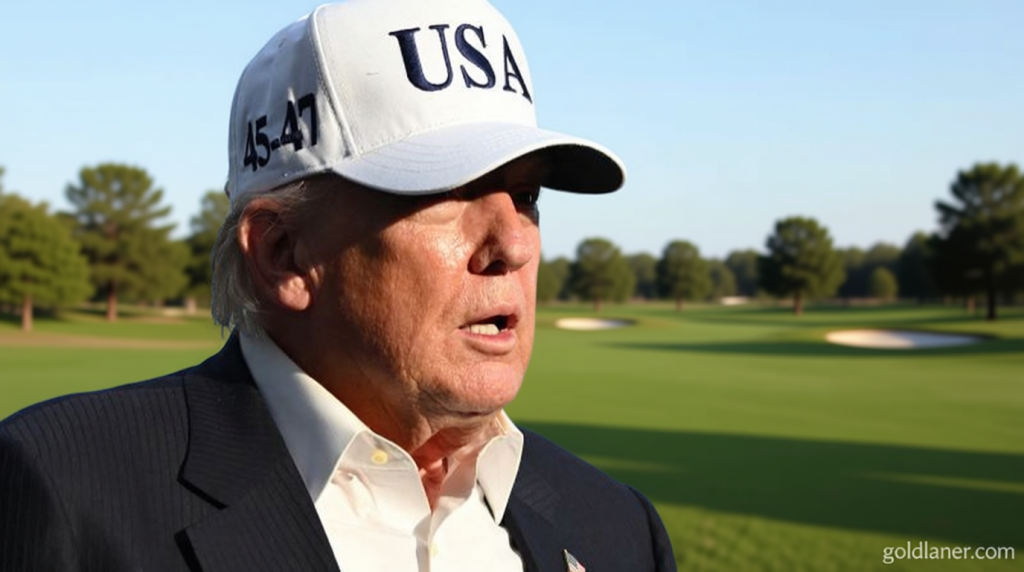
Trump Admin Creates $1.776 Billion Fund for Allies
Trump administration creates 1 776 billion – The Trump administration’s $1.776 billion fund has been established to support allies of the former president, following the withdrawal of a high-profile lawsuit against the IRS. This initiative, announced by the Department of Justice, aims to provide financial compensation to individuals who faced scrutiny or penalties from the IRS during Trump’s first term in office. The decision to drop the $10 billion legal claim against the IRS coincided with the creation of the fund, which is expected to cover claims from Trump’s associates. The move has sparked debate over the use of taxpayer funds to benefit political allies, as the administration shifts its legal focus from individual grievances to collective support.
Legal Strategy and Financial Implications
Trump’s legal team had previously argued that the IRS violated his privacy by leaking sensitive tax information without his consent. The lawsuit, which sought damages of $10 billion, was based on allegations of improper handling of records during the 2016 election. However, the administration’s new fund, valued at $1.776 billion, offers a more flexible approach to resolving similar claims. By redirecting legal resources toward compensating allies, the Trump administration appears to prioritize collective support over individual litigation. Critics argue this strategy could lead to conflicts of interest, as the fund leverages public funds to benefit private interests.
The fund’s creation is part of a broader pattern of settlements involving Trump’s associates. In March, the administration agreed to pay Michael Flynn $50 million, while Carter Page received over $1 million in a separate settlement. These cases highlight the administration’s willingness to resolve disputes with former allies through financial means rather than prolonged legal battles. The $1.776 billion initiative is seen as a continuation of this approach, potentially setting a precedent for future claims against the IRS.
IRS and Tax Scrutiny Controversy
The IRS has long been a target of Trump’s legal strategies, with the administration accusing the agency of biased treatment during his presidency. The $1.776 billion fund is designed to address this perceived injustice, offering compensation to those who faced disproportionate scrutiny. Charles Littlejohn, a former IRS contractor, was a key figure in the controversy, having been sentenced to prison for leaking Trump’s tax records. The fund is expected to provide relief to individuals who may have been similarly targeted, reinforcing the administration’s narrative of institutional bias.
While the fund is intended to reimburse allies, it also raises questions about its scope. The Justice Department clarified that Trump himself will not receive direct payments, though he will be acknowledged as a wronged party. This compromise allows the administration to maintain the appearance of fairness while channeling resources toward supporting key figures. The fund’s structure, which is financed through the IRS’s budget, underscores the interplay between political influence and bureaucratic oversight in the aftermath of the lawsuit’s withdrawal.
Political and Legal Reactions
House Democrats swiftly criticized the administration’s decision, filing a “friend-of-the-court” brief that accused Trump of “blatant self-dealing.” The brief emphasized that the IRS, a federal agency, should not be compelled to fund Trump’s allies without rigorous judicial review. “This move prioritizes the interests of Trump’s inner circle over the public good,” one Democratic representative stated in the filing. The political backlash highlights the perception that the fund serves as a tool for consolidating power and rewarding loyalty within the Trump administration.
Legal analysts have also raised concerns about the legitimacy of the settlements. They note that the Trump administration’s withdrawal of the $10 billion claim suggests a preference for quick resolutions, even if they lack full transparency. “By settling for a smaller sum, the administration may be avoiding deeper scrutiny of its claims,” one expert observed. The $1.776 billion fund, while significant, is viewed by critics as a strategic concession that benefits Trump’s allies at the expense of public accountability. This shift in legal priorities has drawn attention to the broader implications of the administration’s use of taxpayer money.
