
Judge declares a mistrial in Harvey Weinstein’s rape retrial after jury is unable to reach a verdict
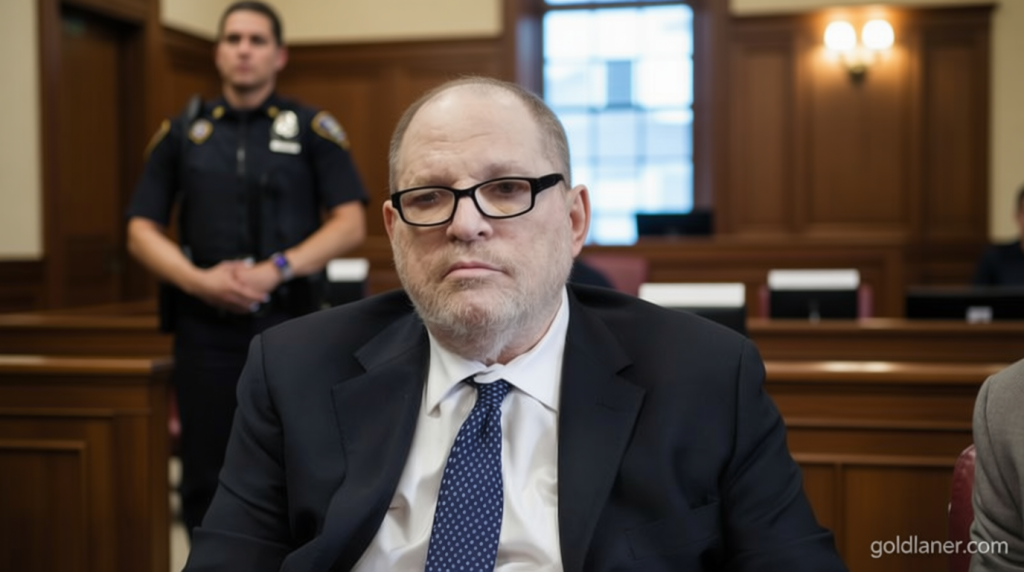
Judge Declares Mistrial in Harvey Weinstein’s Rape Retrial
Judge declares a mistrial in Harvey – The judge’s decision to declare a mistrial in Harvey Weinstein’s rape retrial has reignited debate over the legal challenges surrounding sexual misconduct cases. After weeks of deliberation, the jury failed to reach a unanimous verdict, ending the trial without a conviction. This marks the third time the case has been stalled, highlighting the difficulty in proving Weinstein’s guilt in this specific charge. The outcome leaves the rape accusation unresolved, with prosecutors now considering a fourth trial to secure a verdict.
Background of the Case
Weinstein, a former Hollywood producer, was previously convicted of multiple sexual assault charges in 2020, including rape in New York. However, an appeals court overturned that conviction, prompting a retrial focused on the 2013 incident involving Jessica Mann. Mann, a hairstylist and actress, alleges she was sexually assaulted during a tense encounter with Weinstein, who was then married. The retrial hinges on whether the jury can determine that the incident constituted rape, despite conflicting testimonies and the weight of prior convictions.
The legal battle has drawn significant public attention, with advocates for survivors emphasizing the importance of consistent rulings in high-profile cases. Mann’s testimony during the trial described a mix of consent and coercion, as she recounted her repeated refusals before the assault. The prosecution argued that the situation escalated to rape, while Weinstein’s defense maintained it was a consensual relationship, citing continued contact between the parties as evidence.
Deliberations and Stalemate
After nearly three weeks of jury discussions, the group signaled they could not agree on a verdict. Judge Curtis Farber received a note from the jury, which marked the third time they had reached a deadlock. This pattern raises questions about the jury’s ability to convict Weinstein on the rape charge, even as the broader case against him remains intact. The mistrial declaration underscores the complexities of proving sexual misconduct, particularly in cases where multiple accusations are involved.
Following the verdict, prosecutors will decide whether to pursue a fourth trial. The hearing on June 24 will address this possibility, as well as the implications for Weinstein’s legal standing. While his convictions on other charges stand, the unresolved rape case continues to cast doubt on his overall guilt. For Mann, the ongoing legal process represents both a personal and public reckoning, as she remains steadfast in her account of the incident.
Public and Legal Impact
The mistrial has sparked renewed conversations about the #MeToo movement’s influence on courtroom dynamics. Critics argue that the case exemplifies the challenges survivors face in securing justice, while supporters see it as a testament to the movement’s persistence in holding powerful figures accountable. Tarana Burke, the founder of #MeToo, has highlighted the importance of these trials in shaping societal perceptions of sexual misconduct.
Legal analysts note that the jury’s inability to reach a verdict may reflect broader tensions in the case. Weinstein’s defense has focused on undermining Mann’s credibility, while the prosecution has stressed the emotional and physical components of the alleged rape. The decision to declare a mistrial could impact future trials, as the judge’s ruling might influence how juries approach similar cases. This trial’s conclusion serves as a reminder of the delicate balance between evidence, testimony, and public opinion in sexual assault proceedings.
Future Steps and Implications
The mistrial declaration sets the stage for a potential fourth trial, with prosecutors reviewing their strategy and evidence. Legal experts suggest that the case may be simplified in the next attempt, focusing more narrowly on the rape charge. Weinstein’s legal team has expressed confidence in their arguments, while Mann continues to assert her version of events. The outcome of this retrial could determine whether Weinstein’s legacy is defined by his history of misconduct or his ability to prove his innocence in one final attempt.
As the legal process moves forward, the case remains a focal point for discussions about justice, accountability, and the evolving landscape of sexual assault trials. The judge’s decision to declare a mistrial in Harvey Weinstein’s rape retrial reflects the ongoing challenges in securing a conviction, even as the movement for gender equality continues to drive public discourse. This case exemplifies the intersection of law, media, and societal change, with its resolution likely to shape future legal battles involving sexual misconduct.
