
Former death row inmate Richard Glossip granted $500,000 bail after nearly 30 years in prison
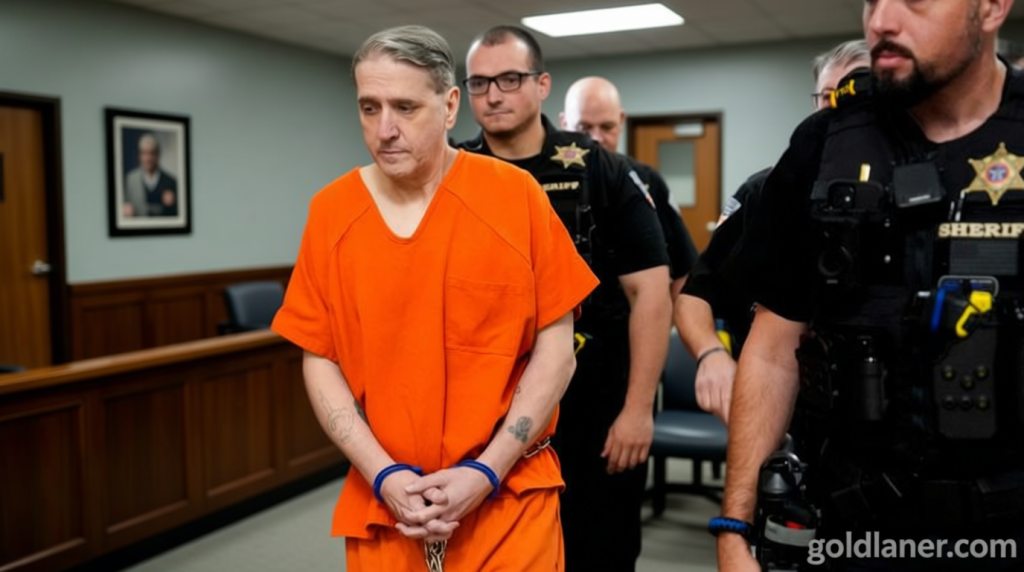
Richard Glossip, Oklahoma Death Row Inmate, Gets $500K Bail After 30 Years
Former death row inmate Richard Glossip was recently granted $500,000 bail, marking a pivotal moment in his legal saga. After nearly three decades behind bars, the Oklahoma court’s decision allows Glossip to reenter society pending his retrial. The move follows a landmark reversal of his death sentence by the U.S. Supreme Court in February 2025, which reexamined the evidence from his 1998 conviction. The bail approval highlights the evolving landscape of capital punishment and the potential for correcting past judicial errors.
Supreme Court Overturns Conviction
The U.S. Supreme Court’s ruling in February 2025 was a critical turning point for Former death row inmate Richard Glossip. The court found that the original trial lacked sufficient evidence to justify the death penalty, particularly in linking Glossip to the 1997 murder of Barry Van Treese. This reversal not only paved the way for a retrial but also brought renewed attention to the fairness of his initial conviction. Advocates argue that the decision reflects growing scrutiny of death penalty cases and the importance of due process in Oklahoma’s legal system.
“For the first time in 29 years of being incarcerated for a crime he did not commit, during which he faced 9 execution dates and ate 3 last meals, Mr. Glossip now has the chance to taste freedom,” said his attorney, Don Knight, in a statement. The quote underscores the emotional and legal significance of the bail ruling, which represents a major step toward justice for a man who has spent nearly three decades on death row.
Bail Conditions and Legal Implications
As part of the bail agreement, Former death row inmate Richard Glossip must adhere to strict conditions. These include wearing a GPS ankle monitor, following a curfew from 10 p.m. to 7 a.m., and avoiding contact with witnesses involved in his case. The terms aim to balance his freedom with the need to ensure his return to prison if the retrial results in a conviction. His legal team emphasized that the bail amount is a reasonable compromise, reflecting the strength of new evidence that challenges his original sentence.
The $500,000 bail figure, though high, symbolizes the court’s confidence in the retrial process. Glossip’s attorneys presented updated testimonies and forensic findings, arguing that the original trial’s reliance on a single eyewitness account was insufficient. The bail decision underscores the importance of procedural fairness and the potential for the justice system to rectify past mistakes. Legal experts note that this case could set a precedent for others on death row, demonstrating the power of appeals to alter outcomes.
A 30-Year Journey Through the Courts
Former death row inmate Richard Glossip’s journey began in 1998, when he was convicted of participating in a murder-for-hire plot. The trial, which resulted in a death sentence, hinged on circumstantial evidence and witness testimony. Over the years, his case became a symbol of the flaws in capital punishment, with advocates highlighting the lack of conclusive proof against him. The U.S. Supreme Court’s intervention in 2025 brought fresh scrutiny to the case, ultimately leading to the bail decision that renews his hopes for release.
With the retrial now underway, the focus shifts to reevaluating the evidence that once secured Glossip’s conviction. His legal team has worked tirelessly to present new information, including the testimony of key witnesses and the reanalysis of forensic data. The bail ruling not only provides Glossip with a measure of freedom but also serves as a testament to the perseverance of his advocates. As he steps into the next phase of his legal battle, the case remains a focal point in discussions about the reliability of Oklahoma’s justice system.
