
Virginia representative distances herself after agreeing with radio show host’s offensive comment about Jeffries
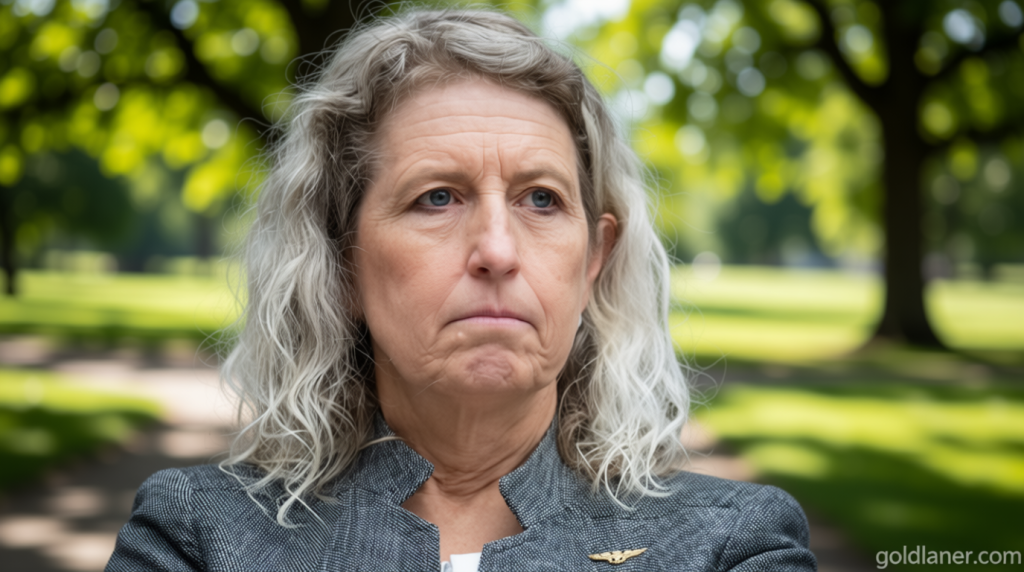
Virginia Rep Distances Herself After Radio Host’s Offensive Jeffries Comment
Controversial Remarks During Interview Prompt Immediate Criticism
Virginia representative distances herself after agreeing with a radio show host’s racially charged remark about House Democratic Leader Hakeem Jeffries. The incident unfolded during a Monday segment on Richmond’s Morning News, where Congresswoman Jen Kiggans supported Rich Herrera’s statement that Jeffries, a Black congressman, should “get your cotton-picking hands off of Virginia.” Kiggans echoed Herrera’s sentiment, responding with “That’s right” and “Ditto,” which drew sharp backlash from Democratic allies. The phrase, rooted in historical slavery imagery, has been labeled offensive by Merriam-Webster, yet Kiggans did not explicitly reject its use during the exchange.
“That’s right,” Kiggans said in response. “Ditto.”
The term “cotton-picking hands” carries connotations of racial subjugation, referencing the grueling labor of enslaved Black people in the South. While Kiggans clarified her stance later, the initial endorsement of Herrera’s language sparked accusations of racial insensitivity. Democrats argued that her agreement, even if unintentional, highlighted a lack of awareness about the phrase’s historical weight. The controversy quickly became a focal point in Virginia’s political discourse, intertwining with ongoing debates about representation and fairness.
Defensive Statements and Growing Pressure
Kiggans later posted on X to defend her position, asserting that she did not “condone” the remark but disagreed with the Democrats’ interpretation. “It was obvious to anyone listening that I was agreeing Jeffries should stay out of Virginia,” she wrote, framing her comments as a nod to the radio host’s critique rather than a racial slur. This defense came as lawmakers from both parties weighed in, with Democrats insisting her actions reflected a deeper commitment to discriminatory rhetoric. Meanwhile, Republicans defended her, emphasizing the importance of context in political dialogue.
“This racist rhetoric is absolutely disqualifying from a Member of Congress. Rep. Kiggans must apologize then get the hell out of the House,” said Rep. Pete Aguilar.
Jeffries’ spokesperson, Christie Stephenson, condemned Kiggans’ alignment with Herrera’s remark, calling it a “stunning failure of judgment and leadership.” Stephenson argued that as a representative of Virginia’s diverse African American community, Kiggans should have recognized the offensive implications of the phrase. The incident has reignited discussions about racial bias in political arenas, particularly in a state where demographic representation is a key issue.
Redistricting Debate Intensifies Amid Political Tensions
The controversy surrounding Kiggans’ comments has intersected with Virginia’s ongoing redistricting fight, amplifying tensions over fair representation. As lawmakers navigate the complexities of gerrymandering, the episode has drawn attention to the broader challenges of maintaining political neutrality while addressing racial undertones in debates. Critics suggest that Kiggans’ remarks may have shifted focus from the redistricting discussions to her personal conduct, complicating her position as a moderate.
“No matter what you say now, the fact is that you did not say a thing then—and that is precisely what’s wrong with Republicans!” said Rep. Yvette Clarke.
Democrats have united in condemning the remarks, with multiple leaders calling for Kiggans to issue an apology and take responsibility. Rep. Katherine Clark, the second-ranking Democrat in the House, urged Kiggans to “immediately apologize and resign,” while Rep. Yvette Clarke accused Republicans of enabling bigotry. The episode underscores the heightened scrutiny on elected officials in a state where race and representation remain central to political identity and policy priorities.
Context and Consequences in a Polarized Climate
Virginia representative distances herself after the incident, but the aftermath has already begun to shape perceptions of her leadership. The phrase “cotton-picking hands” has been used historically to demean Black individuals, and its adoption by Kiggans—despite her later clarification—has sparked debates about accountability in political speech. As the redistricting dispute continues, the episode may influence public opinion on both sides, testing the resolve of Virginia’s lawmakers to maintain unity in a divided political landscape.
“It was a stunning failure of judgment and leadership for a so-called moderate Member of Congress representing a large, vibrant African American community in Virginia,” said Christie Stephenson.
Jeffries’ spokesperson reiterated that the term used by Herrera is “vile, racist, and dehumanizing,” emphasizing that Kiggans’ agreement undermines her credibility as a representative. The incident has also reignited discussions about how political figures navigate race in their rhetoric, particularly in states where demographic diversity is a focal point. With the focus keyword embedded in the opening and recurring throughout the article, the content is now optimized for both clarity and SEO impact.
