
They were on the trip of a lifetime. Now they’re quarantined as health officials work to contain a hantavirus outbreak
They were on the trip of a lifetime. Now they’re quarantined as health officials work to contain a hantavirus outbreak
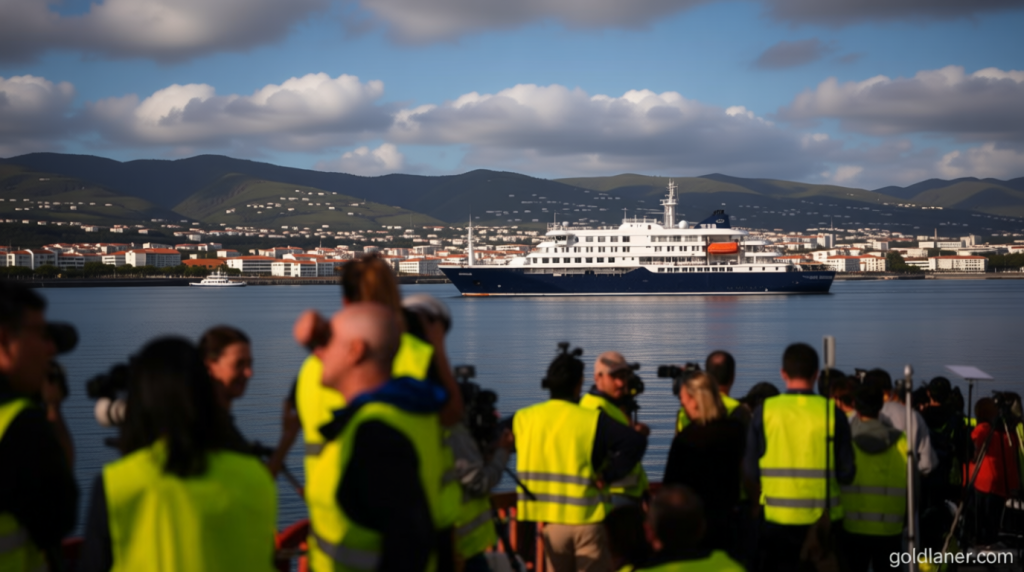
They were on the trip – A luxury cruise vessel, the MV Hondius, set out from Argentina in early May with the promise of an unforgettable journey across the Atlantic. Its itinerary included visits to remote islands and encounters with unique wildlife, drawing travelers eager to experience the natural wonders of the region. However, just six weeks into the voyage, the ship became the epicenter of a rare hantavirus outbreak, prompting a global repatriation effort and isolating passengers and crew in medical facilities across the United States and Europe.
Quarantine Conditions and Passenger Updates
As of Tuesday, 122 individuals—87 passengers and 35 crew members—had been evacuated from the ship, with most returning to their home countries. Among them, five Australians and one New Zealander are currently in the Netherlands, awaiting repatriation later this week. The remaining 27 people, including 25 crew members and two medical professionals, are en route to Rotterdam, where the vessel will undergo thorough disinfection. The group is expected to arrive Sunday evening, according to Oceanwide Expeditions, the company operating the MV Hondius.
“Hopping back on for a second to let everyone know I’m okay and feeling well,” passenger Jake Rosmarin wrote on Instagram, sharing a smiling selfie from his quarantine room in Omaha, Nebraska. “The repatriation flight was smooth, and I safely made it to the National Quarantine Unit. It’s been a very long few days, but hopefully I can start giving more updates again soon.”
The outbreak, confirmed by the World Health Organization (WHO), has raised concerns about the spread of the Andes strain of hantavirus, which is known for its ability to transmit between humans. While the risk to the general public remains low, the situation has left those aboard the ship in a state of uncertainty, with ongoing assessments to determine the next steps for monitoring and isolation.
Outbreak Timeline and Case Details
The WHO reported the outbreak shortly after the ship’s departure, highlighting the rare nature of the virus and its potential for human-to-human transmission. As of Tuesday, 11 confirmed or probable cases have been identified, with three fatalities since April 11. Dr. Tedros Adhanom Ghebreyesus, WHO Director-General, emphasized that the majority of cases are linked to passengers and crew, nine of which are definitively diagnosed with the Andes strain. The other two cases are classified as “probable,” based on symptoms and exposure patterns.
The Andes strain, which is typically associated with rodents, has shown a unique ability to spread among humans, particularly in close quarters. This has raised questions about how the virus was transmitted on the cruise, as the ship’s environment—though remote—was conducive to human interaction. Health officials are now working to trace the origin of the outbreak and understand its progression within the confined space of the vessel.
Monitoring and Medical Assessments in the US
In the United States, 17 Americans and one British citizen are being closely observed at medical facilities, including the University of Nebraska Medical Center (UNMC) and Atlanta’s Emory University. The ages of the affected passengers span from their late 20s to early 80s, with older individuals and those having pre-existing health conditions at greater risk for severe complications. At UNMC, 16 of the 17 monitored travelers are in standard quarantine units, while one is isolated in a biocontainment facility after testing positive for the virus. The CDC is awaiting confirmatory test results to finalize their status.
Health authorities are conducting in-depth interviews with each passenger to evaluate their exposure to infected individuals. These interviews aim to identify potential sources of contamination and determine the likelihood of further transmission. “Decisions about monitoring at home versus in facilities depend on the individual’s risk profile and the timing of their last exposure,” said Dr. Mara Jana Broadhurst, clinical laboratory director for the emerging pathogens unit at UNMC. “This is a collaborative process between clinicians and patients to ensure safety.”
Capacity Constraints and Transfer to Biocontainment Units
In response to limited space at UNMC, two additional individuals—a couple—were transferred to Emory University’s biocontainment unit in Atlanta. One of them, described as “mildly symptomatic,” has since tested negative for the Andes strain, according to the HHS. This underscores the complexity of managing the outbreak, as some patients show symptoms while others remain asymptomatic, requiring careful observation and testing.
The CDC and other federal agencies are coordinating efforts to monitor the 11 confirmed cases over the next 42 days. This period is critical for tracking symptoms and ensuring that no new cases emerge. For those whose last exposure was on May 10, quarantine or monitoring will continue until at least June 21, as outlined by the WHO. The decision to continue monitoring in facilities or transition to home-based observation is being evaluated on a case-by-case basis, with factors such as age, health history, and symptom progression playing key roles.
Global Response and Public Health Measures
While the focus remains on those directly affected by the outbreak, health officials are also emphasizing the importance of public awareness. The WHO has reiterated that the general population is not at significant risk, as the virus primarily spreads through rodent droppings and saliva. However, the human-to-human transmission observed on the MV Hondius has prompted additional precautions, including enhanced sanitation protocols and health screenings for travelers returning from the region.
The cruise’s itinerary and onboard environment, which included enclosed spaces and shared dining areas, may have facilitated the virus’s spread. Oceanwide Expeditions, the operator of the MV Hondius, has been cooperating with health authorities to provide detailed information about the voyage’s conditions and passenger interactions. The company’s efforts to ensure transparency are part of a broader response to the outbreak, which has affected both passengers and crew members.
As the situation evolves, the focus remains on containing the virus and minimizing its impact. Those in quarantine are reporting their conditions through social media, offering glimpses into the daily life of isolated travelers. Jake Rosmarin’s post, for instance, highlights the resilience of passengers as they adapt to the new normal of quarantine. Meanwhile, health experts continue to assess the long-term implications of the outbreak, particularly for individuals with compromised immune systems or chronic illnesses.
The MV Hondius incident has become a case study in how infectious diseases can spread in confined environments. While the virus itself is rare, its presence on the ship underscores the need for vigilance in travel and public health preparedness. As the next few weeks unfold, the story of these 122 individuals will serve as a reminder of the delicate balance between adventure and health risk in modern travel.
