
Tenerife port home to scenes of worry and relief as passengers depart hantavirus-hit ship
Tenerife port home to scenes of worry and relief as passengers depart hantavirus-hit ship
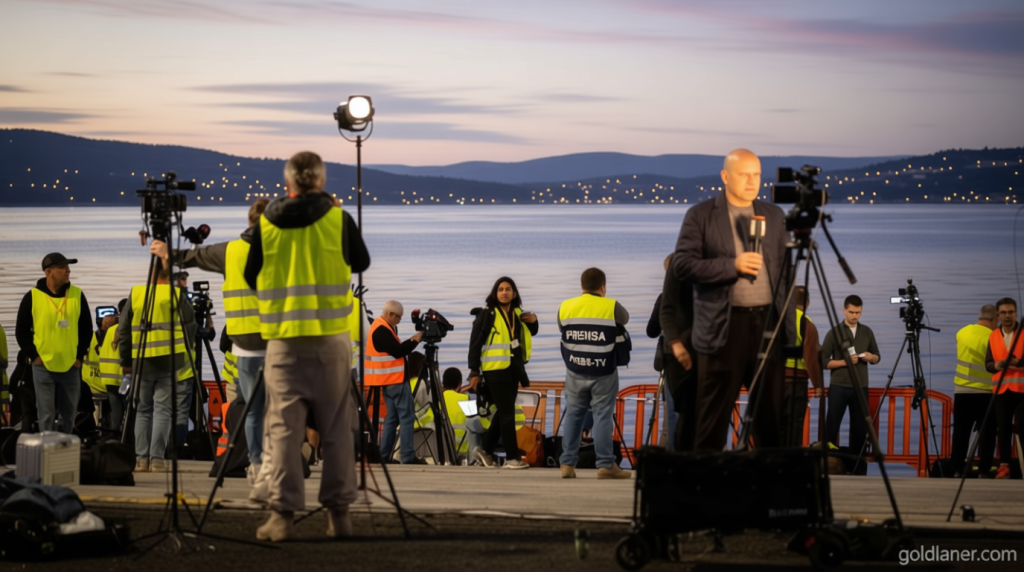
Tenerife port home to scenes of worry – At approximately 8 a.m. this morning, the MV Hondius had completed its lengthy journey across the Atlantic, and the vessel’s departure from the Port of Granadilla marked the beginning of a new phase for its passengers. The small ferry connecting the ship to the mainland has been operating continuously, transporting groups of five individuals at a time to the port, which had finally agreed to accommodate them. This process, observed by a cluster of journalists stationed nearby, unfolded as a methodical sequence of movements, with each step meticulously timed to ensure safety. The scene, though tense, carried a sense of cautious optimism as the passengers stepped onto solid ground after more than five weeks adrift and nearly ten days of apprehension since the Andes strain of hantavirus was confirmed aboard the ship.
The MV Hondius had initially set out as a luxury cruise, promising an unforgettable voyage through the penguin colonies of the Antarctic and the historic isle of St. Helena, where Napoleon spent his final years. However, the journey quickly turned into a harrowing ordeal as the virus spread among the 230 passengers, many of whom were from across Europe and beyond. The ship’s arrival in Tenerife, part of the Canary Islands, had been met with both relief and concern. Spanish health officials had assured the public that the disembarking process would be tightly controlled, with only military and medical personnel overseeing the transfer to ensure no further spread of the illness. This promise has so far held true, as the passengers are now being processed under strict guidelines, a stark contrast to the chaos of earlier pandemic days.
The port of Granadilla, situated on the southernmost tip of Tenerife, has become a microcosm of collective anxiety and cautious hope. From a vantage point near the docks, the tent where passengers are greeted by personnel in full hazmat suits was clearly visible. The scene evoked memories of the pandemic, with the same level of precautions and protocol seen in the early days of lockdowns. Yet, the virus in question is not the same as the one that gripped the world six years ago. As the passengers disembarked, they were greeted by a team of experts, their faces masked and hands gloved, moving with precision to minimize risk.
WHO director acknowledges lingering fears
“The fear that is natural for all of us, six years on from the start of the pandemic, is understandable,” said Dr. Tedros Adhanom Ghebreyesus, the World Health Organization’s director general, in a message to the people of Tenerife on Saturday. “But this is not that. We are learning how this strain of hantavirus behaves, and the measures we’ve taken are based on the latest evidence.”
Dr. Tedros emphasized that the current situation, while serious, is distinct from the global crisis of 2020. The WHO has been closely monitoring the outbreak since its inception, conducting studies to understand the transmission dynamics of the Andes strain. One epidemiologist stationed at the port on Sunday told CNN that the virus appears to spread primarily through direct contact with symptomatic individuals, rather than the airborne transmission seen with SARS-CoV-2. This distinction has allowed health officials to implement targeted protocols, rather than the broad restrictions of previous years.
The presence of over 100 journalists at the port underscored the gravity of the situation. Their cameras and microphones captured the emotional moments of passengers who had spent weeks in isolation, their faces a mix of exhaustion and relief. The crowd included reporters from American networks, as well as those fluent in multiple European languages, reflecting the international nature of the crisis. Each person present seemed to carry a story of survival, with some passengers describing the anxiety of waiting for news, others recounting the surreal experience of being confined to a ship for nearly a month.
As the passengers arrived at the port, they were greeted by medical staff who conducted rapid health checks before allowing them to step onto the mainland. The process was designed to be as transparent as possible, with media access close to the action to document every detail. For the journalists covering the event, the sight of passengers finally disembarking was both a relief and a reminder of the challenges ahead. The emotional weight of the moment was palpable, with families hugging, passengers exchanging quiet words, and crews working tirelessly to maintain order.
The MV Hondius had not only been a vessel for travel but also a makeshift hospital for those infected. The ship’s itinerary had been altered multiple times, with some passengers confined to their cabins and others assigned to dedicated quarantine zones. Despite these adjustments, the fear of the unknown had persisted, fueling rumors and concerns about the virus’s severity. Now, with the ship docked and the passengers disembarking, the focus has shifted to the next steps in their recovery. Quarantine measures, though still in place, offer a sense of normalcy after weeks of uncertainty.
While the passengers are now on land, the battle against hantavirus is far from over. Health authorities have warned that quarantine and isolation periods of at least six weeks are necessary to prevent further spread. This requirement, though stringent, is seen as a necessary precaution in a time when the virus remains a threat. The port of Granadilla, with its long lines and cautious procedures, has become a symbol of resilience. For many, the return to solid ground represents the end of one chapter and the beginning of another, filled with the hope of a quicker return to everyday life.
The success of the disembarking process has also highlighted the importance of international cooperation in managing health crises. Spanish officials have worked closely with global health agencies to ensure that the protocols in place are both effective and reassuring. The media’s presence has played a crucial role in keeping the public informed, with their reports providing real-time updates on the ship’s status and the passengers’ experiences. This transparency, combined with the careful coordination of the health team, has helped to ease some of the tension that had built up over the past weeks.
As the sun rose over Tenerife, the port buzzed with activity, a far cry from the eerie silence that had once characterized the MV Hondius. The passengers, now stepping into the light, carried with them the stories of a journey that had tested their endurance and patience. For the families and friends waiting on the shore, the sight of their loved ones returning was a moment of profound relief. Yet, the path ahead remains uncertain, and the six weeks of isolation are expected to be as demanding as the weeks at sea. The event at Granadilla, though a significant milestone, is just one part of a broader effort to contain the outbreak and restore a sense of security to the region.
The MV Hondius’s story is now part of the broader narrative of how health crises unfold in modern times. Unlike the pandemic that reshaped global travel and daily routines, this hantavirus outbreak has highlighted the adaptability of public health systems and the role of international collaboration. While the virus may not have the same level of transmissibility as SARS-CoV-2, its impact on the passengers’ lives has been undeniable. The port of Granadilla, once a quiet spot, has become a hub of activity, with health officials, media, and families all playing a part in the ongoing response. The scenes of both worry and relief that have unfolded here serve as a testament to human resilience in the face of adversity.
