
F15 Pilot: The Thrill of Flying the Iconic Fighter Jet
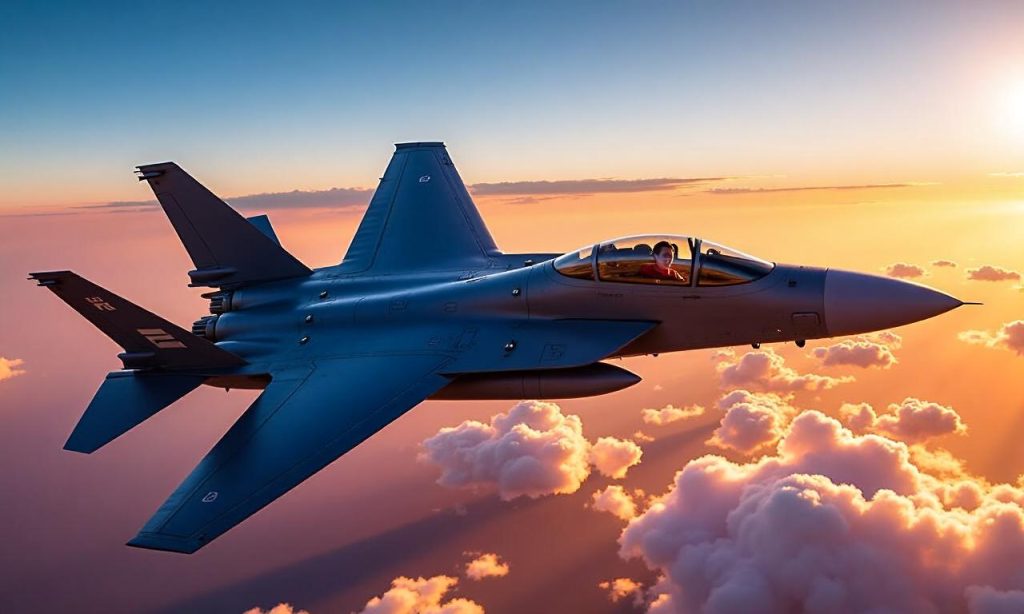
Being an F15 pilot is more than just flying a powerful aircraft—it’s about mastering the art of aerial dominance, precision, and speed. The F15 has long been a symbol of military aviation excellence, and those who become F15 pilots experience a unique blend of technical skill, mental sharpness, and adrenaline-fueled thrill. Whether in combat or training, the role demands both physical and emotional resilience, making it one of the most respected and challenging careers in aviation. For those drawn to the skies, becoming an F15 pilot is a dream that combines heroism, responsibility, and an unbreakable bond with the machine they control. This article explores the life of an F15 pilot, from the intense training required to the exhilarating moments in the cockpit, and how this profession has shaped modern air warfare.
The Path to Becoming an F15 Pilot
The journey to becoming an F15 pilot begins with a rigorous selection process. Prospective candidates must first pass a series of physical, mental, and academic assessments to ensure they meet the high standards of the Air Force. Once selected, they undergo foundational flight training, which includes learning to operate various aircraft before specializing in the F15. This training emphasizes not only technical proficiency but also the ability to make split-second decisions under pressure, a crucial skill for an F15 pilot operating in high-stakes scenarios.
After completing basic training, aspiring F15 pilots enter advanced courses focused on fighter jet operations. These programs teach them to navigate complex systems, perform high-speed maneuvers, and execute precision strikes. The transition from pilot training to operational duty is marked by a demanding selection process that tests both physical endurance and mental acuity. Once certified, an F15 pilot is ready to take on missions that range from routine patrols to high-intensity combat. The training ensures they are prepared to handle the unique challenges of flying one of the world’s most iconic fighters.
The Unmatched Performance of the F15 Fighter Jet
The F15 is renowned for its exceptional speed, agility, and reliability, which are why F15 pilots are often at the forefront of air superiority missions. With a top speed of over 1,500 miles per hour and the ability to carry a wide array of weapons, the F15 is a versatile aircraft that has been used in numerous conflicts since its introduction in the 1970s. The aircraft’s design allows for rapid acceleration and tight turns, making it ideal for dogfighting. For an F15 pilot, these capabilities translate into a sense of control and confidence, even in the most unpredictable combat environments.
Beyond its combat prowess, the F15 is also a testament to engineering innovation. Its twin-engine configuration, advanced avionics, and powerful thrust-to-weight ratio make it a reliable workhorse. This reliability is vital for an F15 pilot, who must rely on the aircraft’s performance during critical operations. The F15 has also been continuously upgraded over the years, ensuring it remains a key asset in modern warfare. Its ability to adapt to new threats and technologies means that F15 pilots are always learning and evolving alongside their aircraft.
The Thrill of Combat Missions
For an F15 pilot, combat missions are the ultimate test of their training and skills. The adrenaline rush of engaging in aerial combat, the precision required during strikes, and the camaraderie with crew members create an unforgettable experience. The cockpit becomes a high-pressure environment where every decision can mean the difference between success and failure. Pilots often describe the moment they spot a target or engage in a dogfight as one of the most exhilarating parts of their job.
The F15’s ability to outmaneuver enemy aircraft gives F15 pilots a unique advantage in the skies. During missions, they must constantly monitor radar, communicate with ground control, and adjust tactics in real time. The satisfaction of completing a mission successfully and returning to base is a rewarding feeling for any F15 pilot. Whether it’s a routine patrol or a high-intensity dogfight, the F15 delivers the performance needed to meet the demands of modern air warfare.
Life Behind the Cockpit: Challenges and Rewards
Life as an F15 pilot is a blend of intense focus and high-energy action. The daily routine often includes pre-flight checks, mission planning, and coordinating with other units, followed by the exhilaration of takeoff and flight. The physical demands of the job are significant, as pilots must endure high G-forces during maneuvers and maintain peak fitness to handle the stresses of combat. The mental strain is equally challenging, requiring sharp decision-making and the ability to stay calm under pressure.
Despite these challenges, the rewards of being an F15 pilot are immense. The satisfaction of mastering the aircraft, the thrill of aerial combat, and the pride of contributing to national defense create a deep sense of fulfillment. Pilots also enjoy the camaraderie of working with fellow airmen and the pride that comes from operating one of the most advanced fighter jets in the world. The experience of flying the F15 is not just a job—it’s a lifelong passion that many F15 pilots carry with them long after their service ends.
The Evolution of the F15 Pilot Profession
The role of an F15 pilot has evolved significantly since the aircraft’s inception. Originally designed for air superiority, the F15 has been adapted for a variety of missions, including ground attack, reconnaissance, and even electronic warfare. This versatility has expanded the scope of what an F15 pilot can do, requiring them to be trained in multiple disciplines. The integration of advanced technology, such as the APG-63 radar system and the ability to carry precision-guided missiles, has also changed the way F15 pilots approach their duties.
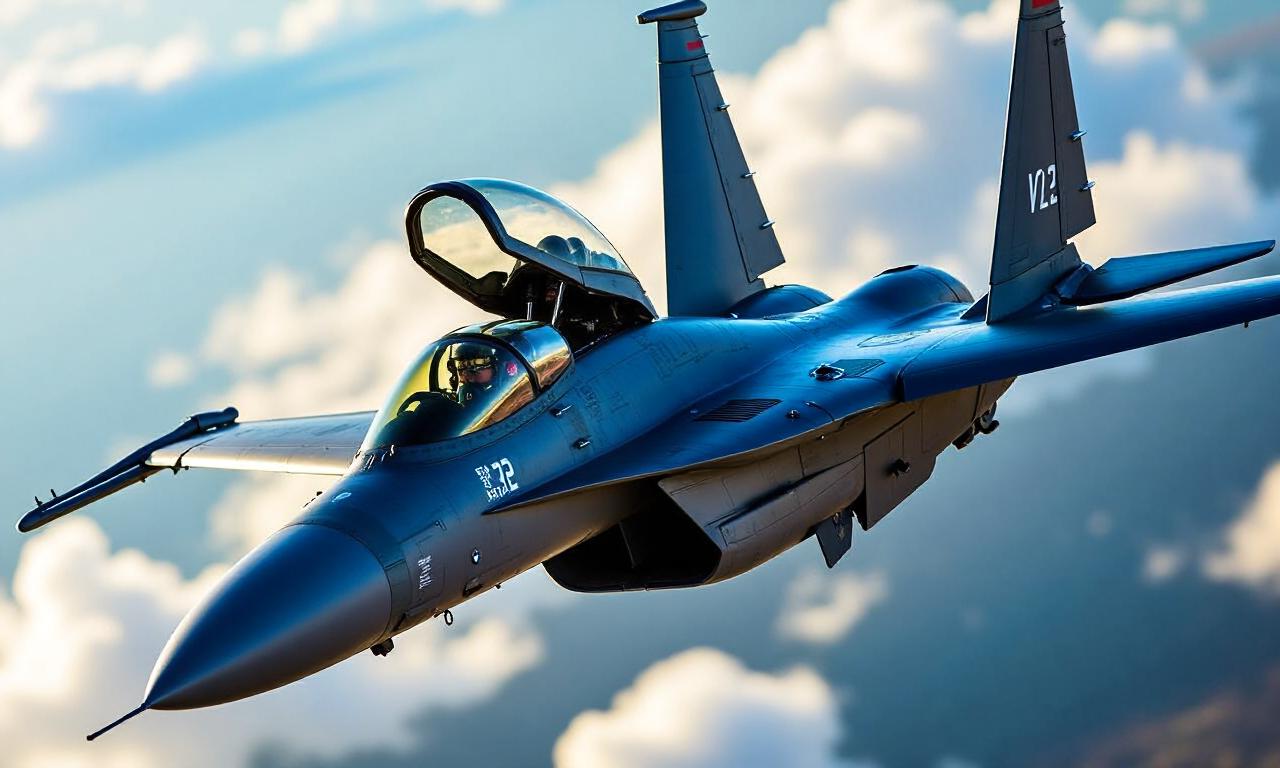
Training for an F15 pilot now includes not just flying the aircraft but also understanding its systems and how to leverage them in different scenarios. The modern F15 pilot must be adaptable, capable of transitioning between roles and responding to new threats with minimal time. This evolution has made the profession more complex, but also more rewarding. The ability to stay at the cutting edge of aviation technology ensures that F15 pilots remain indispensable to their countries’ defense strategies.
The Legacy of the F15 Pilot in Military Aviation
The legacy of the F15 pilot is deeply embedded in the history of military aviation. Since its introduction, the F15 has been a cornerstone of air superiority, with many F15 pilots becoming legendary for their skills and courage. The aircraft’s reputation for reliability and performance has made it a favorite among pilots and a trusted asset for military planners.
Beyond its operational success, the F15 pilot has also inspired generations of aviators. The experience of flying this iconic jet has been shared through stories, videos, and firsthand accounts, creating a sense of pride and admiration. The F15’s long service record and adaptability have cemented its place in aviation history, and those who pilot it continue to uphold its legacy with dedication and skill.
FAQ Q: What is the training process like for an F15 pilot? A: Aspiring F15 pilots undergo years of training, including basic flight school, advanced fighter training, and specialized courses to master the aircraft’s systems and combat techniques.
Q: How does an F15 pilot handle emergencies during flight? A: F15 pilots are trained to remain calm and make quick decisions, using the aircraft’s robust design and advanced avionics to navigate emergencies with precision.
Q: What are the daily responsibilities of an F15 pilot? A: An F15 pilot typically spends mornings preparing for missions, conducting pre-flight checks, and coordinating with ground teams, followed by the high-energy experience of flight and post-mission debriefings.
Q: How has the F15 evolved over time to support its pilots? A: The F15 has undergone continuous upgrades, such as improved radar systems and enhanced weaponry, which have expanded the capabilities of F15 pilots and their mission versatility.
Q: Is the role of an F15 pilot considered high-risk? A: Yes, F15 pilots face high-risk scenarios, especially during combat missions, where they must operate in hostile environments and respond to rapidly changing threats with split-second accuracy.
