
WHO warns of health crisis ‘unfolding in real time’ across Middle East
WHO Warns of Health Crisis ‘Unfolding in Real Time’ Across Middle East
Dr. Hanan Balkhy, the World Health Organization’s regional director for the Eastern Mediterranean, has sounded the alarm over a ‘health crisis unfolding in real time’ across the Middle East, calling for an immediate cessation of hostilities. She stressed that hospitals and healthcare centers must be designated as safe zones to prevent further damage. The region’s 22 countries and territories span from Iran and Gulf nations to Gaza, Sudan, Afghanistan, and Pakistan, all facing escalating threats to their medical infrastructure.
The US-Israel conflict with Iran has already claimed over 1,000 lives in Lebanon, more than 1,500 in Iran, and 16 in Israel, according to each nation’s official reports. Additional casualties have been recorded in the West Bank and Gulf Arab states. Balkhy noted that the disruption of chronic disease care is growing, citing the forced displacement of 3.2 million people in Iran and over a million in Lebanon within a month.
“The situation has been quite difficult for some time, but what we’re seeing today is just an actual regional health crisis unfolding in real time in multiple parts of this region,” Balkhy said. “It’s not just about lives being lost. It’s about a collapse of access in many, many dimensions way above and beyond what we would have imagined.”
Balkhy warned that the effects of ongoing conflicts would linger long after open warfare ended, particularly in maternal health, mental well-being, and children’s education. She emphasized concerns over nuclear sites, stating that strikes on these facilities, whether deliberate or accidental, could have devastating health consequences. The Bushehr nuclear power plant in Iran, for instance, was hit twice recently, including on Tuesday night, which has heightened her urgency to prepare for possible fallout.
Attackers targeting water desalination plants, Balkhy said, would trigger a disaster, leaving Gulf populations without critical water supplies. She highlighted the risk of contamination from oil or nuclear facilities seeping into groundwater through rainfall, even if alternative water sources remain available. “We are seeing this unfolding in a very dangerous way,” she remarked, “and the only solution for us at this moment is for a significant de-escalation or a pause – and hopefully a permanent pause – in this escalation of the war.”
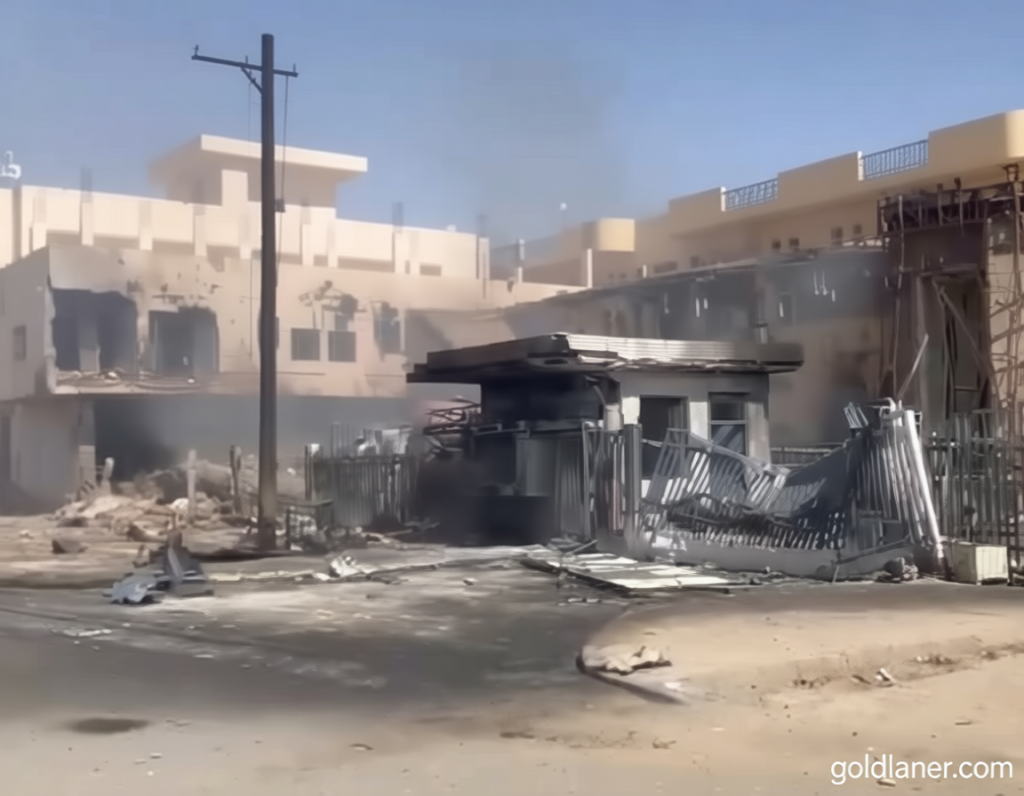
The WHO has confirmed dozens of assaults on healthcare facilities in Lebanon, Iran, and Israel since the conflict began. A recent strike on El-Daein teaching hospital in East Darfur, Sudan, killed at least 70 individuals, including 13 children, two nurses, and a doctor, leaving the hospital nonfunctional. Balkhy noted that hospitals are no longer perceived as secure, with people now fearing they could be bombed, unlike in the past.
She urged global attention to the crises in Gaza, Sudan, and Yemen, which are being overshadowed by the US-Iran conflict. “It is very distressing because, behind that neglect, there’s a lot of hardship and death and sickness and illness and displacement that is going unrecognised,” she added. The focus on the US-Iran war, she argued, risks ignoring the broader humanitarian impact across the region.
Balkhy also emphasized the importance of protecting healthcare workers and patients, urging a commitment to safeguarding the sector. “Let’s secure the healthcare sector. Let’s not attack hospitals, health workers, and healthcare facilities and patients,” she said. “We need to ensure they have a safe haven.”
