
In Iran, hope gives way to fear as conflict rages on
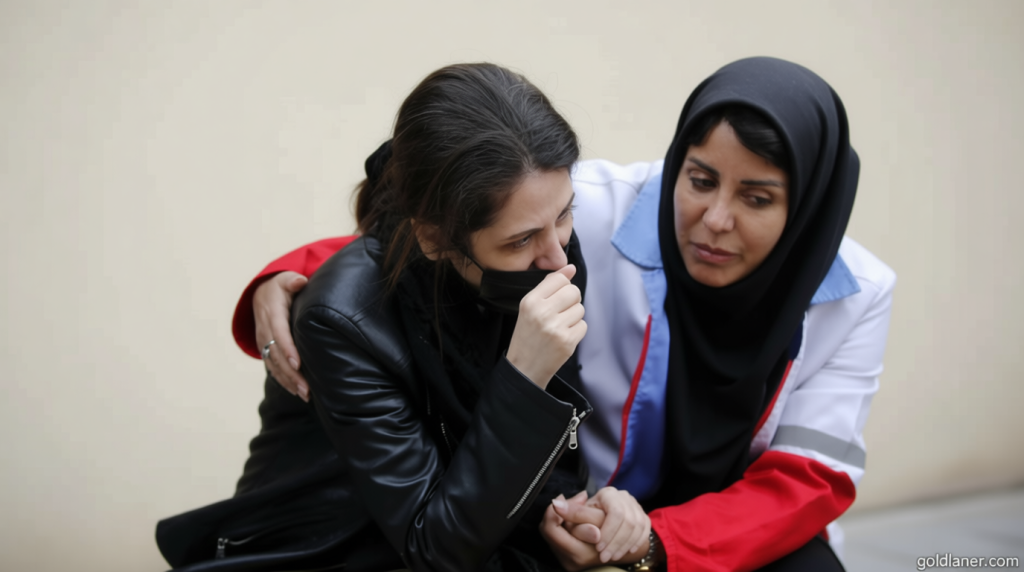
In Iran, hope gives way to fear as conflict rages on
A month into the US-Israeli campaign against Iran, the optimism surrounding regime collapse has dimmed. As the strikes continued, many Iranians who once saw the attacks as a catalyst for change found their expectations overshadowed by persistent uncertainty. DW spoke with residents about the evolving sentiment, noting how the Islamic Republic’s survival has eroded initial hopes.
At the outset, some believed the foreign military pressure might crack the regime’s hold, creating space for public dissent. US President Donald Trump had once encouraged Iranians to seize control of their government, warning that the opportunity for regime change might not come again for generations. Yet, as the conflict stretched into its fourth week, the focus shifted from overthrowing the regime to enduring its consequences.
Burned buildings and smoke-filled skies have replaced the early optimism. A Tehran resident, speaking under anonymity, described the psychological shift:
“Despite widespread destruction, the government remains intact, leading many to question their earlier assumptions about the conflict’s outcome.”
The fear now centers on the war’s duration and the toll on civilians, with daily life growing more precarious as attacks spread across the country.
The attack on a girls’ school in Minab symbolized this transformation, marking a turning point where the regime’s resilience became a source of anxiety. Even as workers ventured out, the risk of air strikes lingered.
“The government is still insisting that employees be physically present at work, even though, in the eyes of many people, nowhere feels safe and no one wants to go to the workplace,”
the resident explained. Absence from work could be interpreted as defiance, adding pressure to already strained citizens.
Uncertainty about the war’s future is intensifying. Many worry that if the Islamic Republic endures this phase, it may emerge unchanged, burdened by new challenges: damaged infrastructure, economic hardship, and a government poised to tighten its grip. Babak Dorbeiki, a former deputy at Iran’s Strategic Research Center, highlighted the ambiguity of the war’s purpose.
“Israel, unlike the United States, is seeking collapse. It therefore appears that Trump’s and Netanyahu’s objectives are different. As a result, it remains unclear what the outcome of the war will be,”
Dorbeiki told DW.
With the conflict showing no signs of abating, the psychological strain on Iranians deepens. The fear is no longer about the regime’s survival but about the cost of its continued rule, as lives and livelihoods are shaped by the relentless war.
