
The BBC’s best thriller has never been stronger – it’s being let down
The BBC’s best thriller has never been stronger – it’s being let down
Recently, I’ve been inundated with questions about what I’m watching these days, and for the past three weeks, my answer has been
“The Capture – it’s absolutely brilliant!”
I’ve shared my excitement with friends, family, and anyone who would listen, assuming they’d share my enthusiasm. But the response has been quieter than expected.
When The Capture debuted in 2019, it was a slow-burning triumph, drawing over five million viewers for its first series – a rare achievement for a new crime drama. It also catapulted Callum Turner into the spotlight, earning him a BAFTA nomination for his portrayal of the enigmatic detective. Yet, despite its quality, it hasn’t captured the same cultural attention as it deserved.
The show’s premise is chillingly realistic: a world where digital evidence can be altered so convincingly that truth becomes a fragile concept. Seven years ago, this idea seemed far-fetched, dismissed by some as sci-fi fantasy. Now, with deepfakes saturating platforms from TikTok to political arenas, the show’s vision feels eerily prescient.
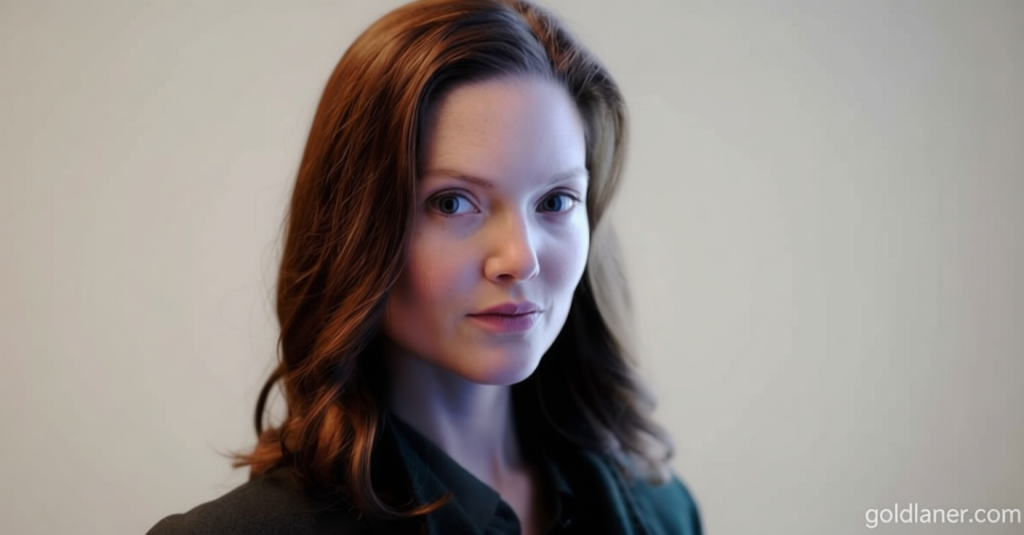
Currently in its third series, The Capture is at its peak, delivering a narrative that’s both intricate and timely. The latest episode saw Detective Rachel Carey, portrayed by Holliday Grainger, witness a murder, only for the suspect she identified to later become her own colleague. This twist left me disoriented, a rare experience for a thriller fan. The series’ ability to keep viewers on edge has never been more potent.
However, its success has been muted. The first episode of the new series attracted just 1.84 million viewers on its debut, well below the 16 million average for a Line of Duty episode in 2021. While streaming on iPlayer will likely boost numbers, the show’s lack of a simultaneous live audience has limited its buzz. The BBC’s strategy of dropping episodes early on iPlayer, rather than holding them for a shared viewing experience, has diluted its impact.
Similar issues have plagued other BBC projects. Earlier this year, Lord of the Flies – adapted by Jack Thorne – was hailed as a triumph, yet its episodes released quietly on iPlayer without the same promotional push. The Capture deserves the same spotlight, its relevance to today’s digital age making it a must-watch. It should dominate public discourse, spark debates, and claim its place among the BBC’s most acclaimed thrillers.
