
Syria walks back Damascus alcohol ban after outcry from residents
Syria walks back Damascus alcohol ban after outcry from residents
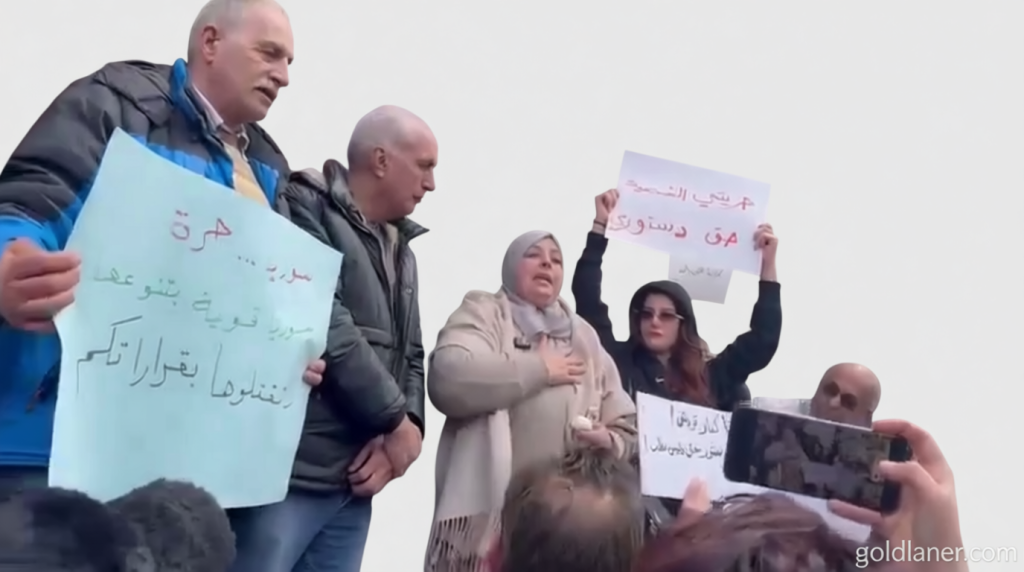
Following public backlash, Damascus authorities announced a reversal of a recent decision to ban alcohol sales in restaurants and nightclubs. The initial order, issued on Monday, had targeted the entire city except for three Christian neighborhoods—Bab Touma, Qassaa, and Bab Sharqi—sparking protests and accusations of sectarian bias.
The clarification released on Sunday stated that the ban would not apply to areas designated for tourism, including hotels and certain commercial venues. This adjustment aimed to address concerns raised by locals, who argued the policy was inconsistent with public morals and unfairly focused on specific communities.
“The Damascus Governorate apologises to our people in Bab Touma, Qassaa, and Bab Sharqi for the misunderstanding that arose from the decision, which was circulated inappropriately,” the statement read.
The revised policy also emphasized the cultural significance of these neighborhoods, calling them “iconic” to Damascus’s identity. Officials pledged to review the restrictions to ensure they did not alienate any religious or ethnic group.
Government’s Approach to Social Restrictions
Since taking power in December 2024, the transitional government under President Ahmed al-Sharaa has generally avoided imposing strict social rules. However, recent measures—such as a January prohibition on female public sector workers wearing makeup and mandatory full-body swimsuits on public beaches—have raised questions about shifting priorities.
While most Syrians are conservative Sunni Muslims who avoid alcohol for religious reasons, secular Sunnis and minority groups view the ban as a threat to personal freedoms. This tension came to a head when residents of Bab Touma protested, highlighting grievances beyond alcohol restrictions.
Reactions from Christian Communities
Christian Syrians expressed concerns that the initial ban singled out their neighborhoods, framing it as discriminatory. A joint statement from community representatives warned that such policies risk making Christian areas vulnerable to attacks, citing historical instances of targeting.
“Restricting alcohol sales to predominantly Christian areas could expose these neighborhoods to additional risks, necessitating a reconsideration that reflects equal public safety for all Syrians,” the letter stated.
The government’s decision to prioritize tourism exceptions and apologize to Christians signals a balancing act between cultural preservation and inclusivity. Yet, critics argue these changes may signal a broader trend toward social control.
Political Context and Electoral Process
In October, the transitional government conducted parliamentary elections, with Sharaa appointing a third of the seats while local committees selected the rest. This process left Sweida province, which is majority Druze, and the Kurdish-held northeast without representation, drawing criticism from pro-democracy advocates.
Under the March-announced temporary constitution, parliament holds legislative authority until a permanent framework is adopted. The interim authorities claim popular elections are impractical post-war, citing the devastation of 13 years of conflict that killed hundreds of thousands and displaced millions.
