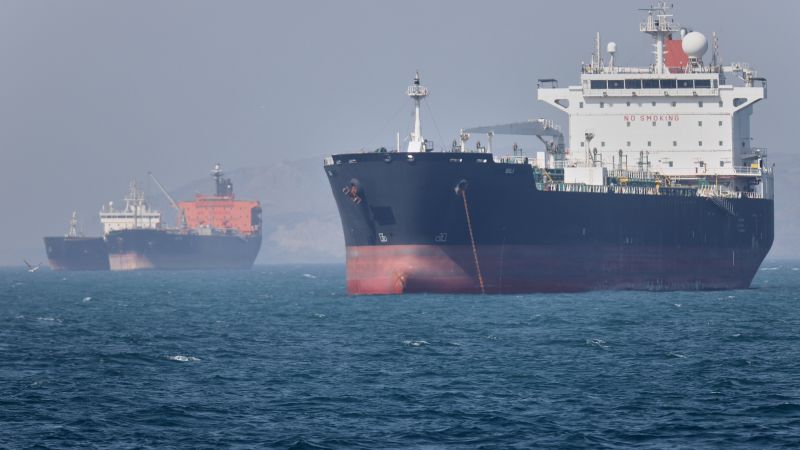
Oil surges and stock futures sink as war in Iran threatens crude supply

Oil surges and stock futures sink as war in Iran threatens crude supply
Monday saw oil futures rise sharply following US and Israeli strikes on Iran over the weekend, intensifying tensions across the Middle East. US crude climbed 7.5%, while Brent crude, the global benchmark, surged 6.2% to near $77 per barrel, briefly crossing $82 earlier in the session. This uptick was anticipated as markets braced for potential disruption in the region.
Meanwhile, stock futures declined. The S&P 500, Nasdaq, and Dow all dipped over 1% in pre-market trading. However, shares of Exxon and Chevron rose, reflecting the usual benefit to energy firms from elevated oil prices. Defense stocks, such as Northrop Grumman and Lockheed Martin, also gained traction.
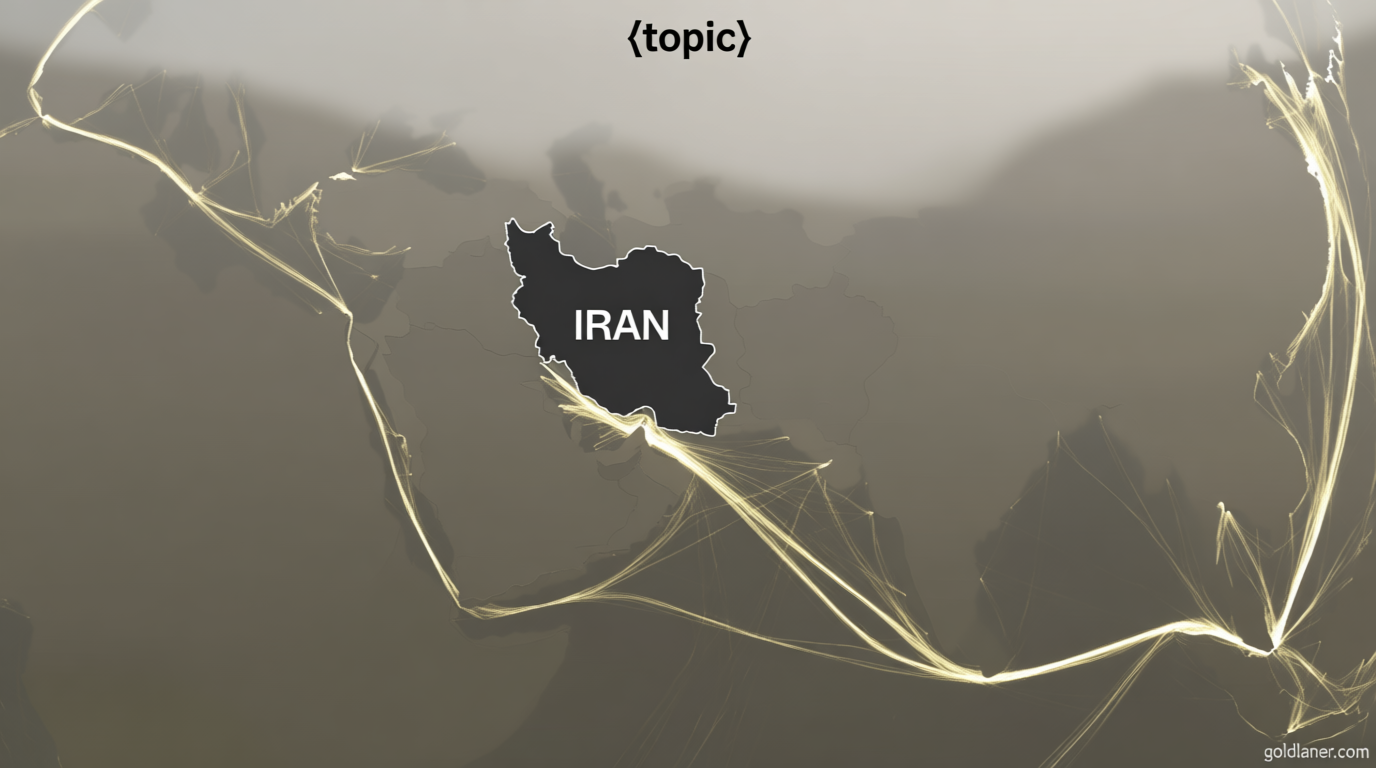
Visualizing the US-Israeli attack on Iran and retaliation in maps and charts
Traders are wagering that the current oil market turbulence from the strikes will be short-lived. Yet, uncertainty lingers about the conflict’s duration, with US President Donald Trump hinting it could stretch for weeks. Analysts warn of scenarios that might push crude prices beyond $100 per barrel, including large-scale unrest, a power vacuum, or a prolonged shutdown of key shipping routes.
“Elevated global benchmark prices… are expected to be sustained until the Strait is passable,” wrote Jorge Leon, Rystad Energy’s head of geopolitical analysis.
The Strait of Hormuz, a narrow waterway off Iran’s southern coast, serves as a critical artery for crude exports from Saudi Arabia and Kuwait. Iran controls the northern section, and the strait moves roughly 20 million barrels daily—about one-fifth of the world’s total output. This route is vital, and its closure could ripple through global markets.
Asian economies like China and India might face heightened exposure if the strait were blocked. Their efforts to secure oil from alternative sources could drive prices higher. Even a less severe situation, such as disruptions to Iranian shipments, would impact global markets due to oil’s fungible nature.
“A loss of Iranian barrels would cause China to bid for substitute supplies,” noted Clayton Seigle, a senior fellow at the Center for Strategic and International Relations.
Experts highlight the fragility of the oil supply chain. Bob McNally, president of Rapidan Energy Group, warned that damage to Saudi Arabia’s Abqaiq plant—a facility struck in 2019—could have long-term consequences. The plant’s specialized equipment, he explained, “you can’t just order from General Electric.” On Monday, Saudi Arabia reported partial shutdowns at some units, adding to concerns.