
Benfica vs Real Madrid: Clash of Football Powerhouses
The Benfica – Real Madrid clash is more than just a football match—it’s a collision of Benfica and Real Madrid, two of the most storied clubs in European football. This rivalry has captivated fans for decades, blending history, passion, and competition in a way that few other derbies can match. Whether it’s the fierce battles in the UEFA Champions League or high-stakes encounters in domestic leagues, Benfica and Real Madrid have consistently delivered moments that define the sport. From the early days of their first meeting in the 1950s to their modern-day showdowns in Europe, this rivalry has grown into a symbol of football’s enduring power. The stakes are always high when these two giants face off, as their matchups often determine not just the outcome of a single game, but the legacy of their respective clubs. With Benfica representing Portuguese football and Real Madrid embodying Spanish dominance, the contrast between their histories and cultures adds another layer of intrigue to their matches. This article delves into the history, key moments, and significance of the Benfica – Real Madrid rivalry, exploring why it continues to be a highlight of the global football calendar.
Historical Context
The rivalry between Benfica and Real Madrid traces its roots back to the early 20th century, when both clubs emerged as titans of their respective countries. Benfica, founded in 1904, quickly became the dominant force in Portuguese football, while Real Madrid established itself as a Spanish powerhouse in the 1920s and 1930s. Their first meeting came in the 1950s, during a time when Benfica was riding high on its success in the European Cup, having won it in 1961. Meanwhile, Real Madrid was building its own legacy, with a roster that included legends like Alfredo Di Stéfano and Ferenc Puskás. The initial encounters were marked by a sense of mutual respect, but as both teams grew in stature, so did the intensity of their rivalry.
The Birth of a Rivalry
The first Benfica – Real Madrid match took place in 1953, with Benfica emerging victorious in a tightly contested encounter. This early success set the stage for future clashes, as both clubs began to see each other not just as opponents, but as rivals in a broader European context. Over the years, the frequency of their meetings increased, particularly in European competitions like the UEFA Champions League. The 1960s and 1970s saw Benfica dominate, with a string of victories that solidified their reputation as a formidable team. However, Real Madrid would eventually respond with its own era of dominance, creating a dynamic and enduring rivalry.
The Evolution of the Clash
As the 20th century progressed, the Benfica – Real Madrid rivalry evolved into one of the most intense in European football. The 1980s and 1990s brought a new generation of players, with Benfica relying on its traditional style of play, while Real Madrid embraced modern tactics and star power. The 1990s were particularly significant, as Real Madrid began to dominate European football with its Benfica – Real Madrid clashes becoming more frequent. This period also saw the rise of iconic players like Raúl and Zidane, who would later become legends in the game.
Key Matches and Memorable Moments
Throughout their history, the Benfica – Real Madrid rivalry has produced some of the most iconic moments in football. These matches are not just about the outcome; they are about the drama, the skill, and the emotions that come with the clash of two titans. One of the most memorable Benfica – Real Madrid encounters took place in the 2003-04 UEFA Champions League, where both teams met in the Round of 16. The match was a spectacle, with Benfica showcasing their attacking flair and Real Madrid demonstrating their tactical precision.
The 2003-04 Champions League Drama
The Benfica – Real Madrid match in 2003-04 is often cited as one of the greatest in European football history. Benfica, led by coach Vítor Malhães, had a remarkable run in the competition, defeating Real Madrid in the Round of 16 with a 3-2 victory at home. The game was a thrilling back-and-forth affair, with Real Madrid coming back from a 2-0 deficit in the second leg. The first leg at Estádio da Luz saw Benfica dominate, with goals from Pedro Proenca and Manucho, but Real Madrid fought back with a last-minute equalizer and a late winner in the return match at the Bernabéu. This Benfica – Real Madrid clash not only highlighted the competitive spirit between the two clubs but also demonstrated the unpredictability of football.
The 2022-23 La Liga Encounter
In recent years, the Benfica – Real Madrid rivalry has extended beyond European competitions into domestic leagues. During the 2022-23 La Liga season, Real Madrid faced Benfica in a friendly match, showcasing the global reach of these clubs. The game was a celebration of football, with both teams displaying their strengths. Benfica relied on its quick wingers and defensive solidity, while Real Madrid used its famous 4-3-3 formation and attacking prowess. The match ended in a 2-2 draw, but it was a reminder of the fierce competition between these two Benfica – Real Madrid teams.
The 2023 UEFA Champions League Showdown
The Benfica – Real Madrid rivalry reached new heights in the 2023 UEFA Champions League, where both teams met in the Round of 16. The first leg at the Estádio da Luz was a defensive battle, with Benfica holding their ground against Real Madrid’s attacking threats. The second leg at the Bernabéu was equally intense, with Real Madrid ultimately prevailing on away goals. This Benfica – Real Madrid clash was a masterclass in football strategy, with both teams adapting to the challenges of the competition.
Current Teams and Competitive Landscape
Today, both Benfica and Real Madrid continue to compete at the highest level, with Benfica maintaining its strong presence in Portuguese football and Real Madrid solidifying its status as a global giant. Benfica, based in Lisbon, has a rich history of success, having won the UEFA Champions League twice and the Portuguese league multiple times. Their current squad is a blend of experienced players and young talent, reflecting the club’s commitment to long-term development. On the other hand, Real Madrid has consistently been one of the most successful clubs in Europe, with a roster that includes world-class players like Karim Benzema, Vinicius Jr., and Thibaut Courtois.
Team Analysis: Strengths and Weaknesses
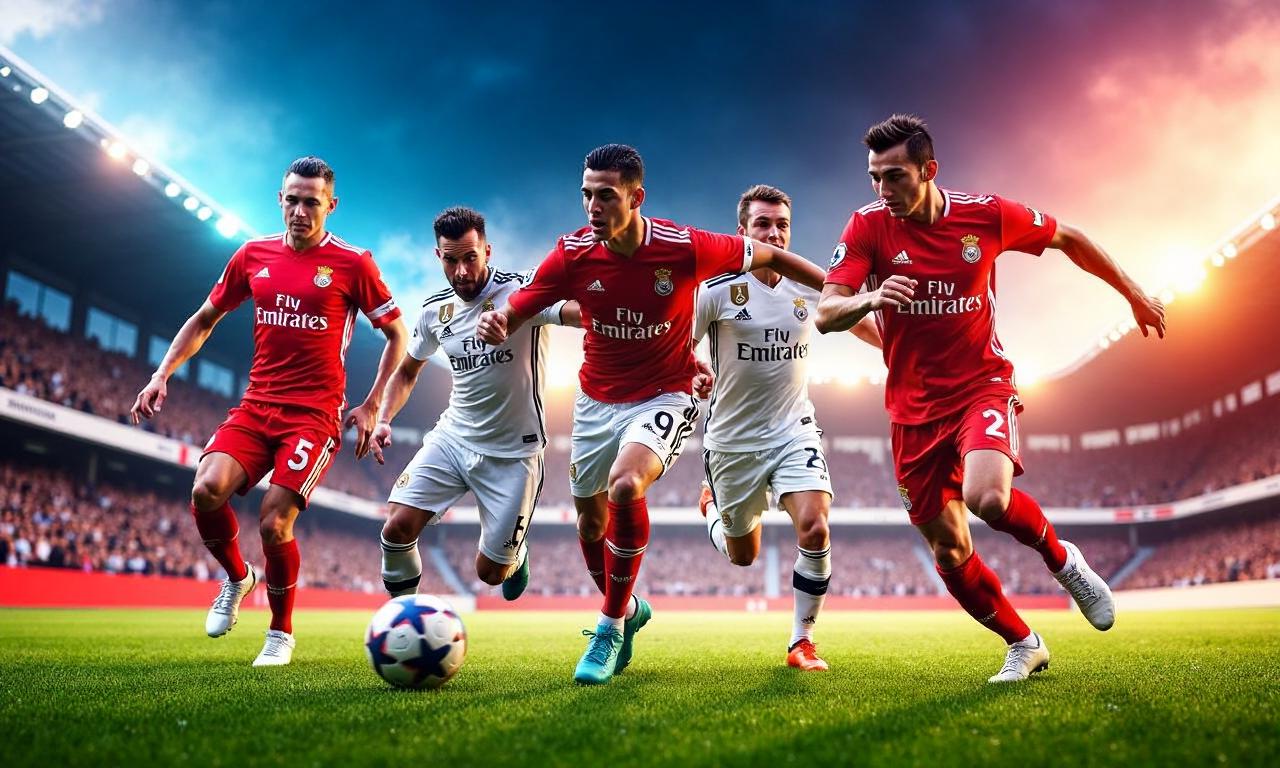
Benfica’s strengths lie in its attacking play and strong midfield. The team is known for its ability to create chances and maintain a high tempo throughout the game. However, their defense has been a point of concern in recent years, with occasional lapses that have cost them crucial matches. In contrast, Real Madrid has a more balanced squad, with a solid defense and a potent attack. The team’s ability to adapt to different formations and strategies has been a key factor in their success.
Star Players and Their Impact
The Benfica – Real Madrid rivalry is not just about the teams but also about the players who have made their mark on the field. Benfica has produced legends like Eusébio, who revolutionized football with his incredible pace and goal-scoring ability. More recently, players like Pedro Gonçalves and Adán have played pivotal roles in the team’s success. Real Madrid, on the other hand, has been home to some of the greatest players in history, including Cristiano Ronaldo, who has been a central figure in the team’s recent dominance. The presence of such stars adds an extra layer of excitement to every Benfica – Real Madrid match.
Tactical Approaches and Game Styles
The Benfica – Real Madrid rivalry is also defined by the different tactical approaches of the two clubs. Benfica often employs a high-pressing style, aiming to disrupt the opponent’s play and create scoring opportunities. This approach has been effective in recent years, with the team’s young players proving their ability to execute complex strategies. Real Madrid has a more versatile style, with the ability to switch between attacking and defensive setups depending on the opponent. This adaptability has been a key factor in their success, especially in high-stakes matches against Benfica.
The Cultural and Global Impact
The Benfica – Real Madrid rivalry has transcended the pitch, influencing football culture and inspiring fans around the world. Benfica represents the pride of Portugal, with its passionate supporters creating an electric atmosphere at every home match. Meanwhile, Real Madrid has a global fanbase, with its matches drawing massive audiences and generating widespread media coverage. The cultural significance of this rivalry is evident in the way it brings together fans from different backgrounds, fostering a sense of unity and excitement.
Fan Passion and Rivalry Dynamics
Benfica and Real Madrid fans are known for their intense passion, often clashing in the stands and online during Benfica – Real Madrid matches. This rivalry is not just about winning; it’s about identity and tradition. For Benfica supporters, the team embodies the spirit of Lisbon, while Real Madrid fans see their club as a symbol of Spanish football excellence. The emotional investment of these fans adds to the drama of every Benfica – Real Madrid encounter, making it a must-watch event for football enthusiasts.
Media Attention and Legacy
The Benfica – Real Madrid matches have consistently attracted media attention, with outlets from around the world covering every detail of the games. This exposure has helped both clubs maintain their status as football powerhouses, even as the sport evolves. The legacy of these matches is evident in the way they are remembered by fans and analysts, with some games becoming classics that are replayed for years to come.
Future Prospects and Longevity
As the sport continues to develop, the Benfica – Real Madrid rivalry is expected to remain a cornerstone of European football. Both clubs are investing in youth development and modern training methods, ensuring that they stay at the forefront of the game. The future of this rivalry will be shaped by emerging talents, strategic decisions, and the ever-changing dynamics of football. Whether it’s through a dramatic Benfica – Real Madrid clash in the Champions League or a high-stakes encounter in La Liga, the rivalry will continue to captivate fans and shape the sport.
Conclusion
The Benfica – Real Madrid rivalry is a testament to the enduring power of football as a unifying force. From their historical encounters to modern-day clashes, both teams have consistently pushed each other to new heights. The matches are not just about the outcome but also about the passion, culture, and legacy that define these clubs. As Benfica and Real Madrid continue to compete, their rivalry will remain one of
