
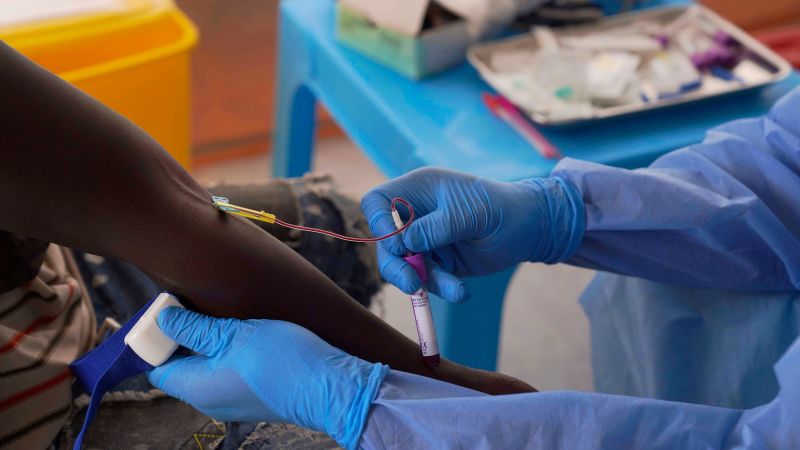
Experimental Ebola Prevention Pill Tested in Eastern Congo
Goldlaner.com – In eastern Democratic Republic of Congo, more than 250 people have joined a clinical study examining whether an experimental antiviral pill can prevent Ebola after exposure to the virus. The effort comes during the country’s deadliest Ebola outbreak and focuses on a strain for which there is no approved vaccine or treatment.
The study began in July in Ituri province, the center of an outbreak driven by the Bundibugyo virus. Since the outbreak was declared in mid-May, authorities have confirmed at least 8,300 infections and 4,000 deaths. The disease has reached seven provinces, placing intense pressure on efforts to identify exposed people and curb transmission.
A trial designed for people exposed to Ebola
The research is testing obeldesivir, an investigational antiviral pill made by Gilead. It is given shortly after a suspected exposure, before a person develops symptoms. This type of prevention is known as post-exposure prophylaxis, or PEP.
The study is coordinated by ALIMA, a medical nonprofit, with Congo’s National Institute of Biomedical Research and the French institute ANRS Emerging Infectious Diseases as partners. Researchers plan to enroll close to 1,000 people aged 12 and older who had contact with a confirmed Ebola patient during the previous five days but do not have symptoms.
Half of the participants receive the experimental medication and half receive a placebo. Each participant is checked in person daily for 21 days, then receives a follow-up call after 42 days. Dr. Godefroid Basara, who works on the trial, said this close monitoring is part of the study’s safety plan.
If a participant begins showing symptoms, supportive care will be started immediately. Early supportive treatment has been shown to help Ebola patients, making rapid recognition of illness especially important during a fast-moving outbreak.
Families facing uncertainty after exposure
People enrolled in the study include health workers and relatives of patients, groups that can face a particularly high risk of exposure. Ebola does not spread before symptoms appear, but people who have been exposed must wait through an uncertain period to learn whether they will become ill.
One participant, who asked not to be identified because of the sensitive medical circumstances, entered the trial in August after her husband tested positive. She said she had touched him and cleaned his vomit, leaving her worried that she could have been infected and could pass the disease to others.
“I realized that if I even touched my husband — and I did touch him, his vomit, everything — (it meant that) I was a direct contact. I could have also passed on this contagious disease. I could have been contaminated,” the participant said.
She said she had seen entire families become infected after one relative tested positive. So far, she said, no one in her own household has developed symptoms.
Another participant said two relatives contracted Ebola and one died. He described the study as an opportunity to take protective action during a frightening time.
“This disease is killing. It’s better to take precautions,” he said.
Why contact tracing remains central
For the trial to work, health teams must locate people who may have been exposed soon enough for them to enroll within the five-day window. That process, known as contact tracing, has been difficult during the outbreak. It requires identifying close contacts of confirmed patients, reaching them promptly and monitoring them for signs of illness.
Dr. Jacques Zawadi, an investigating physician working with ALIMA at the trial site, said many people welcome the chance to participate. Reaching potential participants who live far from the health center has been harder. The emotional impact of the outbreak can also interrupt the work, particularly when someone learns that a family member has died.
“This is the biggest challenge we face. When a person is emotionally affected, it is not easy to reason with them and ensure they return to the study,” he said.
The pill is intended to fill a different role from either vaccination or treatment for people already sick with Ebola. A vaccine can require days or weeks to create protection, while a therapeutic treatment is used after symptoms have started. Post-exposure prevention seeks to intervene in the narrow period between contact with the virus and the onset of disease.
“It differs from a vaccine, which may take days or weeks to provide protection. It is also different from curative treatment because it is intended for people who are not yet showing symptoms,” ALIMA research coordinator Dr. Guilavogui Jean Paul Yassa said.
Potential role alongside vaccination
If obeldesivir is shown to be effective, it could offer another tool for interrupting chains of infection among people at highest risk. That would not replace contact tracing, patient care or vaccination, but could strengthen the response when an exposed person is found quickly.
Congo has also begun vaccinating health workers with Ervebo, a vaccine that was effective in earlier Ebola outbreaks caused by a different and more common virus. Authorities have said Ervebo may provide some protection against Bundibugyo, though research is still examining whether it can prevent illness from this strain.
The clinical trial therefore carries significance beyond its individual participants. In an outbreak that continues to move faster than containment measures, researchers are looking for practical ways to protect contacts before they become patients. The results may help clarify whether an oral antiviral can become part of the response to future Ebola emergencies involving the Bundibugyo virus.
Related Reading
Frequently Asked Questions
What is Inside the study for a remedy?
Inside the study for a remedy is the main topic of this guide. The article explains the context, practical details, and next steps readers should understand.
Why does Inside the study for a remedy matter?
Inside the study for a remedy matters because readers are looking for a useful answer, not just a short summary. Good content should match search intent and help them decide what to do next.