
Forests Built to Endure Fire Are Facing a Harder Recovery
Goldlaner.com – In Yellowstone National Park, a landscape once defined by tightly packed trees has become a striking example of how wildfire recovery is changing. Areas that burned in the 2016 Maple Fire have not regenerated as earlier fires did, raising questions about the future of forests long considered resilient to flames.
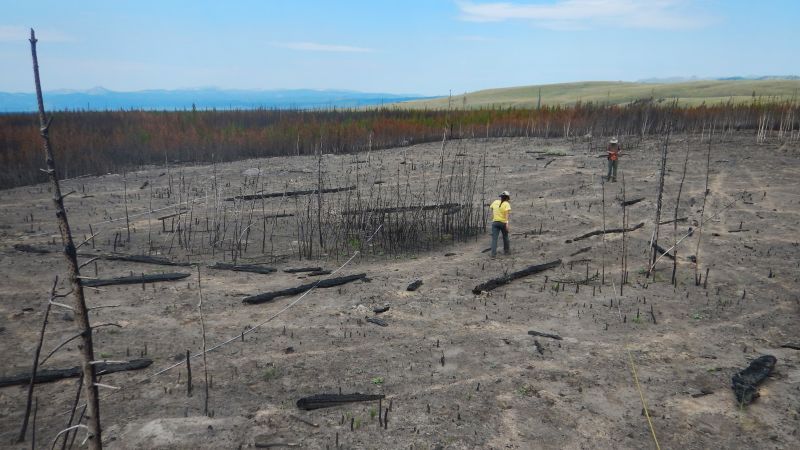
Ecologist Monica Turner has spent decades studying Yellowstone’s forests and the effects of wildfire. During a July field trip in 2013, she moved through dense branches under cold rain in the park’s western hills. When she returned four years later, the setting was transformed: intense sun beat down on an open, burned expanse marked by a small number of surviving trees and thin new shoots emerging from blackened ground.
The contrast was especially jarring because Turner had previously examined the aftermath of Yellowstone’s 1988 fires, which scorched large portions of the park. That earlier event helped shape a widespread understanding that forests could rebound even after severe damage. Research from that period showed that many burned areas would return with dense tree growth.
But conditions observed after the Maple Fire have challenged that expectation. Only about 5% of the tree seedlings have returned so far compared with the area that burned in 2016. Grasses now move across the exposed terrain, along with wildflowers often seen after fire. The result is not simply a young forest in development; in some places, it may represent a shift toward a different kind of ecosystem.
Heat, Drought and More Severe Fire
Fire is not automatically destructive to a forest’s long-term health. Ecologists stress that many American landscapes evolved with recurring burns. Fire can clear accumulated plant material, open space for new growth and support species adapted to periodic disturbance.
What has changed is the scale and intensity of many recent fires. Climate change has contributed to hotter and more rapidly spreading wildfires, while long periods without prescribed burns have allowed dead vegetation and other fuels to build up. Indigenous communities have used intentional, carefully managed burning for generations to reduce such buildup and sustain healthy landscapes.
When forests encounter exceptionally hot fires after years of fuel accumulation, the damage can be more complete. Turner described seeing “ghost logs” in Yellowstone—large fallen trunks that had burned away so thoroughly that only pale ash shapes remained.
“We could see what we call ghost logs, which is where there had been large logs on the ground, and they were completely combusted,” Turner said. “And then you can see their shadows where the white ash is left behind from the hot temperatures.”
The extreme conditions were apparent beyond the burn scar. Turner recalled that Yellowstone summers had generally been cool and wet during much of her research. On the later field trip, heat was severe enough that a field assistant needed hospitalization for dehydration.
For Turner, the experience underscored how quickly the underlying conditions for forest recovery can change.
“We could see what we call ghost logs, which is where there had been large logs on the ground, and they were completely combusted,” she said.
Her broader concern is not that every forest will vanish immediately after a fire. Instead, many affected areas may change gradually. Tall tree cover could give way over time to scrub, grassland or other plant communities better able to tolerate warmer and drier conditions.
A Different Yellowstone Landscape
In the Maple Fire area, Turner has identified what she calls a gradual but noticeable move toward vegetation that can better handle heat and limited moisture. These plants may also recover more readily if another wildfire arrives before tree seedlings have established themselves.
That pattern matters because forests shape much more than scenery. Trees provide shade for hikers, influence water temperatures and create habitat across the landscape. A park with fewer mature trees could feel different to visitors, particularly during hot weather, and it could alter when people choose to explore certain areas.
The effects can reach waterways as well. Yellowstone at one point temporarily prohibited fishing, including catch-and-release, because fish were already under pressure from low water and elevated temperatures. Reduced shade along streams and rivers can contribute to warmer water, adding stress for aquatic life.
These changes illustrate why post-fire recovery is increasingly important. The question is no longer only how much land burns in a given season. It is also whether the next generation of trees can take root afterward, survive increasingly harsh summers and mature before another severe fire occurs.
Recovery Is Becoming Less Certain
Across the United States, researchers are documenting comparable concerns in forests historically shaped by fire. Some tree species remain capable of regenerating after burns, but that capacity can be overwhelmed when repeated fires, high temperatures and dry conditions arrive in close succession.
There may be no single moment when a forest suddenly crosses an obvious threshold and disappears. Ecological conversion can unfold slowly, through lower seedling survival, fewer young trees and the steady expansion of grasses or shrubs. By the time the difference is visible from a trail or roadway, the process may have been underway for years.
Yellowstone remains a powerful reminder that fire and forest are not opposing forces. Fire has always been part of the park’s ecology. Yet the intensity of modern fires, combined with a warming climate and decades of altered fire management, is testing whether familiar landscapes can rebuild in the ways people have come to expect.
For visitors, the loss may first appear as fewer shaded paths or wider open meadows. For scientists, it represents a deeper uncertainty: whether forests that survived earlier generations of wildfire can still reproduce and persist under the conditions now taking shape.
Related Reading
Frequently Asked Questions
What is Why even resilient forests are struggling?
Why even resilient forests are struggling is the main topic of this guide. The article explains the context, practical details, and next steps readers should understand.
Why does Why even resilient forests are struggling matter?
Why even resilient forests are struggling matters because readers are looking for a useful answer, not just a short summary. Good content should match search intent and help them decide what to do next.