
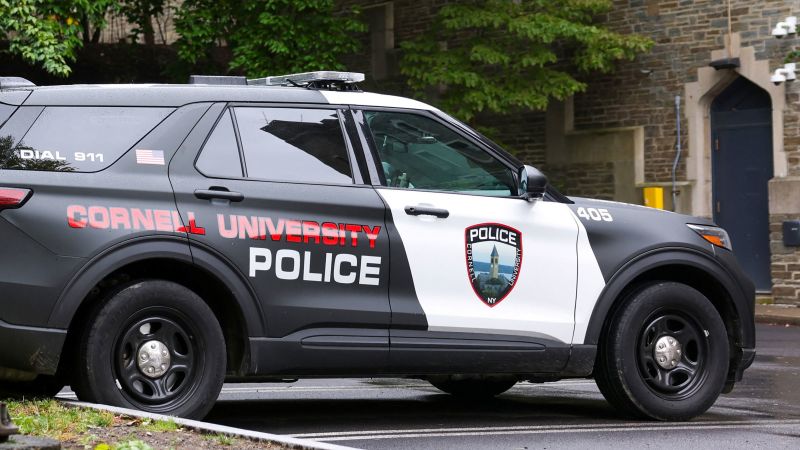
New York attorney general to lead Cornell sexual assault case review
Goldlaner.com – New York Attorney General Letitia James will assume the role of special prosecutor in an investigation involving allegations of sexual assault at Cornell University, a move announced Thursday by Gov. Kathy Hochul after she said confidence had eroded in the Tompkins County district attorney’s handling of the matter.
“New information has raised serious questions about how this case was handled, and I’ve lost faith in the Tompkins County DA’s ability to fairly oversee it,” Hochul said in a statement. “The young woman at the center of this case deserves to know that every fact will be examined and justice pursued.”
The allegations concern an incident at the Chi Phi fraternity house in 2024 involving a former Cornell student identified as Jane Doe. James now has authority to investigate the episode, decide whether charges are justified and, if appropriate, bring evidence before a grand jury.
Cornell said Thursday that it supports the governor’s decision. The intervention places renewed attention on questions about what information was gathered during the campus investigation, what reached county prosecutors and whether potentially relevant evidence was fully assessed.
Questions over evidence shared with prosecutors
Tompkins County District Attorney Matthew Van Houten has said his office received only Snapchat messages and a six-page investigative report before it chose not to pursue charges. In that report, Doe described being struck, feeling pressured into sexual activity and being intoxicated.
Her November 2024 interview with campus police included a more direct allegation of rape. Van Houten has said that transcript was not provided to his office. Cornell has maintained that police complied with protocol and transmitted all investigative material to the district attorney.
That gap lies at the center of the dispute. A criminal charging decision may depend not simply on the existence of an allegation, but also on the complete account from the complainant, witness interviews, digital records and the legal standards prosecutors believe apply. James’ appointment creates an independent path for examining whether the initial review had access to the necessary material.
New York’s rape law has also drawn attention in connection with the case. A provision characterized as a loophole may have limited the possibility of criminal charges. The special prosecutor’s review may clarify how that legal issue intersects with the evidence available in the Cornell matter.
Messages from a fraternity group chat
Images from a Snapchat group conversation titled “Chi Phi Actives” include a photograph of Doe inside a room at the fraternity house during the alleged assault. The messages raise questions about whether other images or recordings might have been available if a broader criminal inquiry had been conducted.
Earlier-disclosed messages from the chat included the phrases “free p*ssy” upstairs and “Shop still open?” Other messages referenced one fraternity member “laying rn,” asked whether people were “at least naked?” and stated that someone could “walk in and whip it out rn.”
The exchanges are significant because disappearing-message platforms can make preservation of digital material especially time-sensitive. In any investigation involving such communications, the timing of evidence requests, device reviews and interviews can shape what remains recoverable. The available messages do not, by themselves, resolve the allegations, but they form part of the material now likely to receive scrutiny.
Doe’s account and the Title IX process
In the weeks after the alleged assault, Doe struggled with shame and uncertainty over how to describe what happened, records from Cornell’s Title IX process indicate. Her understanding of the incident developed between the night in question and the time she spoke with campus police.
“Ms. Doe’s internal processing went from denial, to shame and ultimately acceptance that she had been raped by people that she thought were her friends,” her attorney, Thomas P. Giuffra, said Thursday. “Her reactions were a textbook reaction to trauma.”
Title IX investigations at universities are separate from criminal cases, though their records can include material relevant to law enforcement. Cornell’s review produced hundreds of pages of emails, texts, photographs and interviews involving Doe, her friends and six of the seven men she accused. The files also included a lengthy transcript from Doe’s original police interviews.
The alleged assault began October 19, 2024. When Doe returned home, she told her two roommates that she had taken ketamine and had sex with several men. At that stage, she did not identify herself as having been raped or assaulted. One roommate said Doe had not used either term, while another did not recall Doe expressing consent.
Delayed recognition or disclosure does not automatically establish what occurred, nor does it erase the need for a thorough review of all accounts and evidence. It can, however, be relevant context in sexual assault investigations, particularly where intoxication, relationships among those involved and the complainant’s evolving understanding of events are at issue.
What the special prosecutor appointment means
James’ role gives the case a fresh review outside the Tompkins County district attorney’s office. She can evaluate whether investigators collected and shared relevant information, whether additional evidence remains available and whether state law supports prosecution.
For Cornell, the case also intensifies scrutiny of the relationship between campus disciplinary procedures and criminal justice processes. University Title IX reviews address institutional responsibilities and may proceed under standards different from those used in criminal court. A decision within one system does not necessarily determine the outcome in the other.
The governor’s action does not determine guilt or guarantee that charges will follow. It does ensure that the allegations, the evidence trail and the earlier handling of the case will be examined by the state’s top legal office. For Doe and the people affected by the case, that review is now the next major step in a matter that has raised serious concerns about accountability, evidence preservation and institutional response.
Related Reading
Frequently Asked Questions
What is Special prosecutor taking over investigation of Cornell?
Special prosecutor taking over investigation of Cornell is the main topic of this guide. The article explains the context, practical details, and next steps readers should understand.
Why does Special prosecutor taking over investigation of Cornell matter?
Special prosecutor taking over investigation of Cornell matters because readers are looking for a useful answer, not just a short summary. Good content should match search intent and help them decide what to do next.