
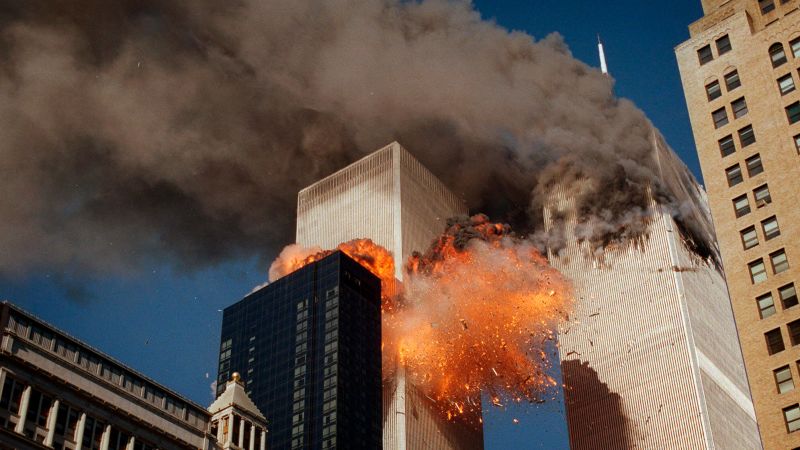
New York City Opens Long-Sealed 9/11 Air Quality Records
Goldlaner.com – New York City has made public more than 170,000 pages of records that shed new light on what municipal officials knew about toxic conditions near the World Trade Center after the attacks of September 11, 2001. The release comes days before the 25th anniversary of the attacks and follows years of demands from survivors, advocates and responders seeking a fuller account of decisions made in Lower Manhattan.
The newly available material includes internal memorandums, environmental testing information and other government records related to conditions around Ground Zero. The papers portray a gap between repeated public assurances that the air was safe and warnings contained in internal discussions about asbestos and other hazardous substances.
For residents living near the destroyed towers, workers returning to the area and emergency personnel spending long periods at the site, the records may offer important context about why concerns over exposure continued long after the immediate crisis. City officials said the online collection will grow over the coming months, with every posted record available for free viewing and download.
Internal warnings contrasted with public messages
The documents describe environmental tests conducted in October and November 2001 that frequently found elevated toxin levels. They also include concerns about chemicals that were difficult to detect as well as asbestos contamination.
One memorandum, written by Associate Health Commissioner Kelly McKinney on October 6, 2001, warned that air quality for asbestos at certain locations was not yet fit for people to return. The same day, then-Mayor Rudolph Giuliani publicly described the air as safe, the released records indicate.
“Air quality [for asbestos] at those locations is not yet suitable for reoccupancy,”
The material points to broader failures involving health protections for first responders and the handling of asbestos-related information. It also details instances in which official statements to New Yorkers conflicted with internal findings and the experiences of people who lived or worked close to the disaster zone.
Giuliani’s public efforts encouraged New Yorkers to resume normal activities. Independent scientists and environmental organizations later challenged his assurances about safety in the affected area.
A growing health toll
Nearly 3,000 people died in the attacks on September 11. In the years that followed, thousands more people, including responders who worked for months at the World Trade Center site, died from cancers and other illnesses connected to 9/11 exposure, the 9/11 Memorial has said.
The toll has extended the meaning of the tragedy far beyond the day of the attacks. Rescue, recovery and cleanup operations unfolded amid a vast debris field, and questions over the air people breathed became central to the long-running struggle for recognition, research and medical support.
Mayor Zohran Mamdani addressed that continuing loss while announcing the release at a Tuesday news conference.
“As the years pass and the human toll grows, we reckon with the cost of September 11th whenever another New Yorker is stolen from us too soon,”
The documents are expected to help the public examine how the city moved to stabilize Lower Manhattan and reopen it after the towers collapsed. They may also help families, survivors and researchers better understand the decisions that shaped exposure risks during the recovery period.
Records found in city storage
City officials said the release stems from 68 boxes discovered last year in a municipal government office. The records are now being placed in a searchable public portal, and additional files are expected to be added on a rolling basis.
For many 9/11 advocates, access to the files has been a long-standing goal. Survivors and responders affected by toxic exposure had pressed the city for greater openness, arguing that the records could support further research into health outcomes and strengthen efforts to obtain federal assistance.
The publication resolves a lawsuit filed by the advocacy organization 9/11 Health Watch. Its executive director, Ben Chevat, thanked Mamdani at the news conference and framed the release as an overdue response to a question that has persisted for a quarter-century.
“Mr. Mayor, I want to thank you for being the mayor who, after 25 years, begins to answer the question: What did the city know about the dangers from the toxic cloud at Ground Zero, and when did it know it?”
Questions for past administrations
When asked whether the prolonged failure to release the records amounted to a cover-up, Mamdani placed responsibility across several city administrations.
“This was multiple mayoral administrations refusing to release documents that New Yorkers were owed.”
The papers cite evidence that Giuliani and other officials continued to reassure both residents and responders despite conflicting internal information. Michael Bloomberg, who became mayor after Giuliani, also defended the city’s testing in a February 2002 public statement.
“Every test that has been done says the air quality was in acceptable limits. I think some people are just never going to believe that.”
A Bloomberg spokesperson declined to comment on Tuesday.
The significance of the new archive lies not only in its scale but in the opportunity it creates for public scrutiny. For those who spent years seeking answers, the documents may clarify what warnings existed, how they were communicated inside government and why people outside government received a different message. The release does not erase the health consequences endured by survivors and responders, but it creates a public record that can be examined as New York marks 25 years since the attacks.
Related Reading
Frequently Asked Questions
What is What we know about NYC s newly?
What we know about NYC s newly is the main topic of this guide. The article explains the context, practical details, and next steps readers should understand.
Why does What we know about NYC s newly matter?
What we know about NYC s newly matters because readers are looking for a useful answer, not just a short summary. Good content should match search intent and help them decide what to do next.