‘We like to mingle with people’: The Italian princess who wants tourists to stay in her palace

Daftar Isi
Two Princesses, One Palazzo, and an Open-Door Policy in the Heart of Rome
Goldlaner.com – Most travelers passing through Rome’s central shopping district will never notice the unassuming entrance to a 16th-century palazzo where the people behind the door still carry titles that predate the modern Italian republic. Inside, four sprawling suites draped in tapestries and antique furnishings wait for guests who are willing to pay a premium not just for luxury, but for proximity to living nobility. The Ruspoli Bonaparte Residence operates as a five-star hotel by day and as a working aristocratic household by evening, a duality that makes it one of the capital’s most singular lodging options.
The property sits squarely in the Eternal City’s core retail zone, steps from the same boulevards where shoppers browse leather goods and espresso bars fill with afternoon chatter. Yet the palazzo’s origins stretch back centuries before modern tourism existed. Its walls have absorbed the ambitions of popes, the commissions of empresses, and the quiet routines of a family whose name threads through medieval European history.
A Philosophy of Hospitality, Not Seclusion
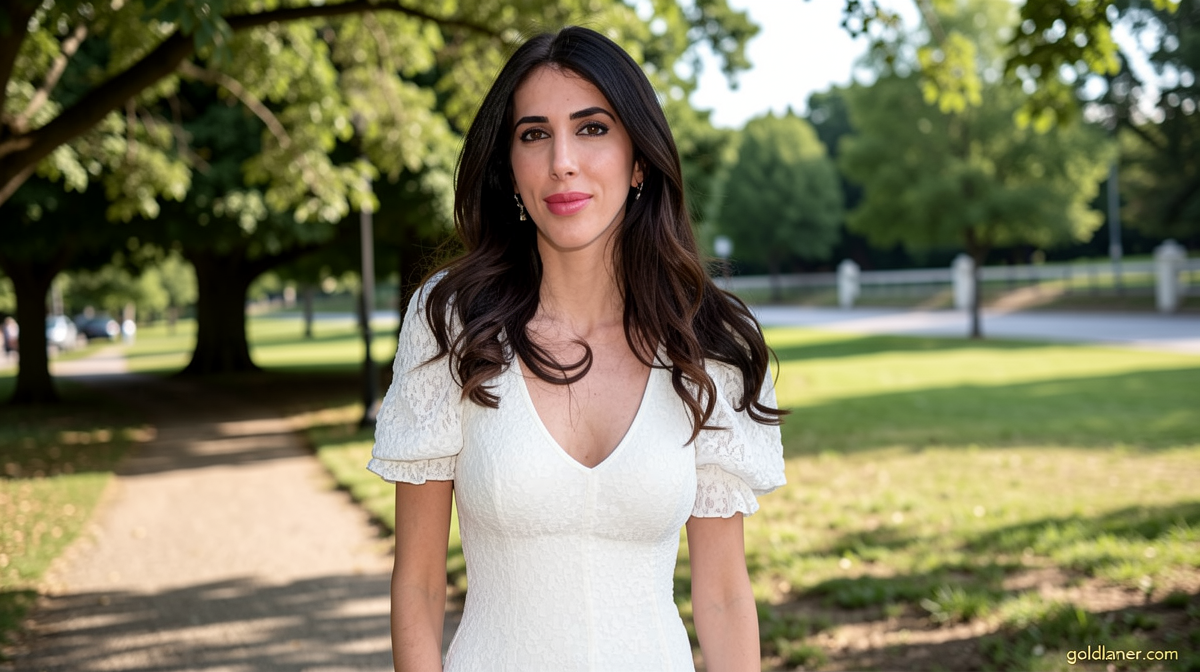
Princess Giacinta Ruspoli, a lawyer and journalist who now manages her family’s properties and organizes events, runs the front-of-house operation alongside her mother, Princess Maria Pia. Rather than treating the palazzo as a private fortress, the two women have adopted what they describe as a mission: to let outsiders walk through rooms that have witnessed five centuries of Italian life.
“We consider ourselves as mere keepers of palazzo Ruspoli Bonaparte, we do not like to say we are the owners of it,” Giacinta explained. “Times have changed.”
“My family wants to share all this beauty we have been gifted with everyone else. It comes imbued with a unique chunk of Italy’s history and traditions. We do not live shut in our castello, we like to mingle with people by opening the doors of our very home.”
The language matters. By calling themselves “keepers” rather than proprietors, the princesses frame the arrangement as stewardship of a cultural asset rather than a commercial transaction. Guests who check in are greeted personally by Giacinta or her mother, and the women make a point of appearing throughout the day to converse with visitors.
What the Suites Offer
Each of the four suites exceeds 1,000 square feet and incorporates multiple halls, floor-to-ceiling stone fireplaces, and marble detailing. Rates begin at roughly $470 per night, a figure that already includes butler service and breakfast. Guests may add private dining with an in-suite chef preparing tailored Italian menus, as well as on-site beauty treatments.
The two suites on the upper floors carry additional privileges: double bedrooms, a panoramic veranda, and a private terrace that looks out over Rome’s historical center, furnished with lounge chairs for evening viewing. Interior decoration in every suite features ancient coffered ceilings painted against golden backdrops, frescoes depicting vineyards — a motif drawn from the Ruspoli coat of arms — parquet flooring, and oil portraits of long-dead ancestors.
For those seeking total exclusivity, the entire palazzo can be leased outright at a starting rate of 4,000 euros (approximately $4,700) per night. Each suite accommodates up to four guests, making the full buyout suitable for extended family gatherings or corporate retreats that want the spectacle of an unbroken Renaissance interior.
The Guests Who Come
Giacinta notes that American visitors form a large share of the clientele, drawn by what she calls the appeal of “experiencing royalty.” The curiosity runs both ways: guests want to understand the history embedded in the walls and the nobles who still inhabit them.
“They pick us because they want to enjoy a princely sojourn and are curious to discover the history of the place and the nobles who still live here, like my mother and I,” she said. “America doesn’t have a history nor heritage of aristocracy.”
That last observation carries weight. The United States abolished hereditary titles at founding, so a functioning noble household in a European capital remains a genuinely foreign concept for many American travelers. The palazzo becomes, in effect, a living museum where the exhibits are still breathing.
Five Centuries of Ruspoli History
The Ruspoli name traces a clear lineage into the Middle Ages, reaching back to the era of Charlemagne, the Frankish king crowned Holy Roman Emperor who consolidated much of Western Europe by the close of the ninth century. Over the centuries the family built considerable wealth through connections with the Vatican, a relationship that helped usher in several Ruspoli-linked popes and, at one point, a recognized saint.
The palazzo’s most famous resident was not a Ruspoli by blood but by marriage. Emperor Napoleon III, nephew of Napoleon Bonaparte, spent his childhood there in the 1820s alongside his mother, Hortense de Beauharnais, the former queen of the Netherlands. Hortense commissioned numerous paintings and decorative works that still hang within the walls, giving the residence its layered artistic inventory.
When Giacinta and her mother encounter guests during the day, they fill the silences with stories: the grandeur of old ceremonies, the scandals that scandalized Rome, the love affairs that crossed borders, the ghosts said to haunt particular corridors, and the battles fought by ancestors whose names appear in medieval chronicles.
The Cost of Keeping a Palazzo Standing
Behind the romance sits a relentless financial and bureaucratic reality. Giacinta describes the ongoing maintenance required to preserve a structure of this age as “overwhelmingly expensive.” Every renovation triggers the extensive paperwork that Italian law mandates for historic buildings — a regulatory maze that can stretch months before a single beam is replaced. Revenue from guest bookings, she explains, funds that perpetual cycle of repair and restoration.
Giacinta, who is in her 30s, handles the operational side: bookings, client correspondence, special requests. Her mother provides the living history. Together they keep a 16th-century palazzo functioning as both a working aristocratic home and a five-star destination, a balance that has no real parallel elsewhere in Rome’s hospitality landscape.
Related Reading
Frequently Asked Questions
What is We like to mingle with people?
We like to mingle with people is the main topic of this guide. The article explains the context, practical details, and next steps readers should understand.
Why does We like to mingle with people matter?
We like to mingle with people matters because readers are looking for a useful answer, not just a short summary. Good content should match search intent and help them decide what to do next.