Russian attack on Ukrainian ammunition warehouse triggers waves of blasts, killing 37

Daftar Isi
Explosive Warehouse Strike Near Kyiv Leaves 37 Dead as Hours-Long Blasts Devastate Residential Neighborhood
Goldlaner.com – A Russian drone strike on a depot of stored munitions in the Bucha district outside Kyiv set off a chain of massive detonations that tore through surrounding homes for hours, killing at least 37 people and wounding dozens more. The carnage, which left entire apartment blocks reduced to skeletal walls and blackened ground, marks one of the most lethal single incidents in the capital since the full-scale invasion began more than four years ago.
The blast sequence was triggered not merely by the initial drone impact but by the secondary explosions of shells, mines, additional drones, and other ordnance packed into the warehouse. That proximity to occupied housing turned what might have been a contained military-infrastructure hit into a neighborhood-wide catastrophe.
Death Toll and Immediate Aftermath
Tymur Tkachenko, who leads the Kyiv region military administration, confirmed the figure of 37 confirmed fatalities as of Saturday afternoon and warned the number could climb further as rescue crews worked through rubble.
“This is a terrible and irreparable loss. Our heartfelt condolences go out to the families and loved ones of those who have died,” Tkachenko said.
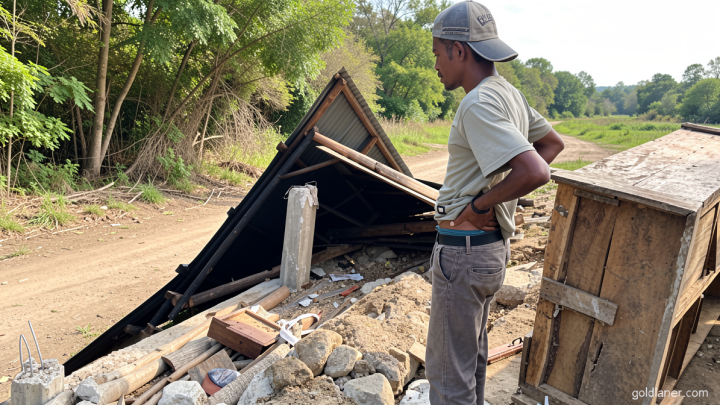
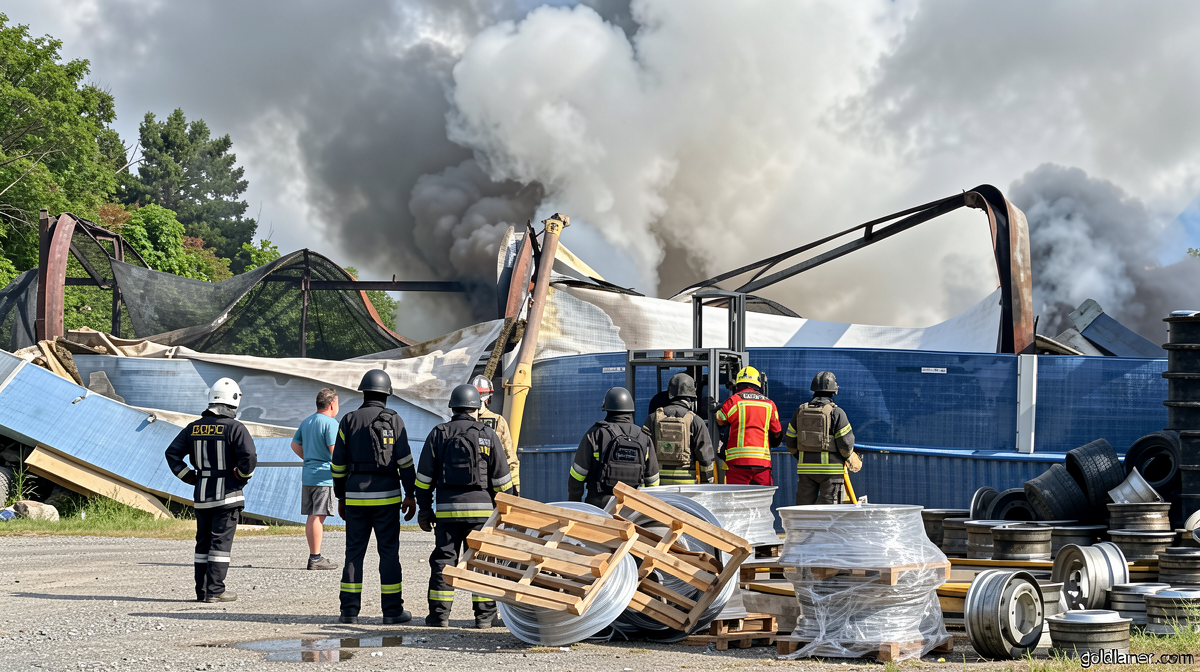
Resident-shared photographs and video captured the scale of destruction: multi-story structures flattened, interiors gutted by fire, and streets littered with debris. More than 300 emergency responders were deployed to the scene, where a care home serving elderly residents and people with disabilities was among the dozens of buildings damaged or destroyed.
Zelensky Demands Accountability for Storage Negligence
President Volodymyr Zelensky directed his remarks squarely at the decision to keep explosive materials so close to civilian housing. He described the struck facility as a place where ammunition “should not have been there” and called the situation “horrific,” citing “appalling negligence by those who stored explosive materials right next to where people were living.” He announced that a criminal investigation was already under way.
The Prosecutor General’s office issued its own statement confirming that “explosive objects and materials” had been kept on the premises and announcing an inquiry into “the circumstances surrounding the explosion on the premises of the facility and the actions of the officials responsible.”
The timing sharpens the question. Just weeks earlier, seven people were killed when a Russian strike struck another ammunition warehouse in a residential zone in Vyshneve, roughly 20 kilometers (12 miles) from the Saturday site. Two incidents in close succession raise the question of whether storage protocols across the Kyiv region have been systematically inadequate.
A Municipal Leader Killed While Responding
Among those confirmed dead was Taras Didych, the long-serving head of the local municipality, who had rushed to the scene to coordinate assistance. Mykola Kalashnyk, Ukraine’s Minister for Recovery, Infrastructure and Transport, issued a tribute:
“He always stood by his people. He did not abandon them even during the Russian occupation — he was there, offering support and assistance, and keeping the community together during one of the most terrifying periods.”
Two Days of Sustained Aerial Assault
The warehouse strike landed amid a relentless barrage. Between midnight on Thursday and midday on Saturday, Kyiv logged 28 separate air-raid alerts totaling more than 28 hours of continuous or near-continuous warning. Across the city, a two-year-old girl who had been seriously wounded in one of Saturday’s many strikes later died of her injuries, per Kyiv mayor Vitali Klitschko. Five additional residents were injured in separate incidents.
The overnight and Saturday strikes were not confined to the capital. Attacks were recorded across Odesa, Dnipro, Zaporizhzhia, Sumy, Kherson, Kharkiv, Mykolaiv, Donetsk, and Chernihiv regions. Zelensky said more than 260 attack drones were involved in the multi-day campaign, alongside Banderol cruise missiles.
The Emerging Jet-Powered Drone Threat
While some Thursday strikes employed conventional missiles, the overwhelming majority of recent attacks have relied on jet-powered drones — a capability first observed in Russian operations around the start of the year. These craft reach speeds approaching 500 kilometers per hour (310 miles per hour), fast enough to slip past Ukraine’s layered air-defense screens and too quick for mobile anti-aircraft fire groups to engage effectively. The practical countermeasures are limited to ground-to-air missile systems or fighter jets, both of which remain in extremely constrained supply for the Ukrainian military.
Pavlo Palisa, deputy head of the Presidential Office, addressed reporters on Saturday to underscore the trend:
“The Russians have significantly stepped up their use of jet-powered UAVs and their numbers will continue to rise, because the Russians recognize their effectiveness.”
Palisa added that Ukraine must adapt its defensive posture to match the evolving threat. The Bucha warehouse disaster, layered atop the Vyshneve strike and the broader multi-day bombardment, underscores how the combination of sustained aerial pressure and domestic storage vulnerabilities continues to produce casualties far beyond what a single drone impact would ordinarily cause.
Related Reading
Frequently Asked Questions
What is Russian attack on Ukrainian ammunition warehouse?
Russian attack on Ukrainian ammunition warehouse is the main topic of this guide. The article explains the context, practical details, and next steps readers should understand.
Why does Russian attack on Ukrainian ammunition warehouse matter?
Russian attack on Ukrainian ammunition warehouse matters because readers are looking for a useful answer, not just a short summary. Good content should match search intent and help them decide what to do next.