
El Niño Drought in Panama: Price Spike Looms
Goldlaner.com – From diesel pumps to pharmacy shelves, consumers across the Americas should expect steeper price tags in the months ahead. The trigger is an El Niño caused drought in Panama that is starving the freshwater reservoirs behind the canal’s lock chambers. Forecasters now project this episode will outstrip every prior record in intensity, and the operational response — slashing daily transit quotas and capping vessel draft — is already compressing global shipping capacity. The knock-on effect, economists warn, will travel from dockside queues straight into grocery receipts.
“The ripple effects are significant through supply chains and all the way to consumer prices at stores,” Benjamin Gedan, senior fellow and director of the Latin American program at the Stimson Center, told reporters.
How the Canal Runs Out of Water
The Panama Canal stretches roughly fifty miles across the Central American isthmus, connecting the Atlantic and Pacific and trimming days of fuel from transoceanic routes. Approximately five percent of worldwide maritime cargo passes through its locks annually, with the United States representing about seventy percent of that flow. For American importers and exporters, the waterway functions less as a shortcut and more as a structural dependency.
Each transit depends on a staircase of freshwater chambers that raise and lower vessels between ocean levels. Those chambers draw their replenishment almost entirely from Lake Gatun, a massive artificial reservoir in the canal watershed. When seasonal rainfall fails to refill the lake, operators must throttle both the number of ships admitted per day and the maximum draft each vessel may carry.
That constraint played out sharply during the 2023–2024 El Niño, when Lake Gatun fell to historic lows and daily transits dropped from thirty-six to twenty-four. The current episode threatens to compound an already stressed system, and the El Niño caused drought in Panama is arriving at the worst possible point in the hydrological calendar.
What Is Happening Right Now
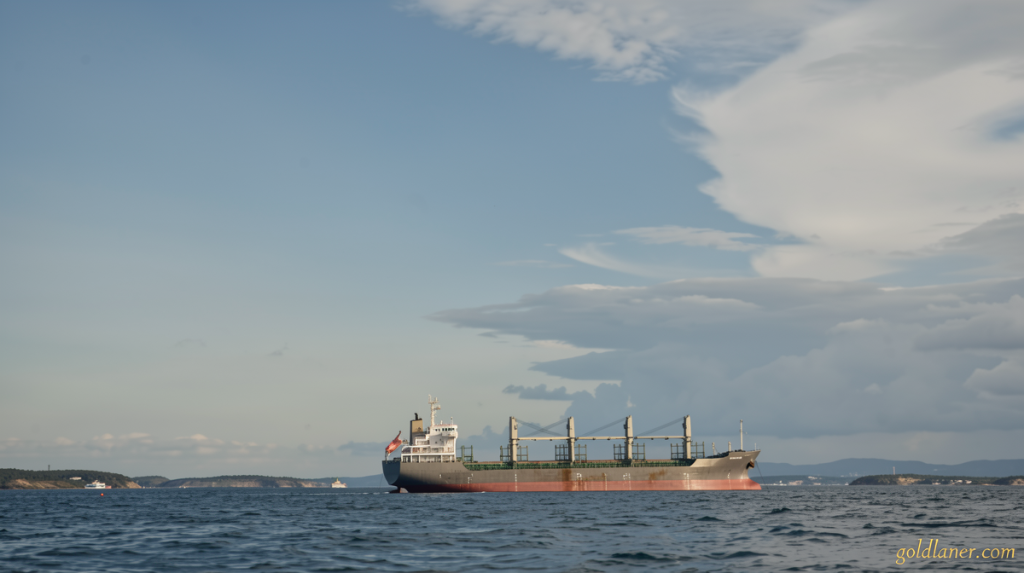
By early August, dozens of vessels sat idle at the Pacific entrance, some waiting longer than a week for a transit slot. A single chemical tanker had been stranded for over a month. On August 10, a large container ship jumped the queue by paying roughly four million dollars for a priority passage. Flexport, which had thirty containers aboard that vessel, flagged the Pacific-side backlog as the worst since May, when Strait of Hormuz tensions had already stretched wait times.
NOAA declared the official onset of the new El Niño in June and projects peak intensity between October and December at levels without modern precedent. Because Panama’s wet season spans May through December, the dry spell lands precisely when the watershed most needs rain. The El Niño caused drought in Panama is therefore not a marginal weather deviation but a systemic stressor on the canal’s operating envelope.
Panama City has logged only seventy-five percent of its average rainfall since May 1. The western city of David has fared worse, recording just sixty percent of its ninety-day norm. Across the full canal watershed, cumulative precipitation since May runs thirty-four percent below the historical mean, per figures released by the Panama Canal Authority.
Operational Cuts and Their Downstream Cost
Starting in September, the Authority will cap vessel draft at forty-eight feet, down from the standard fifty-foot allowance, with further reductions signaled for the near future. A lower draft ceiling forces ships to shed cargo weight before entering the locks, shrinking the tonnage per transit and inflating the per-unit freight cost.
Daily transit quotas are also tightening: thirty-four ships per day from September 4, falling to thirty-two by September 15. Analysts note these cuts are less severe than the emergency rationing of 2023–2024, yet they will deepen existing delays and push transit surcharges higher. The El Niño caused drought in Panama, in short, converts a climate signal into a measurable cost increase on everything that moves through the canal.
Frequently Asked Questions
Will my shipping costs go up because of the Panama Canal drought? If your goods transit the canal, expect higher per-unit freight charges as fewer tons move per vessel and transit surcharges rise. The effect is most acute for time-sensitive cargo that cannot reroute around South America.
How long will the restrictions last? NOAA projects peak El Niño intensity between October and December. Until rainfall resumes and Lake Gatun refills, draft caps and reduced daily quotas are likely to remain in force, with possible further tightening.
Is this worse than the 2023–2024 crisis? Current cuts are less severe than the emergency measures that slashed transits from thirty-six to twenty-four. However, the forecast peak intensity of this episode is unprecedented, meaning the situation could deteriorate beyond prior benchmarks if rainfall continues to lag.
What can consumers do? There is no individual action that offsets a macro-level supply-chain constraint. Expect modest price increases on imported goods over the coming quarters, particularly items with short shelf lives or high fuel sensitivity.