
Prosecutors Say Bullet Engraving Shows Political Motive
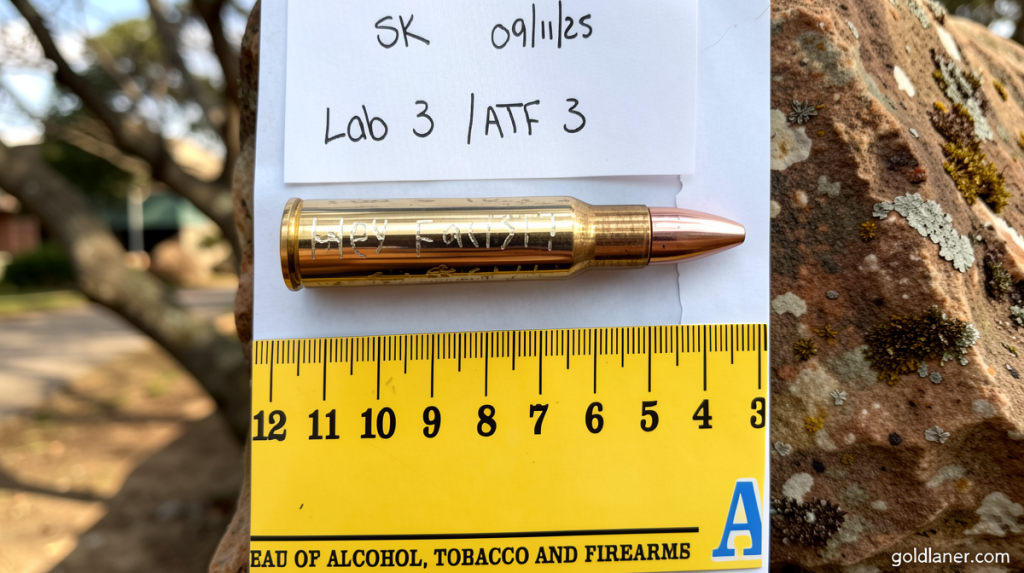
Goldlaner.com – Prosecutors say bullet engraving shows that Charlie Kirk was selected as a target because of his political views, according to filings submitted Tuesday in the aggravated-murder case against 23-year-old Tyler Robinson. The claim rests on a single cartridge recovered from the suspected murder weapon, which bore a hand-carved inscription reading “Hey Facist! CATCH!” In the state’s framing, that scratched phrase converts what could have been prosecuted as an ordinary homicide into a deliberate act of ideological violence, and it now anchors every argument both sides are making about sentencing.
The stakes extend well beyond narrative. Whether a jury finds aggravating factors attached to the September 10 shooting at Utah Valley University will determine whether Robinson becomes eligible for capital punishment. Competing briefs filed this week put the two camps in direct collision over that threshold question.
How the State Builds Its Case Around the Carved Cartridge
In a document lodged late Tuesday, the prosecution labeled the engraved bullet an “overt political reference,” arguing that Robinson did not pick a random figure from a rooftop but aimed specifically at Kirk because of his public stances on same-sex marriage and gender-affirming medical care. The state paired that artifact with a text message Robinson allegedly sent about the victim:
“I had enough of his hatred. Some hate can’t be negotiated out.”
Read in tandem, prosecutors say bullet engraving shows a young man who watched Kirk’s years-long opposition to those policies, felt personally provoked, and acted. The state also highlighted the personal dimension: Robinson was in a romantic relationship with his college roommate, Lance Twiggs, who told investigators he had been weighing a gender transition around the time of the shooting. A handwritten note Robinson left for Twiggs carried the line:
“I had the opportunity to take out Charlie Kirk, and I took it.”
The prosecution further stressed the size of the crowd at the Utah Valley University event, describing thousands of attendees occupying what it called a “zone of danger” when the shot rang out from above. That argument feeds a proposed sentence enhancement for endangering others, a factor that would further bolster the state’s push for the death penalty.
Defense Rebuttals and Forensic Challenges
Robinson’s attorneys rejected every pillar of the prosecution’s motive theory. They characterized the text message as casual commentary about a public figure rather than evidence of premeditated targeting, and they countered the endangerment claim by noting the shooter “hit the intended target,” implying no additional penalty should attach for bystanders who happened to be nearby.
The defense also pressed repeated questions about the DNA analyses presented at the July preliminary hearing. Those tests, per investigators, linked Robinson to both the suspected weapon and a tool he allegedly used to carve the cartridges. Robinson’s lawyers sought to introduce reasonable doubt about the methodology and interpretive limits of that forensic work at the earliest procedural stage available.
Robinson has not entered a plea. He turned himself in roughly a day after the shooting — a detail both sides have cited but interpreted in opposite directions: the state reads it as consciousness of guilt, while the defense frames it as a young man processing a sudden, impulsive act.
Twiggs’ recorded interview, played in court last month, cuts both ways. He stated he had never heard Robinson discuss Kirk before the shooting and added that Robinson rarely spoke about gender issues or LGBTQ+ rights, though he occasionally raised broader political topics, including commentary about Donald Trump. The Associated Press reached out to Twiggs’ attorney for comment; no response had been received as of Tuesday’s filing.
Frequently Asked Questions
What exactly was carved into the bullet? The cartridge bore the hand-carved phrase “Hey Facist! CATCH!” Prosecutors say bullet engraving shows ideological intent, treating the inscription as proof that Robinson targeted Kirk for his politics rather than at random.
What charge faces Tyler Robinson, and what is the maximum penalty? Robinson faces aggravated murder. If a jury finds aggravating factors — including the alleged political motive and the endangerment of bystanders — he becomes eligible for capital punishment.
When did the shooting occur, and where? The shooting took place on September 10 at Utah Valley University, where Kirk was speaking to a large crowd. Robinson turned himself in approximately one day later.
Has a plea been entered? No. As of the Tuesday filings, Robinson has not entered a plea, and the case is proceeding through pretrial briefing on sentencing factors.