
US not ready to seek deal to end war with Iran, Donald Trump says
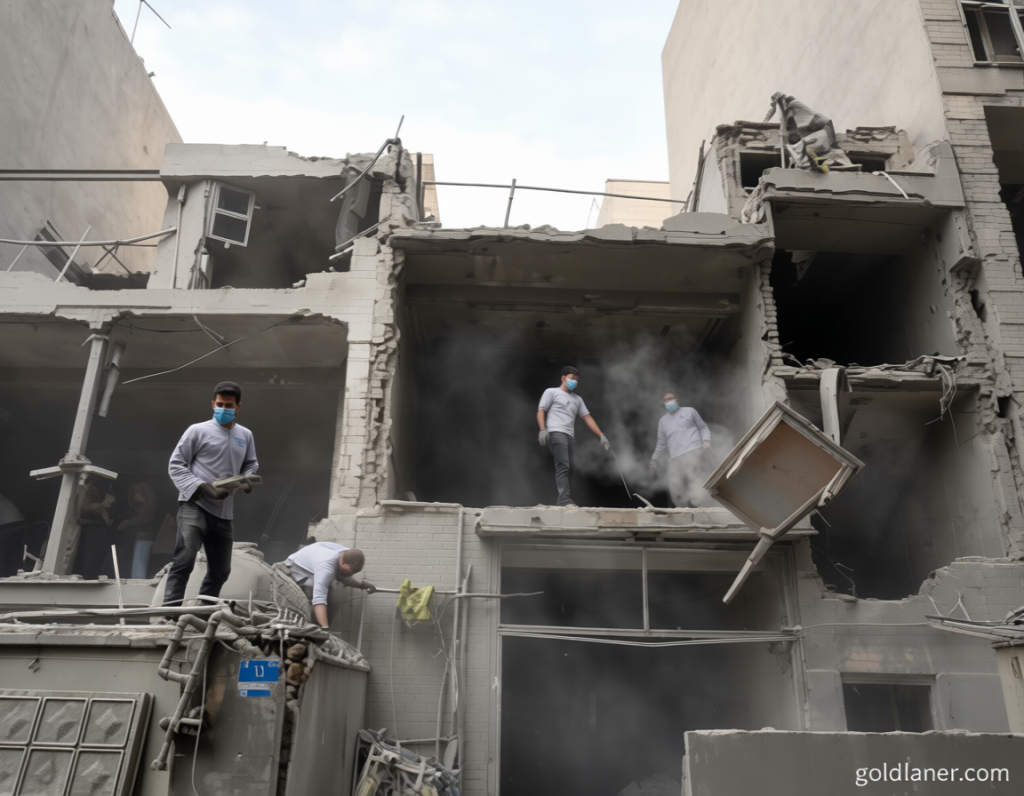
US not ready to seek deal to end war with Iran, Donald Trump says
Donald Trump stated he is not prepared to pursue a ceasefire agreement to halt the ongoing US-Israeli campaign against Iran, indicating that the US would continue its military efforts for more favorable terms. Despite Iran’s expressed interest in negotiations, Trump emphasized that the conditions for a deal were not yet satisfactory.
Recent missile and drone strikes by Iran targeted Gulf nations and Israel, while US and Israeli air forces conducted new attacks on Iranian military sites. This escalation has intensified regional instability, disrupted global trade routes, and caused oil prices to surge worldwide.
Strategic Moves and Rhetoric
Trump, addressing NBC News on Saturday, hinted at potential further strikes on Kharg Island, a critical hub for Iran’s oil exports, following US air strikes there on Friday. He suggested that additional attacks on the island’s infrastructure might be necessary to secure passage for oil shipments through the Strait of Hormuz.
“Iran wants to make a deal, and I don’t want to make it because the terms aren’t good enough yet,” Trump remarked, signaling a shift in strategy to target Iran’s coastal defenses near the strait.
Iran’s foreign minister, Abbas Araghchi, urged calm during a conversation with France’s Jean-Noël Barrot, advocating for restraint to prevent the conflict from expanding. However, his call for moderation came amid Iran’s pledge to keep the Hormuz Strait closed, a commitment reaffirmed by the new supreme leader, Mojtaba Khamenei, in a written statement.
Trump questioned Khamenei’s authority, claiming: “I don’t know if he’s even alive. So far, nobody has been able to show him.” This remark follows reports that Khamenei, 56, was injured in the strike that killed his father, the former leader, but Iranian officials described the wounds as minor.
Regional Impact and Daily Life
Despite the chaos, some signs of normalcy emerged in Tehran. Witnesses reported that daily routines continued, with increased traffic and reopened cafes and eateries. In the Tajrish bazaar, over a third of stalls were open, just days before Nowruz, the Persian New Year. However, online banking at Bank Melli remained halted, causing queues at ATMs.
Meanwhile, violence persisted in other parts of the Middle East. The US has advised citizens to evacuate Iraq after pro-Iranian groups attacked its embassy and military bases. Kurdish factions in the north also faced strikes, raising concerns about the region’s security.
Casualties and Displacement
According to the International Committee of the Red Cross, over 1,300 people have died in US and Israeli strikes on Iran. Iranian health ministry data, relayed by the judiciary’s news agency Mizan, lists 223 women and 202 children among the victims. The UN refugee agency estimates that up to 3.2 million Iranians have been displaced, many fleeing cities for safer areas.
Iran’s foreign ministry claimed readiness to accept proposals for a full resolution, though no independent confirmation of progress in mediation efforts was provided. Turkish officials, however, noted their attempts to mediate between Iran and neighboring states to reduce tensions.
As the conflict rages on, the stakes remain high, with both sides showing no immediate signs of compromise. The fate of the Hormuz Strait, a vital artery for global oil supply, continues to hang in the balance.
