
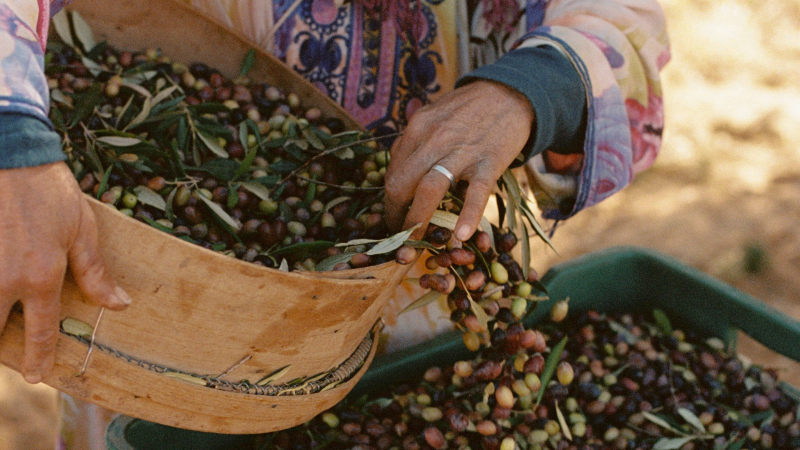
Tunisia Is One of the World’s Leading Olive Oil Producers
Goldlaner.com – Tunisia is one of the world’s largest olive oil producers, with a tradition that stretches back nearly 3,000 years. The country is expected to rank as the world’s second-largest producer in the 2025/2026 season. Yet many consumers abroad may struggle to find Tunisian olive oil clearly identified on store shelves.
A major reason is that much of the country’s output leaves Tunisia in bulk rather than in bottles carrying Tunisian branding. Local producer OLYFO says 86% of Tunisia’s olive oil exports in the 2025/2026 season were sold in bulk, with Spain, Italy and the United States among the largest destinations.
Once exported, the oil may be bottled abroad or blended with oils from other countries. As a result, shoppers can buy olive oil containing Tunisian production without seeing Tunisia named prominently on the label.
Why Tunisian Olive Oil Is Often Hard to Identify
Labeling practices can obscure the origin of olive oil. European Union rules can allow broad descriptions such as blends of olive oils from European Union and non-European Union origins. In the United States, labels may also make it difficult to separate the place where oil was harvested, produced, imported or bottled.
This system limits recognition for a country whose olive groves and farming traditions are central to its economy and culture. Tunisia is one of the world’s most important olive oil suppliers, but it can still be viewed mainly as a source of inexpensive raw material instead of a producer of premium finished products.
A Brand Built Around Tunisian Heritage
Sarah Ben Romdane, founder of the organic extra-virgin olive oil brand KAÏA, describes olive oil as a deeply personal part of Tunisian family life. She says it is connected to food, care, family history and the land.
“In Tunisia, we say there are more olive trees than Tunisians. Every family has a history with olive oil — mine was the first in the country to export it to the US.”
Ben Romdane believes bulk-export arrangements have weakened the visible connection between Tunisian producers and the oil that reaches global consumers. Her brand aims to challenge the idea that Tunisia should remain invisible in a market built partly on its harvests.
“Our olive oil is some of the best in the world, and these stereotypes are the result of an injustice imposed by foreigners on us. I wanted a brand like KAÏA to challenge it.”
Who Benefits From the Olive Oil Supply Chain?
Economist Fadhel Kaboub, an associate professor at Denison University in Ohio and author of the newsletter Global South Perspectives, says the central issue is control of the value chain. Cultivating olives is only one stage; bottling, marketing and selling branded products can determine who keeps the greatest share of the profit.
“The real competition isn’t growing olives; it’s controlling the value chain.”
Tunisia was under French rule from 1881 until 1956. Kaboub argues that the effects of this history remain visible in trade structures that position former colonies as suppliers of cheap raw materials rather than owners of premium consumer brands.
Financing is another obstacle. Olive farming requires investment, but inherited land may lack modern land titles, especially where ownership has passed through tribal inheritance. With limited access to domestic financing, many farmers sell their harvests to Spanish or Italian bulk buyers up to a year before olives are collected.
That arrangement can lock in prices before the quality and scale of a harvest are known. Even when Tunisia produces exceptional olive oil, growers may not receive the full value of what they produce.
The Human Cost of Bulk Olive Oil Exports
The effects extend beyond labels and branding. Kaboub says the bulk-selling model can contribute to poverty in rural areas, where workers may receive little of the value generated by olive oil production.
Seasonal agricultural workers are predominantly women, and their working conditions can be dangerous. Workers have at times been transported in trucks intended for cargo or livestock, highlighting the risks faced by people at the lowest-paid stages of the supply chain.
For Tunisia, expanding the share of olive oil that is bottled, marketed and sold under Tunisian brands could help retain more value within the country. It could also give shoppers a clearer opportunity to recognize where their olive oil comes from.
FAQ: Buying Tunisian Olive Oil
How can I tell whether olive oil comes from Tunisia?
Check the label for a specific country of origin rather than relying only on the bottling location. Look for wording that identifies Tunisia as the place where the olives were harvested or the oil was produced.
Why is Tunisian olive oil blended with oil from other countries?
Bulk olive oil is often exported to be bottled or blended elsewhere. This can make supply chains more efficient for large buyers, but it may also make the original source less visible to consumers.
Is Tunisia known for extra-virgin olive oil?
Yes. Tunisia is one of the world’s major olive oil producers and has a long agricultural history tied to olive cultivation. Tunisian brands such as KAÏA are working to make that origin more visible in international markets.