
Pope Leo XIV Fast Facts
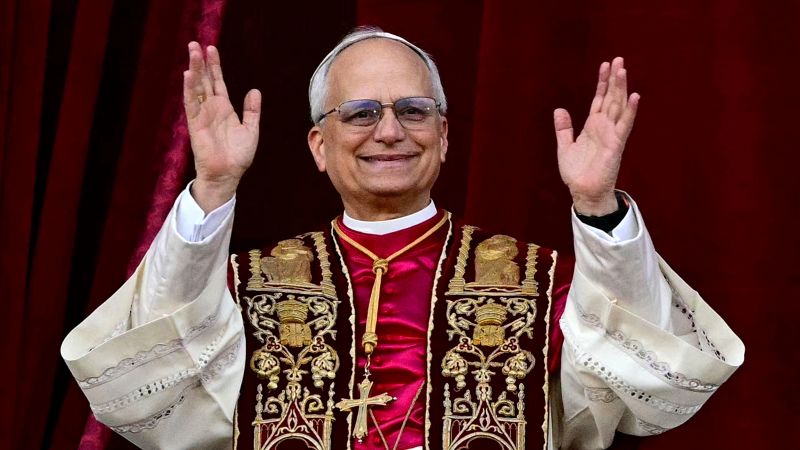
Pope Leo XIV Fast Facts: A Comprehensive Overview of the First American Pope
Pope Leo XIV Fast Facts: As the first U.S.-born pope in history, Pope Leo XIV, formally Robert Francis Prevost, has made a significant impact on the Catholic Church. Born on September 14, 1955, in Chicago, Illinois, Prevost grew up in a family that valued education, with his father Louis Prevost serving as a school superintendent and his mother Mildred Martínez Prevost as a librarian. This foundation in learning played a crucial role in his eventual rise to the papacy, making “Pope Leo XIV Fast Facts” a key resource for understanding his journey from a Chicago native to the leader of 1.3 billion Catholics worldwide.
Early Life and Background
Pope Leo XIV Fast Facts reveal that Robert Francis Prevost’s early years were steeped in intellectual and spiritual development. Raised in a household that prioritized education, he was surrounded by a culture that encouraged curiosity and discipline. Prevost’s formative experiences included participation in community service and a strong commitment to faith, which guided his path toward religious vocations. His background as a child of educators also influenced his later academic pursuits, reinforcing his dedication to the Church’s teachings.
Education and Ordination
Prevost’s educational journey began with a focus on mathematics, earning a Bachelor of Science degree from Villanova University in 1977. This analytical skill complemented his theological studies, leading him to the Catholic Theological Union in Chicago, where he obtained a Master of Divinity. By 1982, he had completed his seminary training and was ordained a priest, marking the beginning of his ecclesiastical career. His academic achievements continued in Rome, where he earned a Licentiate in canon law from the Pontifical College of St. Thomas Aquinas in 1984 and a Doctorate in canon law in 1987.
Leadership Roles in the Church
Pope Leo XIV Fast Facts highlight his extensive leadership experience before becoming pope. From 1999 to 2013, he served as prior general of the Order of Saint Augustine, a role that required overseeing the Order’s global operations. His tenure included promoting interfaith dialogue and modernizing the Church’s approach to theological education. After his ordination as a bishop in 2014, he was entrusted with the diocese of Chiclayo in Peru, further solidifying his reputation for pastoral care and reform. These experiences prepared him for his papal election in 2025, underscoring his readiness for the highest office in the Church.
Elevation to the College of Cardinals
On September 30, 2023, Pope Francis elevated Robert Francis Prevost to the rank of cardinal, a move that recognized his contributions to ecclesiastical leadership. Every cardinal is assigned a titular church in Rome, and Prevost took possession of his church, Saint Monica, on January 28, 2024. This tradition symbolizes the cardinal’s enduring connection to the Church’s historical and spiritual roots. His appointment to the College of Cardinals was a pivotal step toward his papal election, highlighting his growing influence and vision for the Catholic Church.
Papal Election and First Speech
Pope Leo XIV Fast Facts include his historic election as the 267th pope on May 8, 2025. His name, chosen to honor the 14th-century Pope Leo X, reflects a blend of historical reverence and contemporary relevance. In his first address to the faithful, Leo XIV emphasized the Church’s role in addressing social inequality, calling for solidarity with the marginalized and a renewed focus on justice. This speech, delivered during his inaugural Mass on May 18, 2025, in St. Peter’s Square, established his theological priorities and reinforced his commitment to a compassionate and inclusive Church.
Global Outreach and Diplomacy
Leo XIV’s first foreign trip as pope was a landmark visit to the Vatican, where he engaged in dialogues with religious leaders from various faiths. This mission underscored his vision for unity and collaboration, as he sought to bridge gaps between Christianity and other world religions. His diplomatic efforts also included meetings with leaders in Europe and Latin America, reinforcing the Church’s global presence. These initiatives aligned with his broader goal of fostering interfaith understanding, making his papacy a defining chapter in the Church’s modern outreach strategy.
Papal Impact and Legacy
As Pope Leo XIV Fast Facts illustrate, his leadership has brought a fresh perspective to the Vatican. By becoming the first American pope, he has symbolized the Church’s evolving global identity, blending traditional values with contemporary challenges. His emphasis on social justice, education, and interfaith dialogue has positioned him as a reformer within the Church. The unique circumstances of his papacy, from his birthplace to his theological vision, continue to inspire discussions about the role of the papacy in the 21st century.
