
Iran says it will ‘irreversibly destroy’ Middle East infrastructure if US attacks energy sites
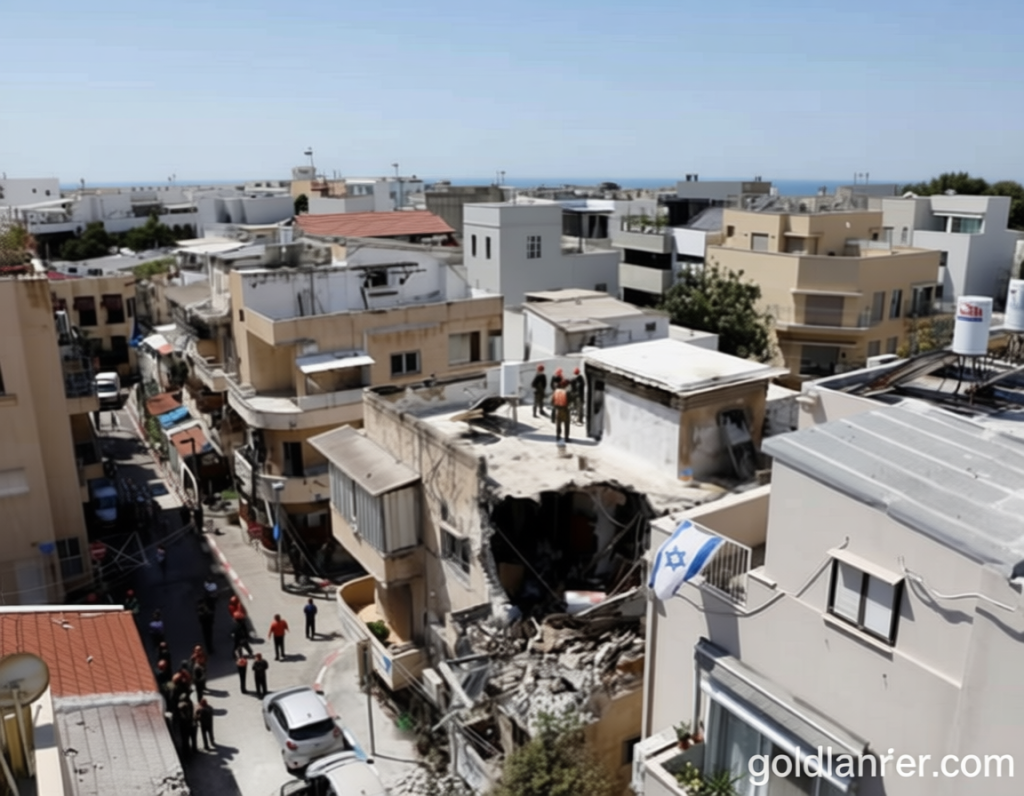
Iran Says It Will ‘Irreversibly Destroy’ Middle East Infrastructure if US Attacks Energy Sites
Iran’s capital declared it would “permanently damage” critical infrastructure across the Middle East, including essential water systems, in response to a US threat to “obliterate” Iran’s power plants unless the Strait of Hormuz is fully opened within two days. The escalation followed overnight missile strikes on two southern Israeli cities, injuring dozens, and the deployment of long-range missiles by Tehran, marking a significant shift in the conflict now in its fourth week. Both sides have targeted facilities crucial to millions, raising concerns about potential civilian casualties.
Iranian Threats and International Concerns
Speaking on Sunday, Mohammad Bagher Ghalibaf, the Iranian parliament’s speaker, stated that energy and desalination infrastructure in the region would be deemed a valid target and “completely dismantled” following an attack on Iran’s own facilities. Amnesty International warned that strikes on systems providing electricity, heating, and water could breach international law, with some incidents potentially constituting war crimes due to their likely impact on civilians.
“Vital infrastructure in the region will be considered a legitimate target and will be ‘irreversibly destroyed’ as soon as our own infrastructure is attacked,” said Ghalibaf.
The Iranian military’s operational command, Khatam al-Anbiya, added that Iran would strike “all energy, information technology, and desalination infrastructure” linked to the US and Israel. It emphasized that if the US carried out its threat, the Strait of Hormuz would be “fully blocked” until Iranian power plants are rebuilt. Meanwhile, President Masoud Pezeshkian argued that “threats and terror” were “only strengthening Iranian unity,” dismissing the idea of erasing Iran from the map as a sign of “desperation against a history-making nation.”
US Ultimatum and Hormuz Crisis
On Saturday, US President Joe Biden issued a 48-hour deadline for Iran to open the Strait of Hormuz, or the US would “hit and obliterate” Iranian power plants, starting with the largest. Ali Mousavi, Iran’s representative to the International Maritime Organisation, claimed the strait was open to all shipping except vessels associated with “Iran’s enemies,” with passage coordinated through security agreements with Tehran.
However, Iranian strikes have effectively closed the narrow waterway, which handles roughly a fifth of global oil and liquefied natural gas. The closure triggered the world’s worst oil crisis since the 1970s, pushing European gas prices up by as much as 35% last week. Only a small fraction of vessels, around 5% of pre-war levels, from countries like China, India, and Pakistan have been permitted to transit the strait.
Missile Strikes and Casualties
Overnight attacks on southern Israeli towns, Arad and Dimona, saw Iranian missiles hitting the cities, injuring over 200 people. A 12-year-old boy and a five-year-old girl were among those hospitalized in critical condition. Israeli air defenses failed to intercept the projectiles, which targeted the Negev Desert nuclear center, home to what is widely believed to be the Middle East’s sole nuclear arsenal. The Israeli army announced plans to retaliate against Tehran.
“We’re going after the regime. We’re going after the IRGC, this criminal gang,” said Prime Minister Benjamin Netanyahu during a visit to Arad. “We’re going after them personally, their leaders, their installations, their economic assets.”
Netanyahu also vowed to pursue “senior commanders” of Iran’s Revolutionary Guards, stating the strikes were part of a broader effort to dismantle the “criminal gang.” Lebanon joined the conflict after Iran-backed Hezbollah launched attacks on Israeli territory. Air raid alarms blared across Israel early Sunday, signaling incoming missiles from Iran. Since February 28, when the US and Israel began targeting Iran, over 2,000 people have died, with retaliatory strikes hitting Israel and Gulf states.
