
How to Create a Tech Tutorial Video: Step-by-Step Guide

In today’s digital age, tech tutorial videos have become a cornerstone of online learning and content creation. Whether you’re a software developer, a tech enthusiast, or a beginner looking to share your knowledge, creating a how to create a tech tutorial video is an effective way to engage your audience and simplify complex topics. This comprehensive guide will walk you through the process of crafting a high-quality how to create a tech tutorial video, from planning your content to editing the final product. By following these steps, you can ensure your video is informative, visually appealing, and easy to follow.
Step 1: Plan Your Tech Tutorial Video
Before you start filming, it’s essential to plan your tech tutorial video thoroughly. A well-structured plan ensures that your content is clear, concise, and meets the needs of your viewers. Begin by defining the objective of your video. Are you teaching a specific skill, explaining a software feature, or demonstrating a new tech tool? Once you have a clear goal, choose a topic that is both relevant and timely. For example, if you’re a web developer, you might focus on a new framework or coding technique.
Next, outline the content structure. Break down the topic into smaller, digestible steps. This helps your audience follow along without feeling overwhelmed. Consider your target audience—what is their level of expertise? A beginner might need more foundational explanations, while an advanced user could handle complex concepts. Also, determine the length of your video. Aim for a duration that balances depth and engagement, typically between 5 to 15 minutes.
Finally, plan your filming setup. Decide on the location, equipment, and tools you’ll use. A clean, well-lit background is essential for professionalism, and having the right gear—like a camera, microphone, and screen recording software—will make a significant difference. By taking the time to plan, you set the foundation for a successful how to create a tech tutorial video.
Defining the objective is the first step in creating a meaningful how to create a tech tutorial video. Ask yourself: What problem are you solving with this tutorial? Are you showing how to install an application, troubleshoot a common issue, or create a tech project from scratch? A clear objective ensures your video stays focused and delivers value.
When choosing your audience, consider their knowledge level and learning preferences. For instance, if your target viewers are students, they might benefit from a more visual and explanatory approach. If you’re addressing professionals, they may prefer a fast-paced, result-oriented format. Audience analysis is key to tailoring your content effectively.
Choosing the Right Topic and Tools
Choosing the right topic involves selecting something that is both practical and interesting. Think about what you’re passionate about or what your audience is asking for. A popular topic could be “How to Set Up a Home Network” or “Creating a Tech Stack for a Startup.” Once the topic is selected, gather all necessary tools and resources. This includes software, hardware, and any materials needed to demonstrate the steps.
Planning the content structure means organizing your video into logical segments. Start with an introduction that sets the context, then move to step-by-step instructions. Use visuals and examples to reinforce key points. For instance, if you’re teaching how to code, include code snippets and live demonstrations. End with a conclusion that summarizes the main takeaways and encourages viewers to practice.
Step 2: Scripting and Storyboarding
A solid script and storyboard are the backbone of any how to create a tech tutorial video. They help you structure your thoughts and ensure your video flows smoothly. Begin by writing a script that outlines the dialogue, on-screen text, and visual cues. This script should include an introduction, main content, and a conclusion.
Storyboarding involves visualizing each scene of your video. Sketch out the sequence of visuals, transitions, and text overlays. This step is especially important if you plan to use animations, graphics, or screen recordings. A well-thought-out storyboard prevents last-minute changes and keeps your filming process efficient.
Creating a Script That Engages Viewers
Creating a script is more than just listing steps; it’s about storytelling. Start with a hook to grab attention, such as a question or a surprising fact. For example, “Did you know that you can automate your daily tasks with just a few lines of code?” Then, outline the steps in a simple, conversational tone. Avoid jargon unless you explain it, and make sure each part transitions naturally to the next.
Storyboarding for Visual Clarity
Storyboarding ensures that your video is visually coherent. Imagine each scene as a frame in a movie: what is happening on screen, what text is displayed, and what voiceover or narration accompanies it. This helps you anticipate how to present information clearly. For instance, if you’re explaining a coding process, you might storyboard a split-screen showing the code and the output.
Preparing Visual and Audio Materials
Preparing visual and audio materials is crucial for a polished how to create a tech tutorial video. Gather all the necessary assets, such as screenshots, diagrams, or background music. If you’re using screen recording, make sure your workspace is tidy and your software is set up for smooth recording. Test your audio equipment to avoid background noise or unclear voiceovers.
Step 3: Filming the Tutorial
Once your script and storyboard are ready, it’s time to film the tutorial. The quality of your video will directly impact its effectiveness, so pay attention to filming techniques and equipment setup. A well-executed recording ensures that your audience can follow along without distractions.
Setting Up the Filming Environment
Setting up the filming environment is the first step in capturing your content. Choose a location with good lighting to ensure your visuals are clear. If you’re recording a screen, use a high-quality monitor and a clean, uncluttered background. For live-action shots, use a tripod to keep your camera steady and avoid shaky footage.
Using the Right Equipment
Using the right equipment can elevate the quality of your how to create a tech tutorial video. Invest in a decent camera, such as a DSLR or a high-resolution smartphone, to capture clear footage. A good microphone is essential for crisp audio, especially if you’re explaining technical details. If you’re recording the screen, tools like OBS Studio, Camtasia, or Loom can help you create smooth, high-quality recordings.
Capturing the Screen or Live Action
Capturing the screen is a common method for tech tutorials, especially when demonstrating software or coding. Use screen recording software to capture your actions in real time, ensuring that each step is visible and understandable. For live-action videos, focus on your face and the screen simultaneously, using a split-screen or overlay technique.
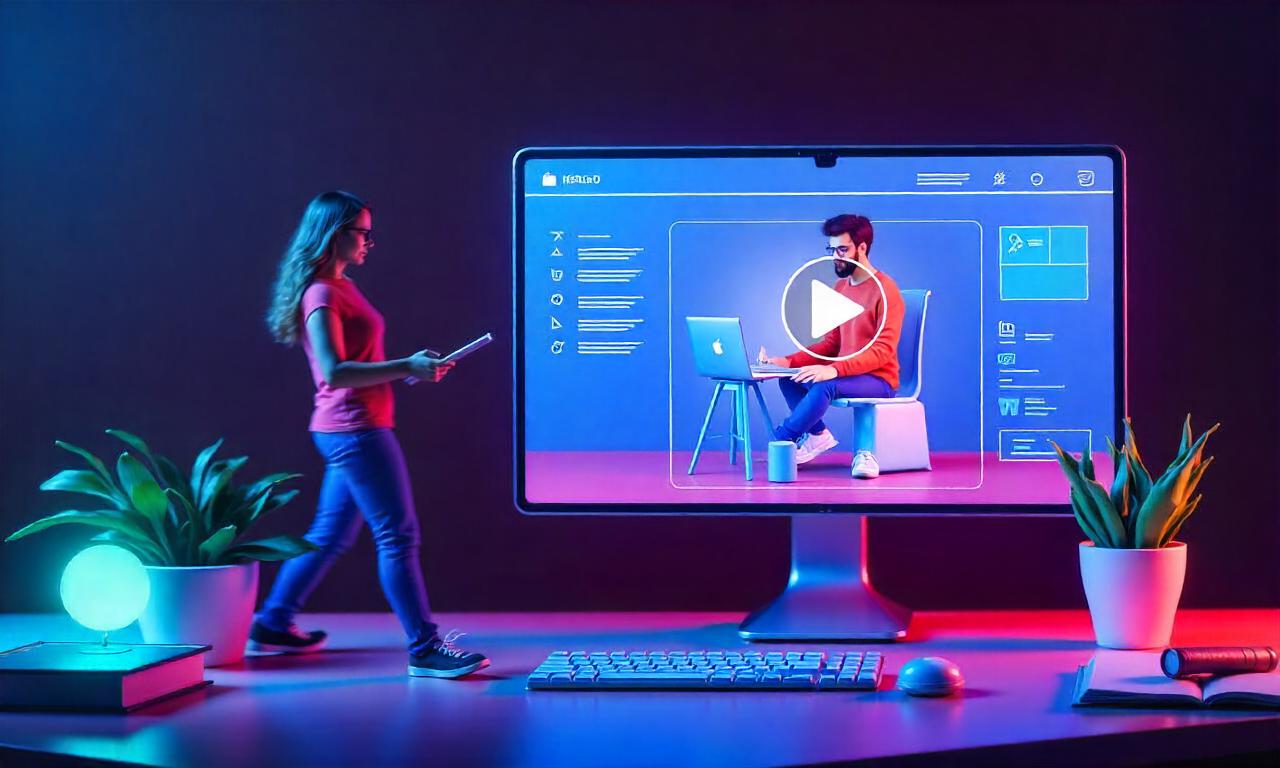
Filming Techniques for Better Results
Filming techniques such as proper framing, lighting, and camera angles can enhance the viewer’s experience. Keep your camera at eye level to maintain a personal connection, and use close-ups when demonstrating small details. Avoid backlighting, which can make your face appear too dark. If you’re filming live, speak clearly and maintain a steady pace to keep your audience engaged.
Step 4: Editing and Finalizing
After filming, the next step is editing and finalizing your how to create a tech tutorial video. This process involves trimming unnecessary footage, adding visuals, and ensuring the final product is polished and professional. Use editing software to refine your content and make it more engaging.
Editing the Footage
Editing the footage is where you bring your how to create a tech tutorial video to life. Start by trimming the video to remove any pauses or mistakes. Use transitions to connect scenes smoothly, and adjust the timing to match your storyboard. If you’re using screen recordings, synchronize the audio with the visuals and add captions for clarity.
Adding Visuals and Text Overlays
Adding visuals and text overlays can help reinforce your message and make your video more informative. Use animations or diagrams to illustrate complex concepts, and add on-screen text to highlight key points. For example, if you’re explaining a code snippet, display the code in a text overlay while you speak. Ensure that all visuals are relevant and don’t distract from the main content.
Including Voiceover and Background Music
Including voiceover and background music enhances the overall quality of your video. A clear, professional voiceover ensures that your instructions are easy to follow, while background music can make the video more engaging. Choose music that complements the tone of your content—calm and focused for technical tutorials, or upbeat for more dynamic topics.
Finalizing and Exporting the Video
Finalizing and exporting the video is the last step in creating a how to create a tech tutorial video. Review your edits to ensure everything flows smoothly and is free of errors. Adjust the resolution and format to suit your platform, such as YouTube or Vimeo. Once satisfied, export the video and upload it.
Adding Subtitles and Captions
Adding subtitles and captions is an excellent way to make your video accessible to a wider audience. It also helps viewers who prefer to watch without sound. Use a subtitle editor to add text that matches your voiceover, and ensure the font size and color are readable. Subtitles can be especially useful for non-native speakers or those with hearing impairments.
Step 5: Publishing and Promoting Your Video
The final stage in the how to create a tech tutorial video process is publishing and promoting your content. Choose the right platform for your video, such as YouTube, Vimeo, or social media channels. Optimize your video’s metadata, including the title, description, and tags, to improve its visibility in search engines.
Choosing the Right Platform
Choosing the right platform depends on your audience and the type of content you’re creating. YouTube is ideal for long-form tutorials, while Instagram Reels or TikTok suits shorter, engaging videos. Consider the platform’s user base and upload features when deciding where to post. For example, if you’re targeting developers, YouTube might be the best choice.
Optimizing for SEO is crucial to ensure your video reaches the right viewers. Use keywords like “how to create a tech tutorial video” in your title and description. Add relevant tags, such as “tech tutorial,” “software tutorial,” or “coding tutorial,” to help your video rank higher in search results. Also, include a detailed description with timestamps to guide users through your content.
Promoting Your Video
Promoting your video involves sharing it on social media, forums, and email newsletters. Engage with your audience by asking questions or encouraging them to comment. Collaborate with other creators or influencers to expand your reach. For example, share your tutorial in a relevant subreddit or tech community.
Gathering Feedback and Iterating
Gathering feedback and iterating helps you improve your skills and future projects. Ask viewers for their thoughts on the video’s clarity, structure, and overall quality. Use their feedback to refine your process and create better tutorials. Remember, the first video is just the beginning—each iteration brings you closer to perfection.
Conclusion
Creating a how to create a tech tutorial video is a multi-step process that requires planning, scripting, filming, and editing. By following this step-by-step guide, you can produce high-quality tutorials that educate and engage your audience. From defining the objective to finalizing the video, each stage plays a vital role in ensuring your content is effective.
Whether you’re a beginner or an experienced creator, the key to success lies in consistency and attention to detail. Use bold and italic text to emphasize important points, and keep your tone friendly and approachable. With practice and dedication, you can turn your tech knowledge into compelling video content.
So, take the time to plan your video, script your content, film with precision, and edit with care. Your effort will pay off in the form of valuable educational resources and a growing audience. Now, it’s time to put your skills into action and start creating!
