
July Inflation Shows Signs of Cooling, Though Challenges Remain for American Households
Goldlaner.com – The pace of price increases across the United States decelerated for a consecutive month, settling at 3.4 percent annually in July. This moderation comes as consumers found some relief at both fuel stations and supermarket shelves, based on fresh figures published Wednesday by the Bureau of Labor Statistics. The Consumer Price Index indicated a modest 0.1 percent monthly gain, aligning closely with what financial analysts had projected.
For Americans who have grown weary of rising costs, this latest snapshot offers a glimmer of hope. Inflation had surged to its highest level in three years merely two months earlier. Yet experts warn that this cooling trend may prove temporary. Even with improved numbers, the cumulative burden of more than five years of elevated prices continues to strain many family budgets. A favorable report alone does not necessarily translate to financial comfort for households that have endured prolonged economic pressure.
Energy and Food Prices Provide Some Relief
Monthly economic indicators have demonstrated considerable volatility recently, particularly regarding energy and gasoline costs. These fluctuations stem largely from the ongoing conflict in Iran, which has disrupted critical shipping routes. As diplomatic discussions have shown progress, both commodity prices and broader inflation have softened over recent weeks. Nevertheless, negotiations remain uneven, and several inflationary pressures loom ahead. Rising oil and fertilizer expenses are expected to permeate through the economy over the coming months.
Gasoline costs declined by 2.9 percent during July compared to the previous month, contributing significantly to the overall moderation. Housing costs also played a crucial role in the cooler readings. The shelter component, representing approximately one-third of the entire Consumer Price Index basket, increased by only 0.1 percent in July. This modest rise occurred even as prices decreased at hotels, motels, and other temporary accommodations.
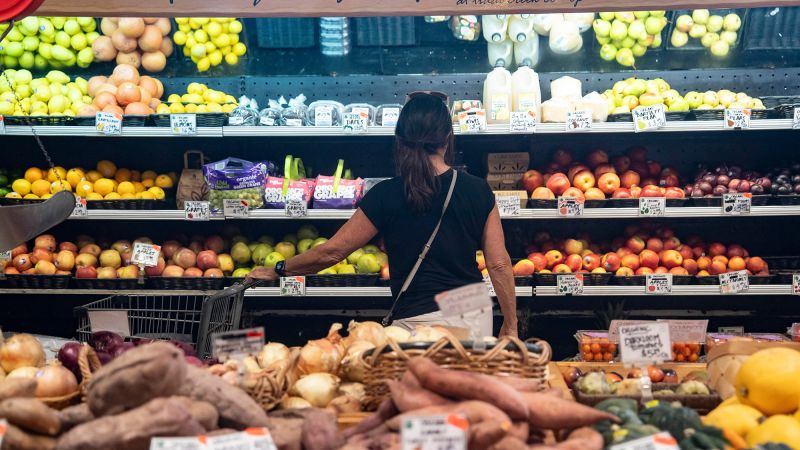
Food inflation similarly eased. Supermarket prices dropped by 0.1 percent in July and now sit below the overall annual inflation rate of 2.7 percent. Retailers have been actively adjusting their pricing strategies to maintain customer loyalty during this period of economic uncertainty.
There was a major effort by big-box discounters and grocery chains to roll back some of their prices. They said they would hold that this summer. The problem is, the upward pressure on prices once the fertilizer and energy costs start to filter in as we get into the fall harvest and into 2027.
Diane Swonk, chief economist at KPMG, explained this dynamic during an interview. Her comments highlight the temporary nature of current price stability and the challenges that lie ahead as seasonal factors begin to influence costs.
Core Inflation and Underlying Pressures
Energy prices have experienced particularly dramatic swings since the Middle Eastern conflict disrupted the Strait of Hormuz, making core inflation measures increasingly valuable for understanding the true trajectory of price movements. Core Consumer Price Index, which excludes volatile food and energy components, advanced by 0.2 percent, pushing the annual rate to 2.5 percent. This figure matches levels last observed in January and February, representing a nearly five-year low at that time.
Despite the encouraging headline numbers, certain underlying pressures continue building. Services-related inflation remains robust, with notable increases in medical services, air travel costs, and automobile repair expenses. These categories reflect broader economic trends that extend beyond simple commodity pricing.
The longer you have an elevated price such as a tariff… it’s more and more handed over to the consumer. I can give you this argument for energy prices.
Andreas Hauskrecht, a clinical professor of business economics at Indiana University, emphasized the persistent concern regarding energy costs. He drew parallels to the comprehensive tariff program implemented by President Donald Trump the previous year, noting that many of those costs have now become embedded in retail pricing structures.
Wage Growth and Market Response
While inflation has moderated in certain sectors, compensation growth has not kept pace with price increases. The most recent employment data revealed that wage gains of 3.2 percent fall short of the rate at which prices continue to climb. This gap means that many workers are experiencing a decline in purchasing power despite earning more in nominal terms.
Lettuce prices experienced their most significant decline on record, dropping 16.4 percent. This dramatic decrease resulted from a cyclosporiasis outbreak linked to certain Taylor Farms products, which caused consumers to reduce their overall lettuce consumption across the category.
Financial markets responded positively to the inflation data. US equities rose modestly on Wednesday morning, with the Dow Jones Industrial Average gaining 50 points, or 0.1 percent. The S&P 500 advanced by 0.3 percent, while the Nasdaq Composite climbed 0.6 percent. Treasury yields declined alongside the US dollar index, which fell 0.15 percent.
Market participants adjusted their expectations for Federal Reserve policy action. According to CME FedWatch data, the probability of a rate increase in September decreased to 38 percent, down from 48 percent the previous day. This shift suggests that investors believe the central bank may have room to remain patient as it evaluates whether the current cooling trend will sustain itself or reverse in subsequent months.
The combination of moderating inflation, stable employment, and potential monetary policy flexibility provides a cautiously optimistic outlook. However, the persistence of certain cost pressures and the ongoing geopolitical situation mean that American households should not yet consider the inflation challenge fully resolved. The road ahead requires continued monitoring of both domestic economic indicators and international developments that could influence prices in unexpected ways.
Related Reading
Frequently Asked Questions
What is US annual inflation cooled to 3 4?
US annual inflation cooled to 3 4 is the main topic of this guide. The article explains the context, practical details, and next steps readers should understand.
Why does US annual inflation cooled to 3 4 matter?
US annual inflation cooled to 3 4 matters because readers are looking for a useful answer, not just a short summary. Good content should match search intent and help them decide what to do next.