
Paramount agrees to delay Warner Bros. Discovery takeover for months
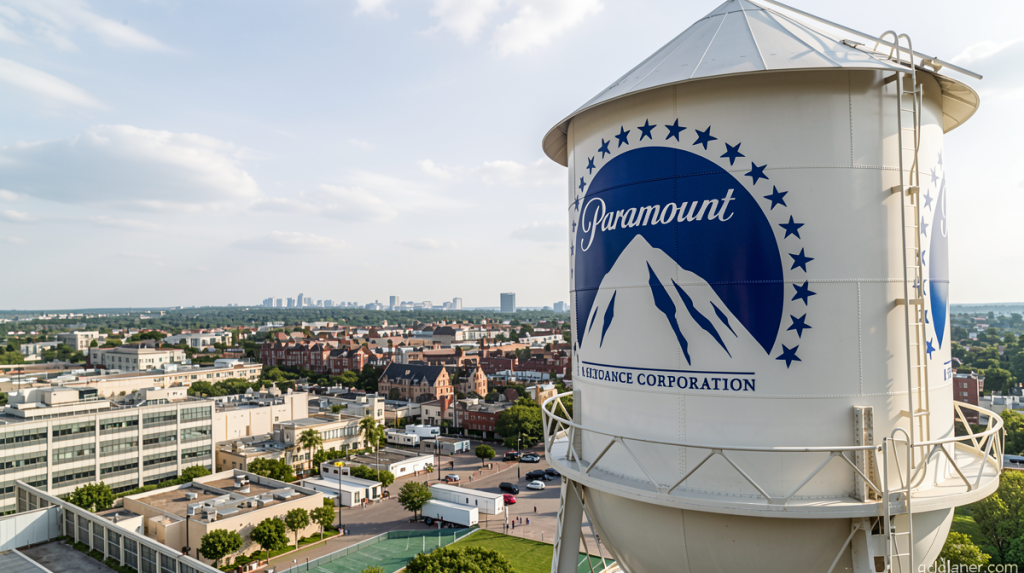
Paramount Postpones Warner Bros. Discovery Acquisition Amid Legal Challenges
Legal Hurdles Force Extended Timeline for Hollywood’s Biggest Deal
Goldlaner.com – Paramount has formally agreed to postpone its acquisition of Warner Bros. Discovery, the parent company of CNN, for an extended period that could stretch well into 2027. The postponement stems from ongoing litigation involving state attorneys general and the Writers Guild of America, which have raised significant concerns about the transaction’s impact on competition.
According to a court submission filed on Friday afternoon, Paramount has consented to hold off on finalizing the massive merger until either an antitrust trial concludes or June 1, 2027 arrives, whichever milestone occurs first. This decision represents a substantial shift from the company’s initial strategy, which envisioned taking control of Warner by the close of September.
The existing merger contract between Paramount and Warner Bros. Discovery is set to expire on March 4, though it contains provisions for automatic extension through June 4, 2027. This extension mechanism provides additional breathing room as both parties navigate the complex legal landscape surrounding the deal.
Market Reaction and Legal Strategy Shift
Friday’s announcement triggered immediate market responses, with shares declining for both Paramount and Warner Bros. Discovery. Despite the setback, the postponement received positive reactions from critics who had opposed the consolidation of media power.
The agreement emerged from extensive discussions among legal representatives for all involved parties. Importantly, it eliminates the August 3 hearing that was scheduled to address the states’ request for a preliminary injunction. Additionally, the Writers Guild of America withdrew its comparable motion, streamlining the legal process ahead.
An executive connected to the matter explained to CNN that Paramount’s legal team concluded plaintiffs would probably succeed at the preliminary injunction phase. Rather than contesting that stage, the company determined it would be more advantageous to proceed directly to a jury trial.
Paramount is saying “let’s go straight to trial in California District Court,” analyst Rich Greenfield of Lightshed Research said.
Judicial Approval and Next Steps
Judge Araceli Martínez-Olguín, who oversees the case, swiftly endorsed the agreement. Court documents indicate that the parties will now coordinate timing for a trial addressing the core antitrust allegations, with a proposed schedule expected by next Friday.
Greenfield observed that even if Paramount faces defeat in District Court, this approach would expedite the appeal process to the Ninth Circuit Court and potentially advance matters to the Supreme Court by 2027.
Paramount characterized the agreement as a “significant win” for the organization, emphasizing that it delivers precisely what the company pursued from the beginning: a direct route to trial grounded in evidentiary findings.
“This is the fastest and clearest way to prove that this transaction is good for competition, good for consumers, and good for creators, a conclusion dozens of competition authorities around the world have already reached,” the company said in a statement.
Financial Implications and Regulatory Landscape
The postponement carries potential financial consequences for Paramount. Under merger terms, the company must begin paying Warner Bros. Discovery shareholders a 25-cent-per-share ticking fee each quarter once the transaction remains unfinished after September 30.
Regulatory approval has already been secured in multiple jurisdictions. The US Department of Justice endorsed the merger last month, while the European Commission provided conditional approval on Wednesday. That European authorization required Paramount to withdraw from a film distribution joint venture with Universal within European markets.
The California lawsuits remain the primary barrier to completion. A coalition comprising twelve state attorneys general contends the merger would diminish competition and negatively impact consumers.
“Our argument against this illegal merger is straightforward: When too few corporations have too much power in markets central to American life, it makes things more expensive, and it makes things worse,” California Attorney General Rob Bonta said in a statement Friday afternoon.
Bonta expressed enthusiasm about continuing the legal battle, noting that Friday’s development represents another substantial victory in their campaign to prevent what they consider an unlawful consolidation.
While the delay does not eliminate the possibility of parties reaching a settlement that would clear the path forward, current indicators suggest the cases are not trending toward resolution. For now, the transaction uniting two of Hollywood’s largest entertainment studios remains in a state of extended suspension, with all eyes on the upcoming trial proceedings in California.
Related Reading
Frequently Asked Questions
What is Paramount agrees to delay Warner Bros?
Paramount agrees to delay Warner Bros is the main topic of this guide. The article explains the context, practical details, and next steps readers should understand.
Why does Paramount agrees to delay Warner Bros matter?
Paramount agrees to delay Warner Bros matters because readers are looking for a useful answer, not just a short summary. Good content should match search intent and help them decide what to do next.
