
KC-135 Stratotanker: Unveiling the Aircraft’s Vital Role in Air Mobility and
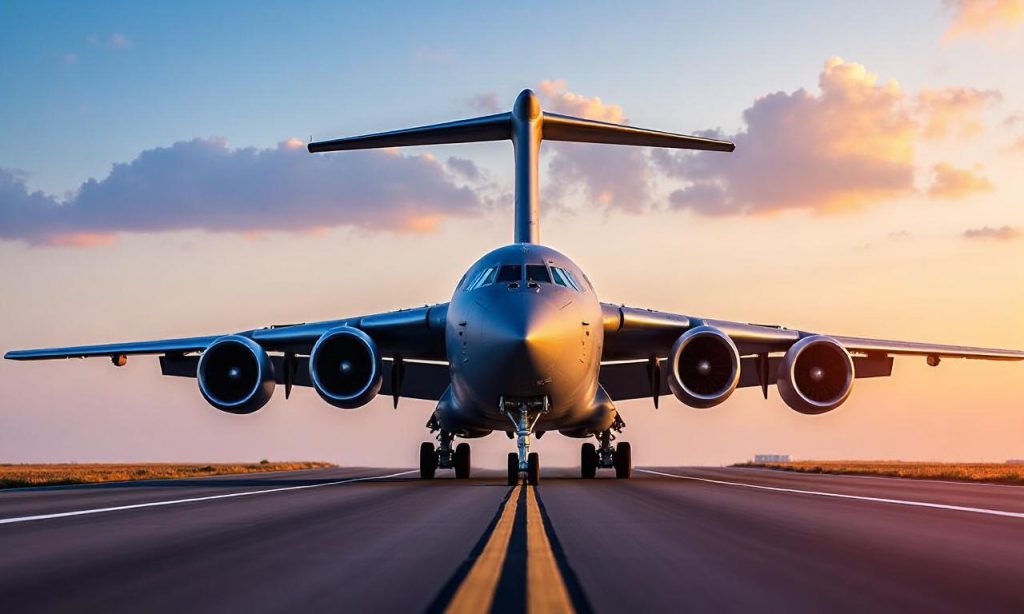
The KC-135 Stratotanker is a cornerstone of modern air mobility, playing a critical role in sustaining military and civilian operations across vast distances. As one of the longest-serving aircraft in the U.S. Air Force, the KC-135 has become synonymous with aerial refueling, enabling the efficient transport of personnel, cargo, and fuel to remote locations. Its ability to extend the range of fighter jets, bombers, and other aircraft has made it an indispensable asset in global military strategies, humanitarian missions, and even commercial aviation. This article explores the KC-135 Stratotanker‘s design, functionality, historical impact, and ongoing relevance in today’s rapidly evolving air mobility landscape.
A Legacy of Innovation: The KC-135's Design and Capabilities
The KC-135 Stratotanker was developed in the 1950s as a response to the need for long-range aerial refueling. Designed by Boeing, this aircraft features a distinctive tanker configuration with a large fuel capacity, allowing it to support multiple aircraft simultaneously during missions. Its robust airframe and reliability have made it a workhorse for the U.S. Air Force, with over 1,000 units produced and still in service today. The KC-135 can carry up to 270,000 pounds of jet fuel, making it vital for extending the operational range of fighter jets and bombers, which otherwise would be limited by fuel capacity.
Strategic Role in Military Operations
The KC-135 Stratotanker operates in diverse environments, from high-altitude flights to low-level refueling missions, ensuring adaptability to any operational requirement. Its primary function is to provide mid-air refueling, but it also serves as a mobile platform for transporting troops, cargo, and even passengers. During the Cold War, the KC-135 was essential for maintaining air superiority, enabling rapid deployment of forces to regions like Europe and Asia. In more recent conflicts, such as the Gulf War and Operation Enduring Freedom, the KC-135 played a pivotal role in sustaining coalition airpower, demonstrating its strategic importance beyond just refueling.
Historical Significance and Global Impact
Since its introduction in the 1950s, the KC-135 Stratotanker has been a symbol of American military dominance. It was the first aircraft to operate in the strategic tanker role, revolutionizing the way air forces conduct long-range missions. The KC-135 has participated in numerous conflicts, including the Vietnam War, where it supported fighter jets and reconnaissance missions. Its versatility has also been leveraged in humanitarian efforts, such as delivering aid to disaster-stricken areas or refueling civilian aircraft during emergencies. Over the decades, the KC-135 has evolved, with upgrades like the KC-135R and KC-135T models enhancing its capabilities and extending its service life.
Modern Upgrades and Continued Relevance
Despite being over 60 years old, the KC-135 Stratotanker remains in active service due to continuous modernization efforts. The KC-135R model, introduced in the 1980s, features advanced avionics, improved fuel systems, and better maintenance capabilities. Meanwhile, the KC-135T model, equipped with a modernized cockpit and enhanced communication systems, ensures the KC-135 can operate effectively in today’s complex air environments. These upgrades have allowed the KC-135 to remain relevant in both peacetime and wartime scenarios, serving as a critical link in global supply chains.
Aerial Refueling: How the KC-135 Supports Combat and Logistics
The KC-135 Stratotanker employs various refueling methods, including the probe-and-drogue system and the conventional refueling hose. These techniques allow it to work with a wide range of aircraft, from small fighter jets to large transport planes. During high-intensity operations, the KC-135 can refuel multiple aircraft simultaneously, significantly reducing the time needed for resupply. Its ability to operate in adverse weather conditions and at high altitudes further underscores its reliability. The KC-135’s refueling capacity not only enhances mission endurance but also reduces the logistical burden of maintaining fuel depots in remote regions.
The KC-135 in Civilian and Commercial Applications
Beyond its military role, the KC-135 Stratotanker has found applications in the civilian sector. During the 1970s, some KC-135 models were converted for commercial use, providing fuel to private aircraft and even transporting medical supplies. This dual-purpose capability highlights the aircraft’s flexibility and the Air Force’s commitment to repurposing its assets for broader national needs. Additionally, the KC-135 has been used in scientific missions, such as carrying research equipment and supporting NASA’s space shuttle programs. Its adaptability ensures that the KC-135 remains a valuable asset in both defense and non-defense operations.
The KC-135 Stratotanker has become a symbol of endurance and efficiency in air mobility. Its ability to operate for thousands of hours without major issues has made it a trusted workhorse for the U.S. Air Force. With a crew of three, the KC-135 can refuel aircraft while maintaining its own speed and altitude, minimizing downtime. The aircraft’s design has also influenced subsequent models, such as the KC-135R and KC-135T, which incorporate modern technology while retaining the core functionality of the original.
Economic and Environmental Considerations
The KC-135 Stratotanker has had a profound economic impact, reducing the need for ground-based fuel storage and enabling more cost-effective deployments. Its longevity has also saved significant resources compared to replacing entire fleets with newer models. However, the KC-135 faces challenges, including aging infrastructure and the need for modernization. To address these, the Air Force has invested in retrofitting programs, such as the KC-135R’s refueling capabilities and the KC-135T’s fuel management systems. These efforts ensure that the KC-135 continues to meet operational demands while remaining economically viable.
The Future of the KC-135 in Air Mobility
As the KC-135 Stratotanker approaches its sixth decade of service, its future remains bright due to ongoing upgrades and strategic importance. The KC-135’s ability to adapt to new technologies, such as digital avionics and automated refueling systems, ensures it will remain a key player in air mobility. Additionally, the KC-135’s role in supporting international coalitions and humanitarian efforts underscores its global significance. While newer aircraft like the KC-46 Pegasus are in development, the KC-135 will likely remain in service for many years, continuing to serve as a backbone of the U.S. Air Force’s operations.
Conclusion
The KC-135 Stratotanker has redefined air mobility since its inception, offering a blend of reliability, versatility, and strategic value. Its role in sustaining military operations, supporting humanitarian missions, and adapting to modern technological advancements highlights its enduring importance. As the KC-135 continues to serve in updated configurations, it remains a testament to the evolution of aerial refueling and the critical need for efficient air logistics.
FAQ Q: What is the primary function of the KC-135 Stratotanker? A: The KC-135 primarily serves as an aerial refueling aircraft, extending the range and endurance of military and civilian aircraft.
Q: How long has the KC-135 been in service? A: The KC-135 Stratotanker has been in active service since the 1950s, making it one of the longest-serving aircraft in the U.S. Air Force.
Q: What are the current models of the KC-135? A: The KC-135’s modern variants include the KC-135R and KC-135T, which feature advanced avionics and improved refueling systems.
Q: How does the KC-135 contribute to global logistics? A: The KC-135 enables rapid deployment of forces and supplies, supporting international coalitions and reducing the logistical burden of ground-based operations.
Q: What challenges does the KC-135 face in modern air mobility? A: The KC-135 faces aging infrastructure and the need for modernization, but ongoing upgrades ensure its continued relevance in today’s aviation landscape.
