
Drone, artillery attacks kill civilians on both sides of Russia-Ukraine border
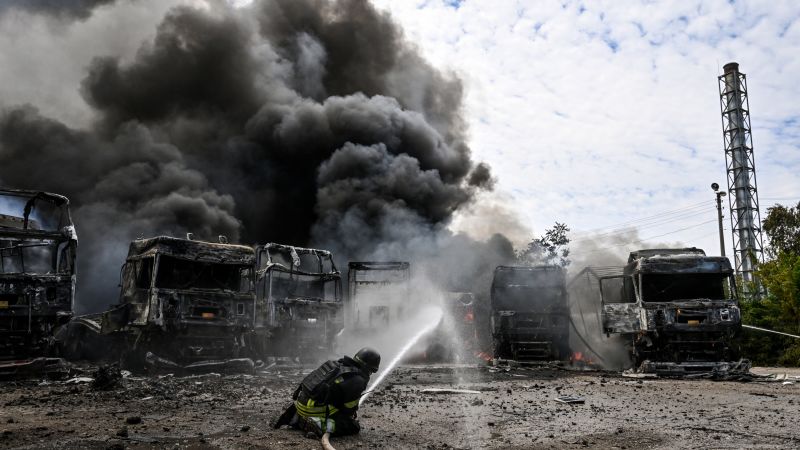
Drone Artillery Attacks Kill Civilians Near Russia-Ukraine Border
Drone artillery attacks kill civilians on both sides of the Russia-Ukraine border, intensifying the human cost of the conflict as strikes target populated areas. Recent incidents highlight the growing use of aerial and ground weaponry to pressure frontline regions, with casualties reported in areas close to the contested frontier. The combination of drones and artillery has become a critical tool for both sides, yet its impact on civilians remains a stark reminder of the war’s indiscriminate nature.
Ukrainian Drones Strike Russian Border Region
In the Russian border region of Bryansk, Ukrainian drones caused two civilian deaths in a village near the frontier, according to acting Governor Yegor Kovalchuk. The victims were reportedly killed in their vehicle when it was struck by a drone attack. Kovalchuk’s statement on Telegram emphasized the increasing threat of Ukrainian aerial operations, underscoring the vulnerability of civilian infrastructure in Russia’s eastern territories.
“Two individuals were killed when a Ukrainian drone hit their car in the village,” Kovalchuk said, noting the challenges of distinguishing military from civilian targets in fast-moving combat scenarios.
Russia’s Defense Ministry reported intercepting 124 Ukrainian drones between 8 a.m. and 8 p.m. local time, indicating a sustained aerial assault. Meanwhile, Moscow Mayor Sergei Sobyanin highlighted the city’s efforts to detect and counter incoming drones, though the number of intercepted units was lower than the total reported by the ministry. These figures suggest a complex escalation of the conflict, with drones playing a pivotal role in shaping the battlefield.
Artillery Attacks Claim Lives in Ukrainian Territory
On the Ukrainian side, the governor of the Dnipropetrovsk Region, Oleksandr Ganzha, confirmed casualties from drone strikes and artillery fire near Nikopol. The town, located across the Dnipro River from the Russian-occupied Zaporizhzhia nuclear plant, has seen frequent attacks in recent weeks. Ganzha’s report reflects the strategic focus on key locations, where combined drone and artillery assaults aim to disrupt Russian operations.
“Over the past day, more than 40 attacks—drone and artillery—were recorded, resulting in one fatality and one injury,” Ganzha stated, pointing to the risks faced by civilians in the region.
Nikopol’s proximity to the Zaporizhzhia plant has made it a prime target for both sides. The use of artillery in conjunction with drones has raised concerns about the safety of nearby communities, as the attacks continue to blur the lines between combat and civilian life. These incidents illustrate the dual threat posed by the combined use of aerial and ground weaponry.
Drone Strikes Target Russian-Controlled Towns
In Ukraine’s Donetsk region, where Moscow-appointed officials administer the area, two civilians were killed in Ukrainian drone strikes on Horlivka and Makiivka. Denis Pushilin, head of the Russian-held areas, shared the details on Telegram, describing the precision of the attacks. The strikes have targeted infrastructure and residential zones, drawing criticism from both sides as the conflict evolves.
“Ukrainian drones struck Horlivka and Makiivka, leaving two civilians dead,” Pushilin noted, stressing the need for enhanced defensive measures in the region.
The attacks on these towns exemplify the shifting tactics of the war, where Ukrainian forces increasingly focus on urban centers and industrial hubs. This strategy has intensified the pressure on Russian forces while also increasing the danger to civilian populations. Pushilin’s acknowledgment of the casualties highlights the ongoing toll of the conflict in areas under Russian control.
Escalating Aerial and Ground Warfare
The coordinated use of drone and artillery attacks has escalated the conflict’s intensity, with civilians caught in the crossfire. In Bryansk, the drone strike on a vehicle underscores the difficulty of protecting civilian lives in areas close to the border. Similarly, artillery attacks in the Dnipropetrovsk Region demonstrate the destructive reach of these operations, which can devastate communities rapidly.
Experts analyze the dual threat of drones and artillery, emphasizing their role in prolonging the war’s impact. While drones offer precision, their use in populated zones raises ethical concerns. Artillery, though less targeted, still inflicts significant harm. Together, these weapons have become central to the conflict, with civilian casualties serving as a grim indicator of their effectiveness and consequences.
Strategic Significance of Targeted Strikes
The strategic importance of drone and artillery attacks extends beyond immediate casualties, influencing the broader dynamics of the war. In the Dnipropetrovsk Region, attacks near Nikopol have drawn attention to the area’s role in military operations. The Zaporizhzhia nuclear plant, under Russian control, remains a symbol of the conflict’s territorial shifts and a potential target for Ukrainian forces.
As the war continues, the balance between military necessity and civilian safety remains precarious. Drone artillery attacks kill civilians in both Russia and Ukraine, reflecting the escalating stakes of the conflict. These strikes not only disrupt supply lines but also serve as a reminder of the human cost of modern warfare, even as both sides press forward with their strategies.
