
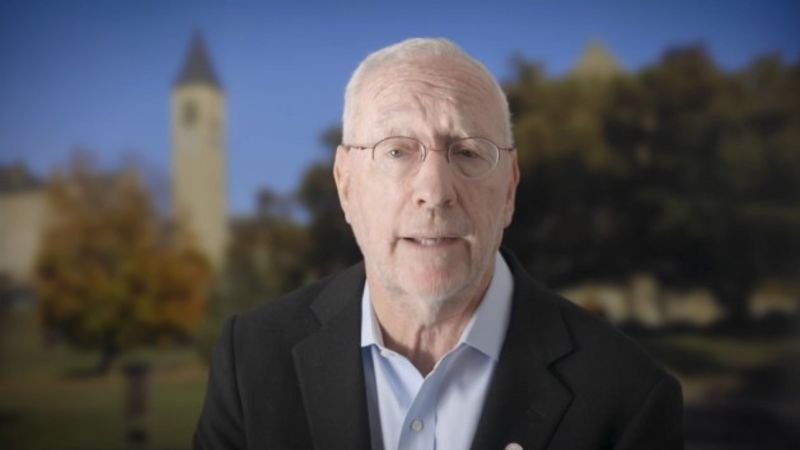
Cornell President Breaks Silence Amid Assault Case Outcry
Goldlaner.com – Cornell president breaks silence amid mounting criticism over the university’s handling of allegations that a student, publicly identified as Jane Doe, was sexually assaulted by multiple men at the Chi Phi fraternity house in October 2024.
The case has attracted renewed scrutiny after messages, investigative records, disciplinary documents and recorded calls offered additional detail about Jane Doe’s account, Cornell’s response and the decisions made after the alleged assault.
Jane Doe reported the incident to campus police and said she had been raped by “8-10 men” at the fraternity house, according to records reviewed during the investigation. That wording did not appear in the six-page statement later provided to prosecutors.
Cornell initially said its police department investigated the allegations and sent all investigative materials to the Tompkins County District Attorney’s Office. The university later amended that account, saying campus police had shared Jane Doe’s sworn statement and a Snapchat screenshot with prosecutors.
Questions About Evidence Provided to Prosecutors
Tompkins County District Attorney Matt Van Houten said criminal charges were not pursued because of Jane Doe’s six-page statement. He later said his office had access to some Snapchat messages exchanged during the alleged assault in a group chat called “Chi Phi Actives.”
One series of Snapchat images includes a photograph of Jane Doe inside a room at the fraternity house during the period when she says the assault occurred. Her account also included an explicit rape allegation from an interview that was not part of the statement sent to prosecutors.
The six-page document described Jane Doe being struck and feeling emotionally pressured. Other materials, however, contained more direct allegations of sexual assault that were not reflected in the statement prosecutors received.
University investigative records indicate the district attorney’s office declined to review additional material collected by Cornell police beyond the signed statement. A Cornell police investigator spoke with a member of the district attorney’s staff on November 25, 2024, after officers conducted further interviews and reviewed chat messages.
“Criminal charges would not be pursued in this case.”
A campus police investigator documented that conclusion in a note about the call. Van Houten later said additional documents gathered by Cornell police were not relevant to his office’s review because prosecutors had what he described as Jane Doe’s complete account.
Cornell Disciplinary Process Draws Attention
The difference between Jane Doe’s initial statement and information developed during the investigation has become central to the public debate. It has raised questions about what evidence was available, when it was shared and whether Cornell, campus police and county prosecutors understood the evidence in the same way.
A heavily redacted, 99-page document detailing evidence reviewed by a Cornell disciplinary panel describes more than 50 interviews. Six of the seven accused men were among those interviewed.
The panel materials support the account that Jane Doe’s understanding of the night changed over time. Her records describe her efforts to piece together events involving numerous people, an unfamiliar setting, alcohol and social pressure.
Three weeks after the incident, Jane Doe contacted the fraternity member who invited her to the house and asked how other men had entered the room. In recorded calls, he did not mention a group-chat invitation. Instead, he said the door was unlocked, the party was crowded and there was nowhere else to go.
“If I wanted to take this somewhere, what y’all did would be classified as gang rape.”
Jane Doe made that statement during one of the calls. Her recordings included conversations with at least three fraternity brothers.
Cornell president breaks silence amid this broader scrutiny as the case highlights the distinct roles of a university disciplinary process and a criminal investigation. A campus process can determine whether students violated institutional rules and impose university sanctions. Prosecutors must decide whether evidence can meet the legal burden required for criminal charges.
A decision not to bring criminal charges does not, by itself, resolve every factual dispute or determine how a university should assess alleged violations of its own policies. The case continues to fuel questions about investigative transparency, communication with survivors and accountability at Cornell.
FAQ: Cornell Assault Case
What is the central issue in the Cornell case? The controversy concerns allegations of sexual assault at the Chi Phi fraternity house, what Cornell police shared with county prosecutors and how the university handled its disciplinary review.
Did prosecutors bring criminal charges? No. The Tompkins County District Attorney’s Office decided not to pursue criminal charges.
Why are Cornell’s disciplinary proceedings important? University proceedings are separate from criminal cases. They consider whether students violated campus rules and may result in institutional sanctions even when prosecutors do not file charges.
What did the Cornell president say? Cornell president breaks silence amid public concern over the university’s response, as the case continues to prompt calls for clarity about evidence-sharing and campus accountability.