
Chicago Bears Season Outlook and Key Players Analysis

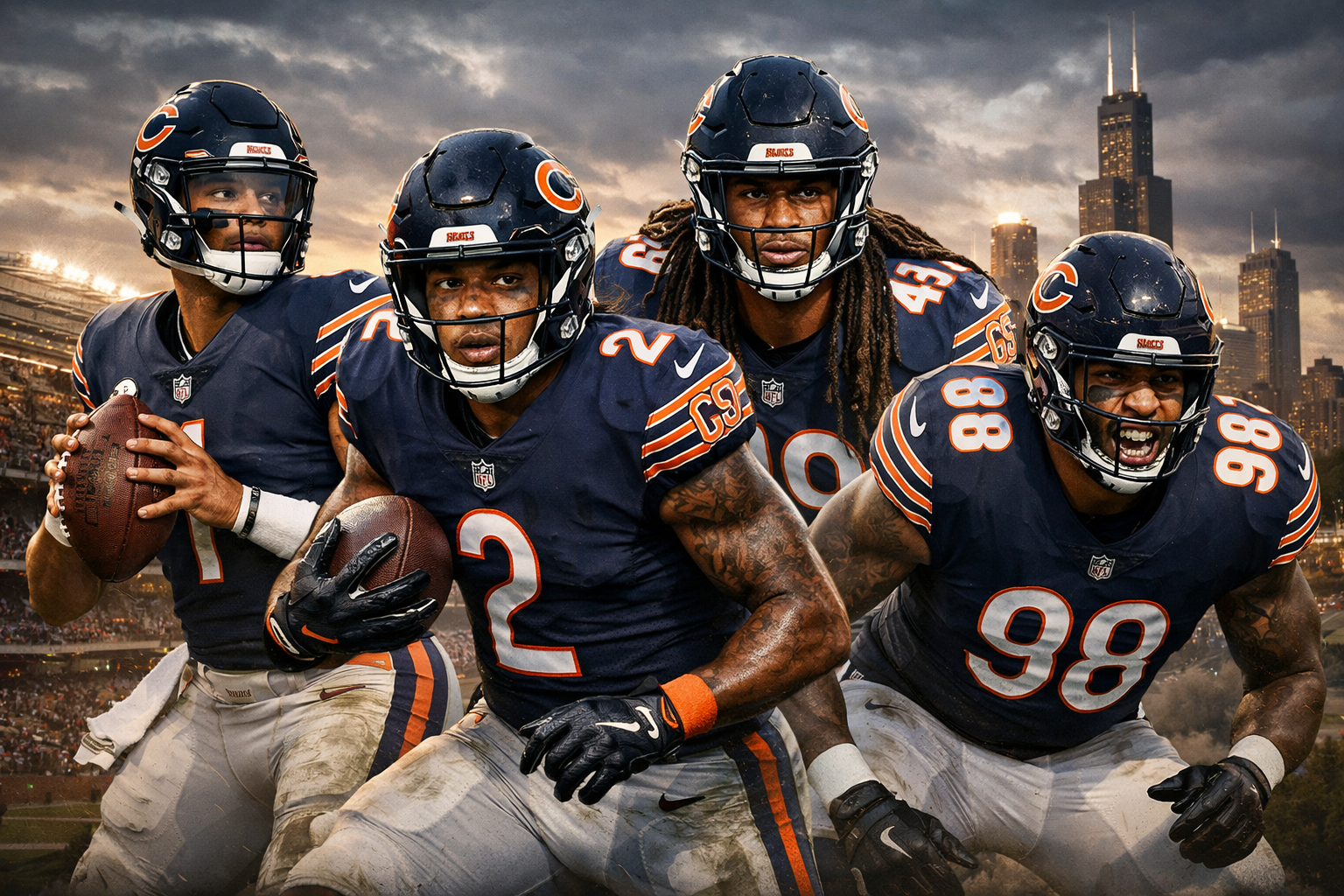
The chicago bears enter the upcoming NFL season with heightened expectations, fueled by roster upgrades, coaching adjustments, and a clearer long-term vision. After several rebuilding years, the franchise appears positioned to compete more consistently within the NFC North. The combination of emerging young talent and strategic veteran additions suggests a team transitioning from development to contention. This season will ultimately test whether the foundation built over recent drafts can translate into meaningful wins.
Offensive Outlook: Building Around a Modern Attack
The offensive trajectory of the chicago bears hinges on stability at quarterback and improved execution across the line of scrimmage. In recent seasons, inconsistency under center limited scoring efficiency and red-zone production. This year, the organization has emphasized protection schemes, quicker reads, and diversified route concepts to maximize offensive rhythm. A stronger commitment to timing-based passing should reduce turnover volatility.
The offensive line remains one of the most critical variables. Protection breakdowns previously stalled drives and forced rushed decisions. By reinforcing both tackle depth and interior strength, the bears aim to create a more balanced offensive identity. Improved pass protection will directly influence third-down efficiency and total yardage output.
The running game continues to serve as a stabilizing force. A versatile backfield capable of both inside-zone power and perimeter stretch plays gives the chicago bears flexibility in play-calling. Establishing consistent ground production will not only control tempo but also open play-action opportunities. Offensive balance remains central to sustaining long drives and limiting defensive exposure.
Key Offensive Players to Watch
Quarterback performance will define the ceiling of the chicago bears offense. Whether through refined pocket presence or improved deep-ball accuracy, growth at this position is essential. The coaching staff has emphasized decision-making discipline and quicker progression reads. If the quarterback can reduce turnovers while maintaining aggressive downfield intent, overall offensive metrics should trend upward.
At wide receiver, the bears possess a promising mix of route technicians and vertical threats. Reliable separation on intermediate routes improves conversion rates, while speed on the outside stretches coverage shells. Tight ends also play a critical role in red-zone production and third-down reliability. The synergy between these pass catchers and the quarterback will determine explosive-play frequency.
The running back corps brings dual-threat capability. A primary rusher capable of absorbing high-volume carries, paired with a pass-catching option out of the backfield, adds schematic flexibility. Screen passes and swing routes function as extended handoffs, reducing defensive pressure. Offensive consistency depends on integrating these skill sets without becoming predictable.
Defensive Strength and Structural Identity
Defense has historically defined the chicago bears brand, and this season aims to reinforce that identity. The front seven carries the responsibility of dictating tempo through pressure and run containment. A disciplined defensive line capable of collapsing pockets without excessive blitzing preserves secondary stability. Maintaining gap integrity will be essential against run-heavy opponents in the division.
Linebacker speed enhances coverage versatility. Modern defensive schemes require second-level defenders who can track tight ends and close quickly on short routes. The bears’ ability to disguise coverage looks and rotate safeties late will determine third-down success rates. Defensive adaptability remains critical in a conference filled with dynamic quarterbacks.
The secondary faces high expectations. Cornerback performance in man-to-man coverage will dictate blitz frequency. Improved communication and reduced blown assignments are mandatory to prevent explosive plays. If the defensive backfield maintains consistency, overall points allowed should decline compared to previous seasons.
Coaching Strategy and Game Management
Coaching cohesion significantly influences the chicago bears season outlook. Offensive and defensive coordinators must align philosophy with personnel strengths. In previous campaigns, schematic mismatches occasionally limited player efficiency. This year, adjustments appear more tailored to roster composition.
Game management decisions, including fourth-down aggression and clock control, reflect a modern analytical approach. Strategic aggressiveness can create possession advantages, but it must be balanced with field-position awareness. Situational play-calling, particularly in two-minute scenarios, will determine close-game outcomes.
Special teams also deserve evaluation. Field position swings often shape momentum in tightly contested divisional matchups. Reliable kicking accuracy and disciplined coverage units can provide hidden yardage advantages. Championship-caliber teams consistently win in these overlooked margins.
NFC North Competition and Playoff Outlook
The path forward for the chicago bears depends heavily on divisional performance. The NFC North features competitive rosters capable of both high-scoring shootouts and defensive battles. Securing home victories within the division remains a prerequisite for playoff contention. A strong start to divisional play can alter season momentum.
Wild card scenarios provide additional pathways, but consistency against conference opponents is required. Turnover differential and red-zone efficiency typically correlate with postseason qualification. If the bears maintain positive turnover margins and convert scoring opportunities at a higher rate, playoff probability increases.
Strength of schedule also factors into projections. Matchups against elite offenses will test defensive depth, while contests versus rebuilding teams offer opportunities to secure critical wins. Navigating these variables requires week-to-week adaptability. Depth across the roster becomes increasingly important during the late-season stretch.
Areas of Risk and Developmental Focus
Despite optimism, the chicago bears must address lingering vulnerabilities. Injury durability remains a primary concern, particularly along the offensive and defensive lines. Depth players will need to contribute meaningfully if starters miss time. Roster resilience often separates competitive teams from playoff-caliber squads.
Turnover control is another focal point. Both forced turnovers and giveaways significantly influenced previous outcomes. A disciplined offensive approach combined with opportunistic defensive play can shift tight games in Chicago’s favor. Emphasizing ball security during critical possessions remains non-negotiable.
Player development also plays a decisive role. Younger contributors must demonstrate measurable improvement in technique and situational awareness. Coaching continuity should accelerate learning curves. Sustained growth across multiple positions will determine whether the team’s trajectory continues upward.
Statistical Benchmarks to Monitor
Evaluating the chicago bears season requires tracking specific performance metrics. Offensive yards per play, third-down conversion percentage, and red-zone touchdown rate provide insight into efficiency. Defensive points allowed per game and quarterback pressure rate reveal structural stability. Turnover differential remains a predictive indicator of win-loss outcomes.
Time of possession can reflect offensive balance and defensive endurance. A sustainable season outlook includes improved scoring margins and reduced late-game collapses. Analysts will monitor whether incremental statistical gains translate into tangible victories.
Consistency across quarters also matters. Teams capable of maintaining performance from opening kickoff to final whistle demonstrate maturity. The bears must avoid early deficits that force one-dimensional play-calling. Balanced production across all phases enhances playoff viability.
Conclusion
The upcoming campaign represents a pivotal chapter for the chicago bears. With strengthened roster depth, refined coaching strategy, and emerging playmakers on both sides of the ball, the organization appears positioned to compete more effectively within the NFC North. Success will depend on quarterback stability, defensive consistency, and disciplined execution in high-leverage moments. If key contributors perform to potential and turnover margins improve, the bears have a realistic opportunity to contend for a postseason berth.
FAQ
Q: Are the chicago bears expected to make the playoffs this season? A: Playoff qualification is possible if the team improves turnover differential, maintains offensive balance, and performs well in divisional games.
Q: Who is the most important player for the chicago bears this year? A: The quarterback is the most critical factor, as consistent decision-making and reduced turnovers directly impact overall team performance.
Q: What is the biggest strength of the chicago bears roster? A: Defensive front pressure and a versatile running game provide structural stability on both sides of the ball.
Q: What area needs the most improvement for the chicago bears? A: Offensive consistency, particularly in red-zone efficiency and third-down conversions, remains a key area of focus.
Q: How competitive is the NFC North for the chicago bears? A: The division is highly competitive, requiring strong home performances and disciplined execution to secure a winning record.
