
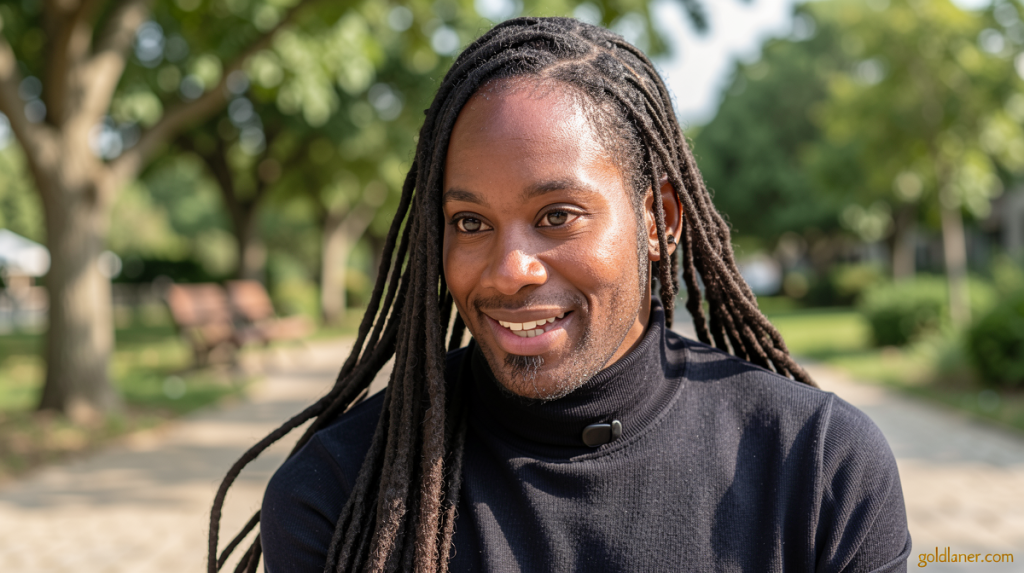
Cambridge Professor Found Dead After Plagiarism Scrutiny
Family Responds to Tragedy
Goldlaner.com – The family of Jason Arday has confirmed that the Cambridge professor found dead after months of intense media scrutiny and plagiarism allegations. Arday, aged 41, was Cambridge University’s youngest ever Black professor and had been widely celebrated until his rapid decline in public standing last month. His family described him as a “gentle man” who endured what they characterized as “sustained abuse” from critics and media outlets.
Jason was subjected to a campaign of sustained abuse for the more than three years since he accepted the role of professor at Cambridge University by those who would leave no stone unturned in their quest to undermine him.
His passing has generated widespread shock across Britain and internationally, with many commentators and public figures arguing that his treatment was disproportionate and, in some cases, racially motivated. The Cambridge professor found dead after the allegations emerged was the subject of hundreds of articles questioning his credibility and attacking his character in both British and international media outlets.
Timeline of Events
Cambridge University initially stood by Arday as speculation intensified, but the prestigious institution’s support gradually diminished. Earlier this month, the university launched an internal inquiry into the allegations. While officials stated that Arday would remain in his position during the investigation, he chose to resign immediately.
In an open resignation letter published in early August through the Good Law Project—a UK-based non-profit organization dedicated to fighting injustice across the country—Arday acknowledged the persistent criticism he had received from the press. He wrote that while criticism is “an inevitable part of academic life,” his experience had “gone far beyond scholarly disagreement.” The relentless accusations, speculation, and public commentary, he noted, had taken a “profound toll on me and on those I love.”
Public Response and Mental Health Concerns
British Prime Minister Andy Burnham addressed the nation on Saturday, describing Arday’s death as “a tragedy on so many levels.” Speaking to reporters, Burnham urged caution against hasty conclusions: “It’s not a moment for any rushing to judgement. It’s a moment for reflection, I would say, reflecting on how things came to this.”
Sir Simon Baron-Cohen, the Cambridge-based clinical psychologist and director of The Autism Research Centre, provided insight into Arday’s deteriorating mental health since the allegations emerged. Speaking on BBC Radio 4’s “Today” program on Saturday, Baron-Cohen stated: “He really wasn’t coping. He was being subjected to relentless scrutiny, including ridicule, discrediting absolutely every detail of his life.”
He was an incredibly kind and gentle, and caring and generous, man but he has been portrayed in the media as a plagiarist and a liar and a fraud. He needed and deserved safeguarding and support and reasonable adjustment every step of the way.
Baron-Cohen confirmed he had maintained communication with Arday following his resignation and received a final voice message from him on Friday morning. “His last voice note was that he couldn’t go on,” the psychologist recounted. He emphasized that while investigations must proceed to understand how the tragedy occurred, “there has to be accountability at lots of levels.”
London Mayor Sadiq Khan characterized Arday as a victim of “public shaming.” “I’m devastated for the family and friends of Jason Arday. He faced an unacceptable public hounding and campaign of abuse,” Khan said. “Jason Arday was the victim of a pernicious public shaming that other people in his position simply wouldn’t have faced. His death was a tragedy, but once again it should be a wake-up call for all of us.”
Broader Implications for Academia and Media
Daniel Kebede, general secretary of the National Education Union, described Arday’s experience as “a public and brutal takedown that unleashed a tirade of racism by the worst elements of the British media and the right wing commentariat.” Many commentators have expressed concern regarding the press treatment of Arday since the allegations entered the public domain.
Frequently Asked Questions
When did Jason Arday die? Arday died on Friday, August 15, 2026, following months of intense media scrutiny over his academic record.
What were the main allegations against him? The primary allegations involved plagiarism and questions about the credibility of his academic work, which led to hundreds of articles questioning his professional standing.
How old was Jason Arday? He was 41 years old at the time of his death, making him Cambridge University’s youngest ever Black professor.
What did his family say about his death? His family described him as a “gentle man” who endured “sustained abuse” and requested that the press respect their privacy and cease what they termed a “campaign of harassment.”
Did Cambridge University conduct an investigation? Yes, the university launched an internal inquiry into the allegations earlier this month, though Arday had already resigned from his position.