
Appeals court reverses decision that freed pro-Palestinian Columbia activist Mohsen Mahdawi
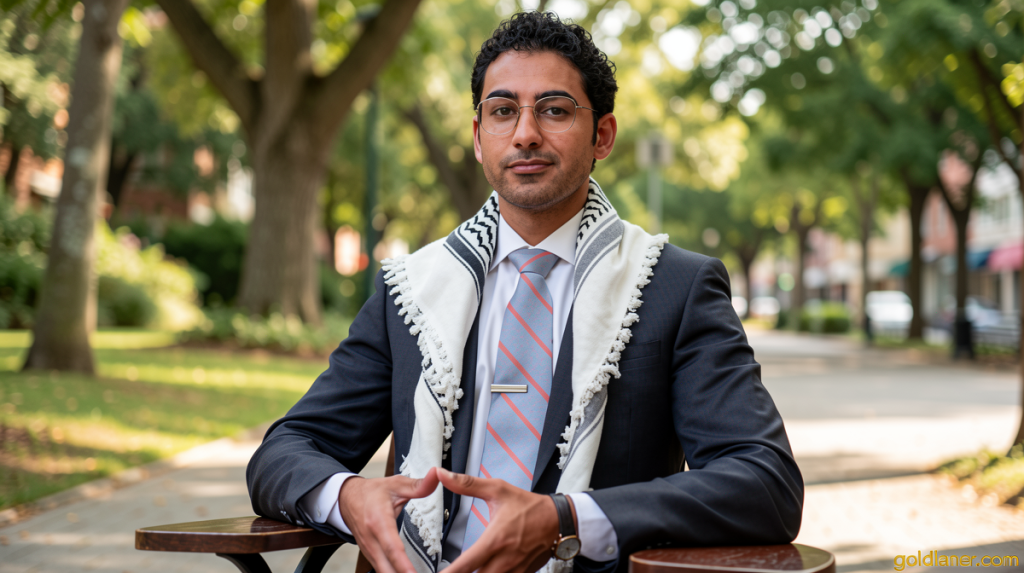
Appeals Court Reverses Decision That Freed Columbia Activist
Goldlaner.com – The appeals court reverses decision that had previously secured the release of Mohsen Mahdawi, a Columbia University student and pro-Palestinian activist, marking a pivotal moment in his ongoing legal battle with federal authorities. This significant judicial reversal means that Mahdawi, who had been living freely for over a year, now faces the possibility of being detained once again as immigration officials pursue his deportation. The ruling comes after months of legal proceedings that have drawn national attention to the intersection of student activism, immigration policy, and constitutional rights.
Background of the Case
Mahdawi, an Iranian-American student at Columbia University, became the center of a high-profile immigration case when federal authorities moved to deport him based on his activism and alleged ties to pro-Palestinian organizations. His case gained widespread support from students, faculty members, and civil rights advocates who argued that his deportation would set a troubling precedent for student activists across the country. The initial ruling that freed Mahdawi was celebrated by supporters as a victory for free speech and academic freedom.
The Trump administration’s decision to pursue Mahdawi’s deportation was rooted in concerns about his public activism and alleged associations with organizations deemed problematic by federal officials. Throughout the legal proceedings, Mahdawi’s legal team has consistently argued that his activism is protected under the First Amendment and that his deportation would constitute political persecution rather than legitimate immigration enforcement.
Implications of the Reversal
The appellate court’s decision to reverse the lower court’s ruling has significant implications for both Mahdawi personally and for the broader landscape of student activism in America. Legal experts suggest that this reversal could embolden federal authorities to pursue similar cases against other student activists who have been granted relief from deportation proceedings. The decision also highlights the ongoing tension between immigration enforcement priorities and the protection of constitutional rights for non-citizen residents.
“This case represents more than just one student’s fight against deportation,” noted a prominent immigration attorney familiar with the proceedings. “It speaks to fundamental questions about who belongs in this country and what rights we afford to those who contribute to our society through education and civic engagement.”
Columbia University has remained actively involved in supporting Mahdawi throughout the legal process, with faculty members and administrators publicly advocating for his right to remain in the United States. The university community has organized rallies, letter-writing campaigns, and other forms of solidarity to demonstrate their support for the student activist.
Legal analysts predict that Mahdawi’s case may continue to evolve through multiple levels of the judicial system, with both sides preparing for extended litigation. The outcome of this case could potentially establish important precedents for how federal immigration authorities balance enforcement priorities with the rights of student activists and other non-citizen residents who are deeply engaged in public discourse and civic life.
