
Almost 30 Years After Tupac: Murder Trial Finally Begins in Las Vegas
A New Chapter for Hip-Hop’s Most Enduring Cold Case
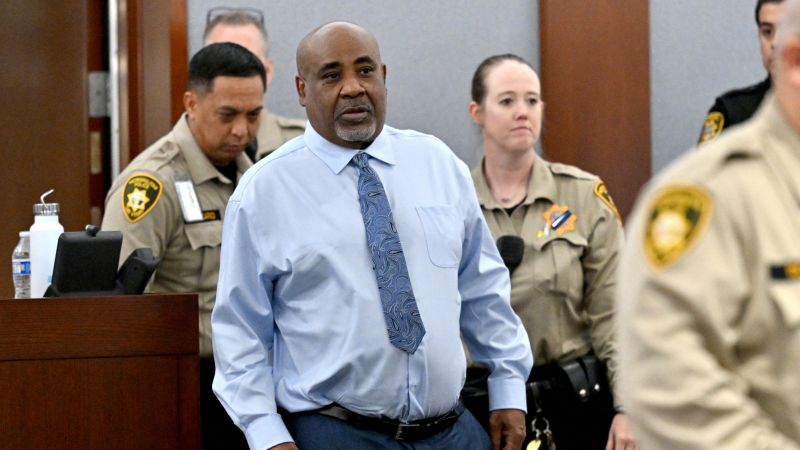
Goldlaner.com – Almost 30 years after Tupac was killed, the long-awaited trial has officially begun. More than twenty-eight years have passed since the world lost one of its most influential musical voices, but the quest for answers regarding Tupac Shakur’s untimely death continues. In a Las Vegas courtroom, twelve jurors and four alternates have been formally selected to evaluate whether Duane “Keffe D” Davis bears responsibility for the rapper’s murder. This historic proceeding marks the first time anyone has faced formal charges in connection with the shooting that claimed Shakur’s life near the Las Vegas Strip.
The jury composition reflects a cross-section of the community: ten women and six men were chosen from over one hundred Clark County residents who were summoned from their everyday routines. Among those selected are individuals from various walks of life, including a self-improvement coach and a postal worker. These ordinary citizens now carry the weight of potentially settling one of hip-hop’s most persistent questions about who was responsible for the shooting that occurred on September 7, 1996.
The Defendant and the Charges
Duane Davis, now 63 years old, stands as the sole individual to face legal action regarding Shakur’s death. Prosecutors have built their case around the assertion that Davis orchestrated the fatal shooting rather than personally firing the weapon that killed the twenty-five-year-old artist. Central to their argument is Davis’s own memoir, titled “Compton Street Legend,” which prosecutors contend contains admissions about his role in the events leading to the murder.
The presiding judge has determined that both the memoir and Davis’s earlier statements to police may be presented as evidence during the trial. Interestingly, the judge has characterized the book as a work of fiction, yet still deemed it admissible. Davis has entered a plea of not guilty to first-degree murder committed with a deadly weapon, with the additional allegation that he acted to promote, further, or assist a criminal gang.
Courtroom Atmosphere and Cultural Significance
The courtroom on the second floor of Nevada’s eighth judicial district courthouse became a gathering place for Tupac’s devoted followers. Attendees arrived wearing shirts featuring the late rapper, and some displayed tattoos peeking from beneath their sleeves. By the second day of proceedings, a sign had been posted with strict guidelines regarding appropriate attire. The notice specified that clothing, hats, buttons, pins, or other items displaying names, photographs, images, messages, or symbols connected to the case would not be permitted inside.
This visual celebration of Shakur’s memory underscored the cultural significance of the trial. The rapper, who died at just twenty-five years old, had already achieved icon status in hip-hop before his passing. His music, characterized by thoughtful commentary on social issues and universal themes such as heartbreak, continues to resonate with audiences decades after his death. Almost 30 years after Tupac’s death, fans remain eager for closure.
Jury Selection and Legal Process
During the extensive jury selection process, potential jurors were questioned on subjects directly relevant to the case, including gang affiliations, firearms, rap music, and the reliability of human memory. Chief Deputy District Attorney Binu Palal noted throughout the questioning that seating a jury entirely composed of individuals who had never heard of Shakur would be nearly impossible given the artist’s pervasive presence in popular culture.
The youngest juror seated for the trial is twenty-one years old, having been born nine years after the rapper’s death. Despite his youth, he expressed familiarity with Shakur’s work and mentioned listening to the artist when seeking a “West Coast feel.” Davis appeared in court throughout the entire jury selection period, maintaining a quiet and focused demeanor as he followed each juror’s responses to questions posed by Judge Carli Kierny and the attorneys representing both sides.
“It’s very important that I’m here,” said Darryl Harper, one of Shakur’s former labelmates at Death Row Records, who traveled from Georgia specifically for the trial. “I want fans to know I was here, still supporting Tupac.” Harper added that he hopes for justice for his friend while also wanting “them to have the right person too – I don’t want them to get just anyone to say they solved the Tupac case.”
What Lies Ahead
Opening statements are scheduled to commence on Monday, with the trial expected to span four to five weeks. On the initial day of jury selection, Davis made the strategic decision to waive his right to have the jury determine his sentence. Should he be found guilty, the judge alone will impose the punishment, which could range from life imprisonment to the death penalty depending on the circumstances.
Frequently Asked Questions
Why is this trial happening almost 30 years after Tupac’s death? New evidence and a renewed investigation led to charges against Duane Davis, making this the first formal trial related to the rapper’s 1996 murder.
Who is Duane “Keffe D” Davis? Davis is a former Crip gang member from Compton who prosecutors allege orchestrated the fatal shooting of Tupac Shakur in Las Vegas.
What evidence will be presented in court? Key evidence includes Davis’s memoir “Compton Street Legend,” police statements, and testimony from witnesses and former associates.
How long will the trial last? The trial is expected to span four to five weeks, with opening statements beginning on Monday.
What happens if Davis is found guilty? Since Davis waived his right to a jury sentencing, Judge Carli Kierny will determine the punishment, which could include life imprisonment or the death penalty.