
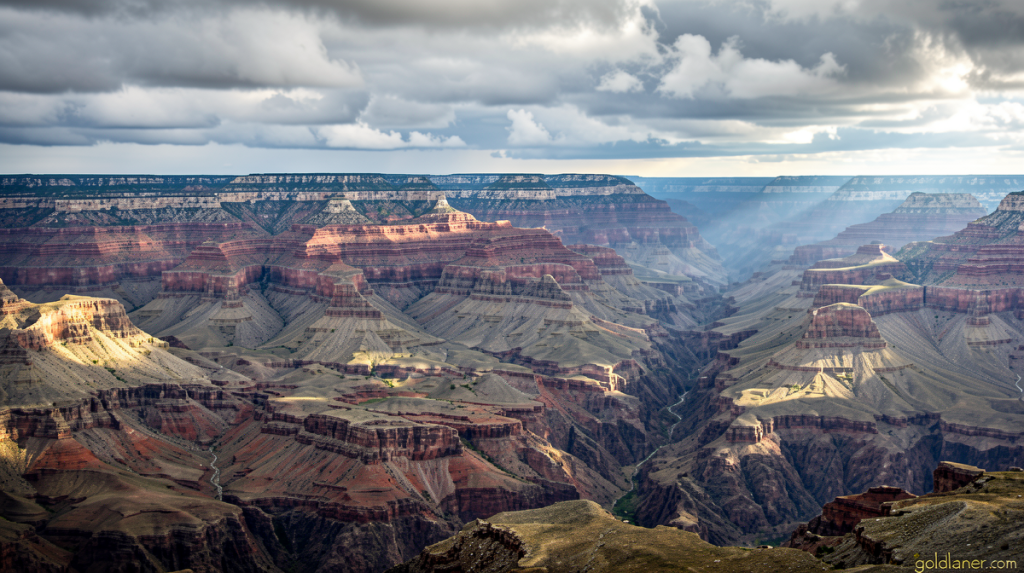
Flash Flood Leaves Dozens Evacuated and Up to 15 Hikers Unaccounted for in Grand Canyon
Goldlaner.com – A violent flash flood tore through one of the most heavily trafficked corridors of Grand Canyon National Park on Saturday, scattering debris across Bright Angel Creek and leaving park rangers scrambling to locate hikers who may still be stranded below the rim. As of Sunday, at least 62 visitors had been pulled from the affected zone, while approximately 15 people remained unaccounted for — a figure the National Park Service revised downward from an earlier working estimate of 20. No injuries had been confirmed as of Sunday afternoon, though the search continued under difficult terrain conditions.
The event struck Bright Angel Canyon and the Phantom Ranch area, a stretch of the canyon floor that draws thousands of day-hikers and multi-day backpackers each summer. Rangers described it as a “significant flash-flood event,” a classification that signals more than a routine creek rise: in narrow canyon walls, even modest rainfall upstream can translate into a wall of water and debris within minutes, giving downstream walkers little time to react.
Infrastructure Damage and Trail Closures
The physical toll on the canyon’s trail network was severe. Park officials stated that nearly every footbridge spanning Bright Angel Creek was destroyed, effectively severing hiker access across the waterway and cutting off the primary route along the Bright Angel Trail — the single most popular hiking corridor into the canyon. The force of the floodwaters also widened the creek bed itself, carving out what observers described as a new river rapid, a dramatic reshaping of a waterway that had maintained a relatively stable course for years.
For visitors who rely on the Bright Angel Trail to descend to the canyon floor and back within a single day, the loss of those crossings means the route is effectively impassable until repairs are completed. Multi-day backpackers who had planned to camp along the creek face the same disruption, and park staff are rerouting or suspending segments of the trail pending safety assessments.
Evacuation and Ongoing Search
Additional evacuations were scheduled for Sunday out of Cottonwood Campground and Phantom Ranch, coordinated between Grand Canyon National Park staff and the Arizona Department of Public Safety. Helicopters played a central role in extracting stranded visitors from locations where foot access had been eliminated by the flood.
The National Park Service urged anyone with information about hikers or backpackers who may have been in the affected zone to reach out through the agency’s tip line. In a canyon environment where cell coverage is patchy and trail markers can be obscured by debris, outside knowledge about who was on the trail and where they intended to camp can be the difference between a quick resolution and a prolonged search.
A Hiker’s Account
David Gregory, who was hiking with a small group when the flood cut their trip short, described the moment the situation became unmistakable.
“We realized the creek near camp was black with debris and flowing rapidly,” Gregory said.
His group was lifted out by helicopter and transported to a local high school before being arranged with a hotel for the night — a sequence that illustrates the layered logistics behind a canyon evacuation: extraction, staging, and temporary shelter, all executed within hours of the flood peak.
Weather Context and Forward Outlook
The flooding was the culmination of a series of storms that battered the Grand Canyon on Saturday, beginning in the early morning and returning in the evening. Approximately one inch of rain had accumulated over the preceding 24 hours. By Sunday, showers had shifted largely to the north side of the canyon, where rainfall rates as high as one inch per hour were observed — a rate sufficient to generate rapid runoff in the steep, sparsely vegetated terrain above the canyon floor.
Rangers warned that additional storms were possible overnight into early Monday. Because the ground was already saturated and the creek bed had been reshaped, any further rainfall carried an elevated risk of renewed flash flooding, debris flows, rockfall, and rapidly changing trail and river conditions. Visitors already in the park were advised to monitor weather updates and heed ranger instructions without delay.
The Grand Canyon’s summer monsoon season, typically running from mid-July through September, makes flash flooding a recurring hazard rather than a one-time anomaly. The canyon’s geology — steep walls, narrow drainage channels, and limited vegetation to slow runoff — means that storms occurring even miles upstream can deliver destructive water volumes to trail users below within a matter of minutes. The Saturday event underscores why park officials treat creek crossings as high-risk points and why trail closures following flood events are implemented swiftly, sometimes before the full extent of damage is known.
Related Reading
Frequently Asked Questions
What is 15 people may be missing after?
15 people may be missing after is the main topic of this guide. The article explains the context, practical details, and next steps readers should understand.
Why does 15 people may be missing after matter?
15 people may be missing after matters because readers are looking for a useful answer, not just a short summary. Good content should match search intent and help them decide what to do next.