
A Bathing Revolution in the World’s Largest Department Store
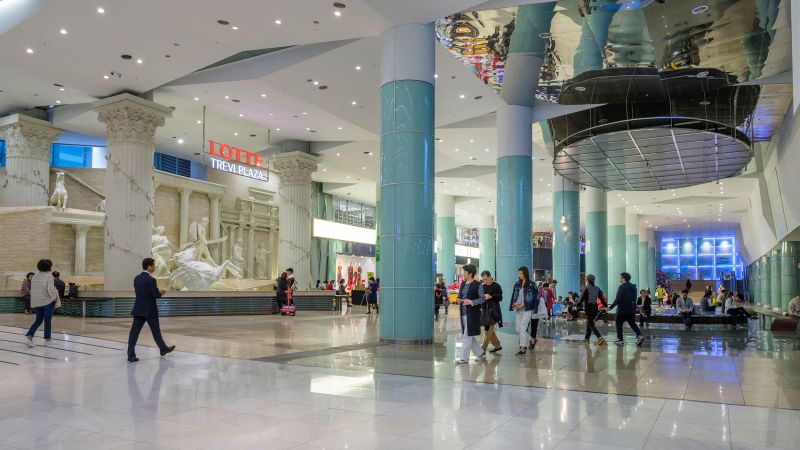
Goldlaner.com – Visitors to South Korea’s southern coastal city of Busan can now experience something truly extraordinary: a traditional communal bathing culture housed within the world’s largest department store. The Shinsegae Centum City complex, a striking silver and white architectural marvel that resembles either a luxury condominium tower or a contemporary design museum, contains within its 3.16 million square feet of retail space a complete jjimjilbang experience that has become increasingly popular among both locals and international tourists.
While American shoppers typically associate mall visits with grabbing a slice of pizza from Sbarro or browsing T-shirt racks at the Gap, Korean mall culture offers something far more immersive. The jjimjilbang, a term derived from two Korean words meaning “heated therapy” and “room,” represents a unique fusion of Japanese onsen traditions and Finnish sauna practices. This cultural institution has evolved significantly since its origins, transforming from simple heated floor spaces into comprehensive wellness destinations.
Stepping Into the World of Spa Land
Behind the polished Chanel makeup counters and endless rows of designer handbags lies an unassuming black glass door that leads to Spa Land. Unlike conventional spas where guests retreat to private rooms for pampering sessions, this facility embraces communal bathing in its most authentic form. Visitors enter gender-separated areas, remove their clothing, and immerse themselves in one of numerous heated pools offering various mineral compositions and therapeutic benefits.
The experience mirrors scenes familiar to fans of K-Pop Demon Hunters, where characters wrap towels around their hair and relax together in warm waters. However, the true magic unfolds after the soaking period concludes. A comprehensive full-body scrub transforms visitors, leaving skin feeling remarkably smooth and rejuvenated, as if reborn with fresh, baby-soft complexion.
Historical Roots in Busan
The jjimjilbang tradition traces its origins to Korea’s Joseon dynasty, when heated rooms served as spaces for relaxation and recovery from illness. Traditional Korean homes utilized ondol, an ingenious underfloor heating system where hot air circulated beneath stone floors, allowing residents to lie directly on warm surfaces during cold months. This practice created a deeply communal approach to warmth and healing that became integral to Korean daily life.
As South Korea modernized rapidly throughout the twentieth century, urban populations migrated from traditional houses to apartment complexes equipped with centralized heating. Many residents found this modern convenience lacking something essential from their ancestral homes. According to Lee In-hye, author of “History of Bathing,” a group of Busan women responded to this cultural shift by recreating ondol experiences in shared buildings, establishing what would become the modern jjimjilbang concept.
Relaxing and recovering from illness in heated rooms is a concept that dates to Korea’s Joseon dynasty.
From Local Innovation to National Phenomenon
The Busan innovation quickly gained momentum, spreading to Seoul’s densely populated Gangnam neighborhood where urban dwellers sought respite from crowded living conditions. By July 1995, the South Korean government formally recognized jjimjilbangs through legal guidelines, legitimizing this cultural practice and ensuring standardized quality across the country.
Today, thousands of jjimjilbangs operate throughout South Korea, each offering expanded services to attract and retain patrons. These establishments have evolved into full-service wellness centers featuring beauty treatments, snack bars, nail salons, cafes, and dedicated sleeping rooms. Some facilities incorporate salt, clay, or charcoal saunas alongside traditional heated pools, creating comprehensive therapeutic environments where visitors can spend entire days without needing to interact with the outside world.
Community and Body Positivity
While disrobing in shared spaces may initially seem uncomfortable for foreign visitors, many discover the experience profoundly empowering. Multigenerational groups of women frequently visit together, creating scenes where grandmothers, mothers, and granddaughters chat and soak alongside one another. Friends assist each other with hair styling, while younger women help older companions navigate slippery pool edges safely.
This communal atmosphere fosters genuine body positivity that transcends mere trendiness. The acceptance and warmth found within jjimjilbang walls reflect broader Korean cultural values regarding community, respect for elders, and collective wellbeing. Such spaces allow people from all walks of life to share experiences without judgment, creating bonds that extend beyond the bathing experience itself.
Tourism and Global Appeal
The global phenomenon known as hallyu, or the Korean Wave, has dramatically increased international interest in South Korean culture, cuisine, entertainment, and beauty products. A decade ago, most foreign travelers spent only one or two days in Seoul before continuing their journeys. Today’s visitors increasingly explore beyond the capital, discovering destinations like Busan that offer more relaxed atmospheres while maintaining authentic cultural experiences.
Busan’s geographical advantages extend beyond its laid-back charm. Natural spring water pumped from deep underground feeds the city’s jjimjilbangs, providing mineral-rich bathing experiences that enhance therapeutic benefits. For first-time visitors to South Korea or those new to communal spa culture, Shinsegae Centum City Spa Land offers an ideal introduction through its English-friendly staff, convenient location, and comprehensive facilities that showcase the best of Korean bathing traditions.
The juxtaposition of ancient bathing customs within the world’s largest department store represents more than commercial innovation—it embodies Korea’s ability to honor tradition while embracing modernity. As international tourism continues growing, such cultural institutions serve as bridges connecting visitors to authentic Korean experiences that extend far beyond shopping and sightseeing.
Related Reading
Frequently Asked Questions
What is Getting naked in the world s largest?
Getting naked in the world s largest is the main topic of this guide. The article explains the context, practical details, and next steps readers should understand.
Why does Getting naked in the world s largest matter?
Getting naked in the world s largest matters because readers are looking for a useful answer, not just a short summary. Good content should match search intent and help them decide what to do next.