
Remember when David Beckham’s sarong seized a nation?
Remember when David Beckham’s sarong seized a nation?
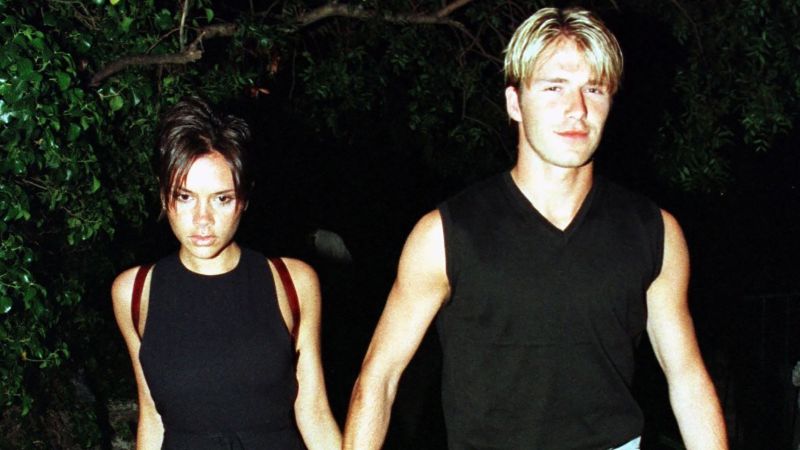
Remember when David Beckham s sarong – In the summer of 1998, a seemingly mundane photograph of a soccer star and his pop singer girlfriend strolling through the streets of France captured the nation’s imagination. The image, taken during the World Cup, showed David Beckham and Victoria Adams, then known as “Posh Spice,” in relaxed attire—tanned, wearing casual black tops and trousers, and sandals. Yet, what made this moment unforgettable was Beckham’s choice of clothing: a patterned sarong wrapped around his waist. The sight of a top-tier footballer in such a garment sparked a media frenzy that would echo through British culture for years to come.
A Fashion Statement That Shook the Nation
The Sun, a leading tabloid at the time, hailed Beckham’s sarong as a bold declaration of style, proclaiming, “Beckham has got his Posh frock on.” The newspaper paired the headline with a full-page photo of the couple, highlighting the dramatic shift in how a male athlete was perceived. This was no ordinary accessory—it was a Jean Paul Gaultier wrap, a symbol of androgyny that defied the rigid expectations of traditional masculinity in sports.
“To see a man like that blurring with gender boundaries as part of this new metrosexual movement was quite shocking and exciting for people,” said Stephen Doig, men’s style editor at The Telegraph, reflecting on the cultural impact of the moment.
At the time, the sarong was more than a fashion choice—it was a cultural phenomenon. The image encapsulated the transition of British society from the 1980s’ hyper-masculine “lad culture” to a more fluid, fashion-conscious era. Beckham’s appearance, coupled with Adams’ celebrity status, became a focal point for debates about identity, style, and the evolving role of men in public life.
The Metrosexual Revolution and Tabloid Mania
Beckham’s sarong was emblematic of a new generation of men who embraced a blend of casual and stylish attire, challenging the notion that athletic prowess required a uniform look. The phrase “metrosexual” had only recently entered the lexicon, and the couple’s image helped cement its place in mainstream discourse. This shift was particularly notable in a country where football was deeply tied to traditional masculinity, with fans often idolizing players for their rugged appearance and physicality.
“A culture that would absolutely raise its brows at a man in a skirt,” noted Lauren Cochrane, a senior fashion writer at The Guardian, emphasizing the surprise and intrigue the sarong generated.
The tabloid press, known for its sensationalist approach, seized on the moment with fervor. In a “Wild West” media landscape, where headlines could shift overnight, Beckham’s sarong became a symbol of both rebellion and allure. The incident also underscored the public’s fascination with Beckham’s personal life, blurring the lines between sports and celebrity culture. As Stephen Doig explained, “It was a public appetite like we’ve never seen before for the two of them feeding this machine.”
The photo had been taken just a year after Princess Diana’s tragic death, a time when the royal family’s influence on public taste was still palpable. Beckham, who had become a global icon, was suddenly thrust into the spotlight as a modern-day figurehead. His relaxed demeanor and fashion-forward choices made him an unexpected target for scrutiny, yet they also made him a beloved symbol of a changing era.
Beckham’s Legacy and the Birth of a Brand
Over time, Beckham’s sarong has become a defining moment in his career, as well as a testament to the power of fashion in shaping public perception. The incident not only highlighted his personal style but also marked the beginning of his brand’s meteoric rise. By the time the 2026 World Cup approaches, the memory of this event remains a vivid snapshot of the late 1990s, a period when British culture was in flux and celebrities were increasingly seen as influencers of societal norms.
“If it were not for the two of them making very daring fashion choices in the ‘90s that put them front and center of every newspaper in the world,” said Stephen Doig, “Brand Beckham would not be the success it is today.”
Beckham’s willingness to experiment with his appearance set the stage for his later ventures into fashion, beauty, and business. The sarong, once a cause for controversy, is now celebrated as an early indicator of his sartorial confidence. It also underscored the growing influence of pop culture on sports, with Beckham’s personal brand becoming as much a part of the game as the players themselves.
The Aftermath of Sarong-Gate
While the sarong generated widespread attention, it also stirred debate about Beckham’s professionalism. A year later, England manager Glenn Hoddle criticized the player for being distracted by his personal life, stating, “I don’t think he’s been focused coming into this tournament.” The comment, featured in archive footage of Beckham’s Netflix documentary, triggered a flurry of speculation about his commitment to the team.
“It killed me,” Beckham said of Hoddle’s remarks, which fueled discussions about whether his fashion choices were a distraction from his role as a soccer player.
Even Prime Minister Tony Blair found himself caught in the crossfire, as journalists questioned whether Beckham’s celebrity status was affecting his performance on the field. Despite the criticism, Beckham’s charm and media savvy helped him navigate the controversy, turning it into a narrative of resilience and self-expression. His father, Ted, added a touch of levity to the story, recalling, “I like that. You look smart in that.”
Reflecting on the incident, Beckham has never shied away from its significance. In a resurfaced clip from his recent Netflix documentary, he laughed about the moment, saying, “You haven’t seen nothing yet.” His confidence in the face of scrutiny has become a hallmark of his career, proving that style and substance can coexist in the world of sports.
Today, the sarong remains a cultural touchstone, representing a turning point in how male athletes are perceived. It also highlights the enduring role of the media in shaping public opinion, as well as the intersection of fashion and football. As British society continues to evolve, Beckham’s 1998 choice serves as a reminder of how a single image can redefine an era—and a man’s place within it.
