
When do the clocks go forward – and should daylight savings be scrapped?
When do the clocks go forward – and should daylight savings be scrapped?
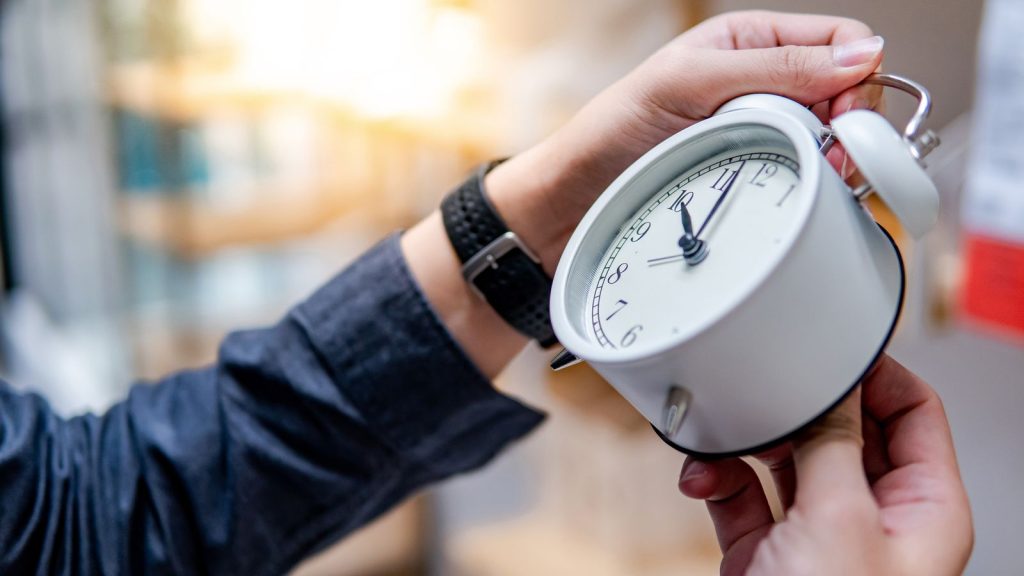
This weekend marks the transition into daylight saving time in the UK. On Sunday, 29 March, the time will shift forward by an hour at 1am. This change means people will lose an additional hour of sleep.
While the added daylight in the evenings brings benefits, the disruption to morning routines is notable. The phrase “Spring forward, fall back” has been a part of the UK’s calendar for over a century, yet its value remains a topic of discussion.
Origins of Daylight Saving Time
The practice of adjusting clocks with the seasons traces back to the 1890s. George Hudson, a New Zealand entomologist, proposed the idea to gain extra evening light for his research. His concept gained traction later in the 20th century, with William Willett, a British inventor, popularizing it through his 1907 pamphlet titled The Waste Of Daylight.
Willett suggested a 80-minute forward shift in April, followed by a gradual return in September. Though his vision was influential, it took until 1916 for Germany to first implement the system during World War I. The UK soon adopted the practice, following shortly after.
Health Impacts of the Time Shift
Studies have shown the spring change can disrupt circadian rhythms and sleep patterns. Research from the American Heart Foundation linked the transition to a 24% rise in heart attacks on the day after the shift. In contrast, the autumn change often results in fewer incidents.
“What research shows is what a massive effect on the body and mind, just one extra hour [of sleep] can have,” said Charlie Morley, a sleep and dream researcher.
Another 2016 study in Finland noted a 8% increase in stroke-related hospital admissions following the time shift. Morley explained that losing an hour of sleep triggers the amygdala, a brain region linked to emotional responses. “The fear centre becomes 60% more active with minimal sleep, leading to heightened irritability and stress,” he noted.
Debates Over Ending the Practice
The question of whether to retain daylight saving has been debated for years. Last October, the British Sleep Society urged the UK government to abolish the twice-yearly adjustments. Researchers argued that the practice harms sleep health and should be replaced by standard time year-round.
According to the Pew Research Center, only a third of the world’s nations observe daylight saving. US President Donald Trump, in a 2024 post on Truth Social, expressed support for ending the policy. His secretary of state, Marco Rubio, also dismissed the tradition as “stupid,” echoing growing calls for reform.
