
Stopping weight loss jabs can lead to rapid weight regain in one year, study suggests
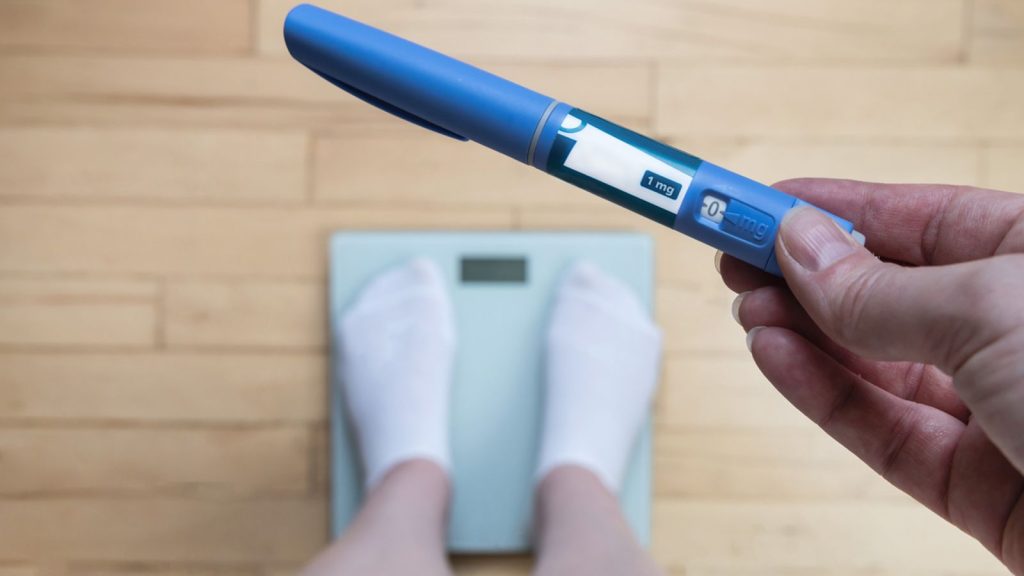
New Study Reveals Weight Loss Jabs May Result in Rapid Weight Regain Within a Year
A recent study indicates that individuals using obesity injections may recover most of the weight they’ve lost within a year of discontinuing treatment. The findings, published in eClinicalMedicine, highlight the potential for significant weight rebound after stopping the therapy.
Researchers at the University of Cambridge discovered that, after ceasing the injections for 52 weeks, participants on average regained 60% of the weight they had initially lost. The study, which analyzed six trials involving over 3,200 people, underscores the challenge of maintaining long-term weight reduction with these drugs.
Experts caution that if the regained weight primarily consists of fat, patients could end up in a less favorable health state than before initiating the therapy. The jabs, a class of GLP-1 receptor agonists, work by mimicking the hormone GLP-1 to regulate blood sugar and insulin levels. Originally developed for type 2 diabetes, certain variants such as semaglutide (Wegovy) and tirzepatide (Mounjaro) are now used on the NHS to address obesity.
Broader Applications in Addiction Prevention
A separate investigation involving over 600,000 U.S. veterans revealed that those without prior substance abuse histories experienced a 14% reduction in developing substance use disorders (SUDs) after beginning the injections. The findings, published in the British Medical Journal (BMJ), also showed a decrease in risks for alcohol (18%), cannabis (14%), cocaine (20%), nicotine (20%), and opioids (25%) among veterans on GLP-1 drugs compared to those using other diabetes treatments.
Among veterans already diagnosed with substance use disorders, the treatment was associated with a 31% lower likelihood of emergency department visits, hospitalizations, and related mortality, as well as a decrease in drug overdoses and suicidal behaviors. While the research focused largely on elderly male participants, comparable outcomes were observed in female subjects.
“Our projections indicate that while most weight is regained, some loss may persist. However, we are still uncertain whether the same proportion of lean mass is restored,” said Brajan Budini, a medical student at the University of Cambridge’s School of Clinical Medicine and Trinity College.
The researchers emphasized the importance of additional studies to analyze the impact of the injections on weight composition during and after treatment. These trials aim to clarify if the body’s recovery of lean mass matches the fat reaccumulation, which could influence long-term health outcomes.
Further reading: GPs to be offered bonus for prescribing jabs, which weight loss jabs are available on the NHS? Weight loss jabs could be banned by next Olympics
