
Middle East seemingly edging closer to war as Donald Trump moves warships – and Iran drops any subtlety in response
Strategic Drills and Escalating Tensions
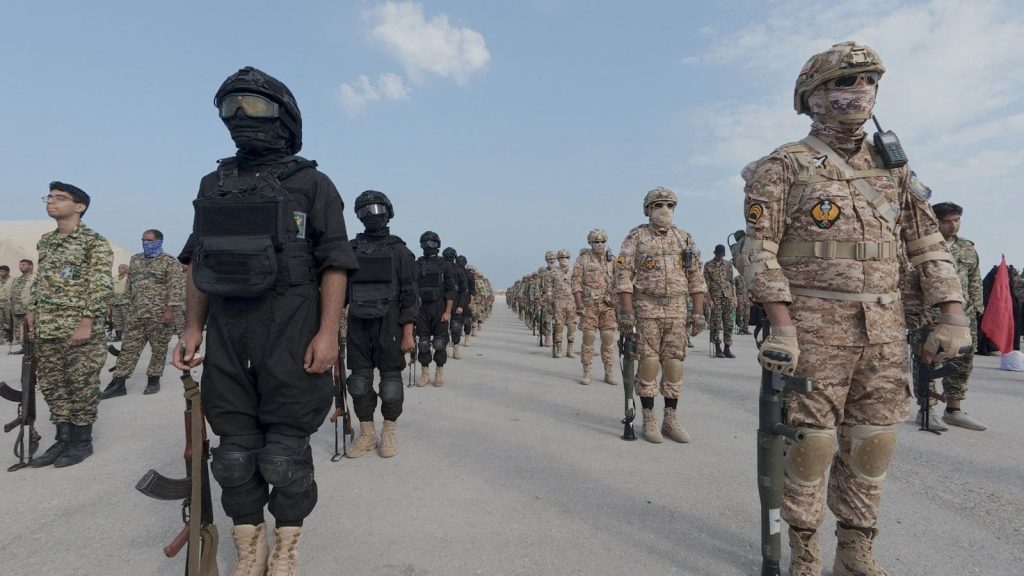
Recent military drills in the Strait of Hormuz have demonstrated Iran’s growing assertiveness, with targeted strikes on mock vessels and simulated disruptions of oil shipments highlighting its readiness for confrontation.
Supreme Leader’s Direct Threat
Ayatollah Ali Khamenei has issued a blunt warning, emphasizing that while warships pose a risk, the true danger lies in possessing the means to eliminate them entirely.
“A warship is a dangerous device,” he declared. “But more perilous still is a weapon capable of sending it to the ocean floor.”
Oil Transit and Naval Showdown
Approximately 20% of the world’s oil flows through the Strait of Hormuz, a chokepoint that Iran has temporarily sealed during its exercises, signaling potential disruptions if tensions escalate further.
US Forces on High Alert
Just a short distance from the Strait, the US has deployed a powerful military presence, with its aircraft carrier strike group engaged in drills that suggest preparation for active operations.
Diplomatic Hopes and Concerns
Iran’s foreign minister, Abbas Araghchi, emerged from recent discussions with an air of cautious optimism. While he believes foundational talks for a resolution have begun, he cautioned that a final agreement might take considerable time to materialize.
Trump’s Stance and Iranian Resistance
US President Donald Trump has indicated that a deal could lead to targeted strikes against Iran, framing it as a necessary step. However, Iranian officials view the proposed terms as a sign of capitulation, with complete nuclear enrichment cessation serving as an unyielding boundary.
Path to Conflict or Resolution
With diverging objectives and fragile negotiations, the challenge of reconciling differences appears daunting. Should diplomatic efforts stall, the region risks spiraling toward open hostilities.
