
‘A chance for freedom’ – Kurdish fighters desperate to join battle against Iran
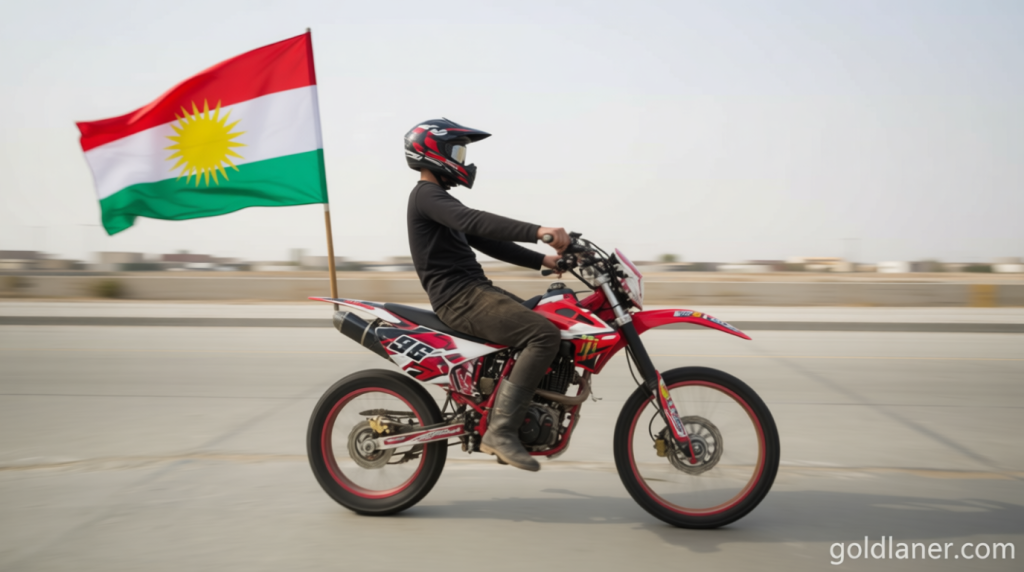
A chance for freedom – Kurdish fighters eager to engage in conflict with Iran
Over the years, I’ve observed Iraqi and Iranian Kurdish fighters collaborating with American forces in Iraq and Syria. They’ve been pivotal in preventing Islamic State (IS) fighters from advancing into large portions of northeastern Syria and Iraq.
Iran latest: ‘Security incident’ near Cyprus RAF base
Recently, the bases of Kurdish military groups have faced rocket and drone attacks from Iran, similar to the assaults on American installations. This has prompted the Kurdish militias in neighboring Iraq to be highly motivated to cross the border and participate in a revolt against the Iranian government.
I know this from their own statements. In a remote location, I met a high-ranking political figure from the Kurdish Democratic Party of Iran. The setting was a quiet building in a town situated beneath mountains that connect to Iran.
Karim Parwizi, who will lead one of the armed units ready to cross the border, explained that the decision to act has been long in the making. He emphasized that the Iranian regime has consistently targeted them, resulting in deaths and systematic violence over decades.
“For years, for decades, this regime has attacked us, killed our people, and committed genocide against our communities,” Parwizi said.
“Now that the regime is weakening, we see this as a chance to push toward our freedom,” he added.
Iran has warned of bombing Kurdish settlements across the border if they intervene. When I asked Parwizi about these threats, he responded:
“The regime doesn’t need an excuse to strike. They’ve targeted us without hesitation for 47 years.”
“Even when we’re not involved, they attack. We’ve lived under constant threat. So no, they don’t need justification—they’ve done it for decades.”
Uncertainty surrounds the level of military cooperation between the U.S. and Kurdish forces since the campaign against IS. While neither side has officially stated a shift in their alliance, the strategic presence of American bases in Iraqi Kurdistan remains unchanged.
Strategic U.S. bases in Iraqi Kurdistan
Zanyar, a Peshmerga fighter, shared his perspective during a meeting in a safe house for families of those preparing for battle. He expressed a desire to follow the encouragement of U.S. President Donald Trump, aiming to inspire Iranian civilians to rise against their government and security forces.
Zanyar’s wife and child were killed in an Iranian missile strike at this location four years ago. This personal loss has made crossing the border to confront the regime a deeply personal cause for him, as he noted:
“Past attempts at resistance were scattered, but this time is different. There are people inside Iran openly opposing the regime, and opposition groups are more unified and determined than ever.”
“The international community now widely supports the idea that this government must fall. That coordination gives us hope this could be a real opportunity for transformation,” he concluded.
The question remains: Will a Kurdish ground operation spark a nationwide Iranian uprising, or could it instead trigger ethnic and sectarian turmoil? As with much of this conflict, the final outcome is still unclear.
