
Depression fears drove Orie’s retirement decision
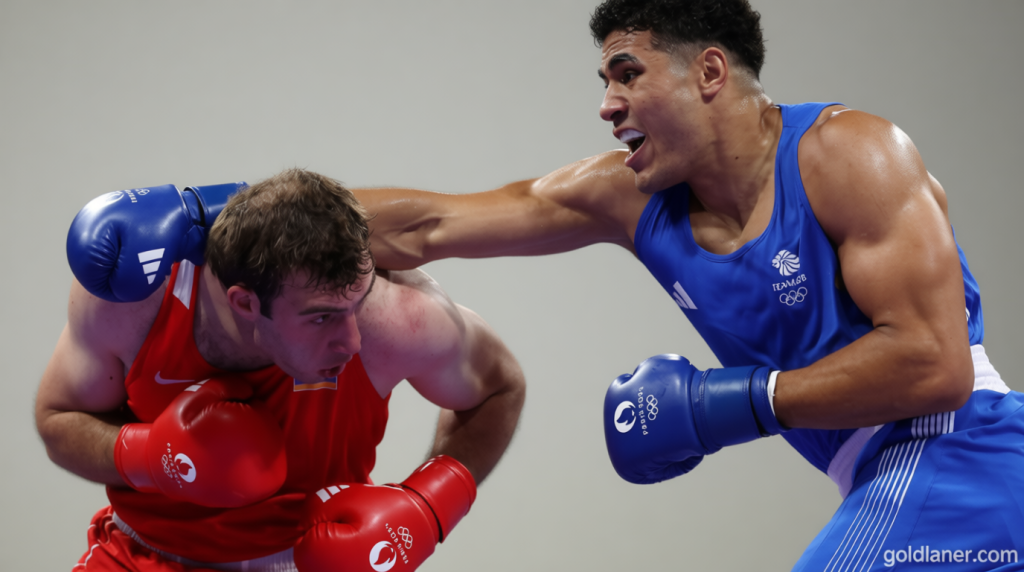
Depression fears led Orie to leave boxing
Delicious Orie’s decision to retire from the sport was rooted in concerns about his mental well-being, as he reflected on the emotional toll of professional boxing. The 28-year-old, who had once seemed destined for greatness, now sees his journey as a mix of financial success and inner emptiness.
From amateur promise to pro aspirations
Orie’s path began in the amateur ranks, where he quickly became a standout competitor. Born in Russia, he relocated to the UK as a child and, even at seven, recognized the potential for success in British boxing. Over eight years, he pursued Olympic glory, eventually securing a spot on Team GB. His ultimate goal was to win gold, but when that didn’t materialize, a shift in his mindset began.
“There was no Plan B, no alternative path—it was all about winning that medal,” he said. “The moment I failed to raise my hand, the feeling of emptiness grew stronger.”
After the Paris Olympics, Orie became a hot commodity in the heavyweight division. Despite not securing a medal, a bidding war emerged among promoters, including Frank Warren’s Queensberry and Eddie Hearn’s Matchroom, with even WWE showing interest. Yet, just a month after the Games, he made a surprising announcement: retiring from boxing entirely.
A professional debut that tested his resolve
Orie’s professional debut was meant to be a smooth transition, but it proved challenging. His first win against Milos Veletic was far from effortless, and he questioned his purpose in the ring. “I had to choose between pulling out when it was almost too late or continuing with the hope of breaking free from the grind,” he explained.
“I turned pro for money, thinking it would bring happiness. But it only gave me a little satisfaction,” he admitted. “I realized it couldn’t fill the void inside.”
Orie’s initial dream of becoming a millionaire as a teenager was realized, but the financial rewards didn’t equate to fulfillment. “I earned a lot, and there were predictions of even more, yet I felt more unfulfilled than ever,” he said. The pressure of the sport, combined with the loss of personal moments, weighed heavily on him.
Revealing his decision and its impact
After making the move, Orie chose to walk away without consulting his loved ones. “I should have been more open about how I was feeling,” he later said. “Being mentally strong doesn’t mean suppressing emotions. Ignoring them can lead to a breakdown.”
“I feared that, if I continued, I would become a world champion but one trapped in sorrow and despair,” he confessed. “That was the road I was heading down, and I knew I couldn’t keep going blindly.”
Orie now aims to guide others, inspired by figures like Anthony Joshua who once shaped his own path. As a financial advisor, he hopes to show young men that fulfillment can come from pursuing passions beyond money. “Education about mental health is key,” he emphasized. “It’s about understanding when to step back and when to push forward.”
