
The solution to staleness in modern gaming is cross-pollination – Reader’s Feature
The Solution to Staleness in Modern Gaming is Cross-Pollination – Reader’s Feature
As long-running game series face the threat of creative fatigue, a reader proposes that blending genres and styles offers a fresh approach to sustaining their appeal.
Modern gaming is encountering a growing concern: the potential stagnation of beloved franchises. Are you beginning to feel that your favorite series lacks originality? Do you wonder if developers are struggling to innovate? If so, a reader argues that cross-genre experimentation could be the key to revitalizing these properties.
What is Pastiche?
Pastiche, as defined by Collins, refers to a work of art that combines elements from different styles or eras. It’s not merely imitation but a thoughtful fusion of familiar concepts with new contexts.
Contrary to licensed spin-offs that shift genres entirely, the focus here is on reinterpreting established ideas in untraditional settings. This strategy, the reader suggests, allows for creative reinvigoration without abandoning core identity.
Castlevania: A Role-Playing Game
Consider Castlevania, a series traditionally rooted in action-adventure. Symphony of the Night, now 30 years old, remains a groundbreaking example of how to breathe vitality into a genre that might have otherwise seen diminishing returns.
Prince of Persia: A Metroidvania
Prince of Persia: The Lost Crown has emerged as the most compelling entry in the series over the past two decades. It shows that even in oversaturated categories, like 2D Metroidvanias, innovation can thrive when applied to new formats.
“Once again, this is the exact sort of approach Nintendo should be taking to keep its biggest and oldest properties fresh,”
While The Sands of Time established the Prince’s reputation for fluid mechanics and engaging challenges, The Lost Crown proves that genre fusion can deliver fresh experiences.
Pokémon: A Dragon Quest Builders Pastiche
Pokémon’s recent evolution into a Dragon Quest-inspired building simulator, Dragon Quest Builders, already blends Minecraft with traditional RPG elements. This trend continues with Pokopia, which exemplifies nested pastiches – a genre within a genre within a genre.
Zelda: A Rhythm Action Game
Zelda’s latest iteration, Cadence of Hyrule: Crypt of the NecroDancer, offers a unique take by merging the series’ core elements with rhythm-based action mechanics. This approach, the reader notes, is a masterstroke in maintaining player engagement through novel challenges.
Final Fantasy: A Sekiro Style Parry Fest
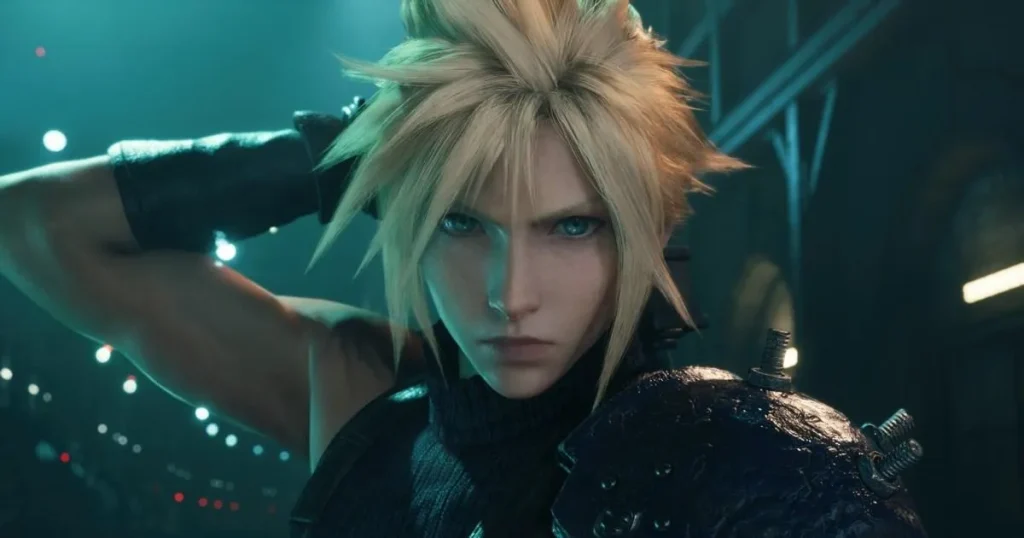
Final Fantasy’s shift toward sekiro-style combat has sparked debate. For those who find it less satisfying than From Software’s earlier titles, the reader acknowledges the change but highlights its potential. Clair Obscur: Expedition 33 demonstrates how this concept can be applied to turn-based RPGs, creating a seamless blend of risk and reward in combat.
Gears of War: A Bullet Hell Roguelite
Gears of War’s recent evolution into a bullet hell roguelite, like Returnal, represents a bold move. The reader hopes that Saros will make these design choices more accessible, helping players appreciate the genre’s strengths without being overwhelmed.
The integration of dynamic combat and rhythmic gameplay in these examples shows how cross-pollination can transform familiar frameworks into innovative experiences. By reimagining traditional mechanics, developers can keep their most iconic properties relevant while attracting new creative energies.
