
US attorney who Trump fired minutes after he got the job sues to get it back
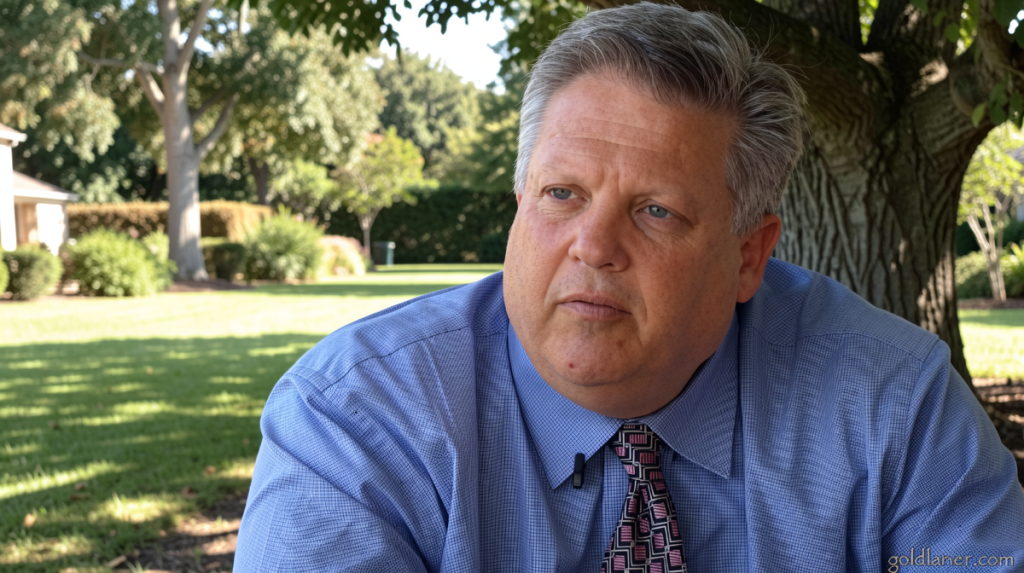
US Attorney Who Trump Fired Minutes After Appointment Sues to Restore Position
Legal Battle Over Interim Appointment Authority
Goldlaner.com – A former US attorney who Trump fired less than one hour after his appointment is now pursuing legal action to reclaim the position. Roger Rogoff, a seasoned judge and prosecutor, was unanimously selected by a federal judicial panel to serve as the top prosecutor for Washington state’s Western District. However, the Trump administration swiftly removed him from the role, setting the stage for what could become a landmark case regarding presidential power over federal judicial appointments.
The lawsuit, filed on Tuesday, challenges the administration’s interpretation of federal law governing interim appointments. According to Rogoff’s legal complaint, existing statutes clearly permit federal judges to select US attorneys until a Senate-confirmed nominee assumes the position. “But no person has yet been nominated, let alone confirmed, to fill the vacancy,” the lawsuit asserts. Rogoff’s legal team argues that the dismissal not only violates constitutional principles but also establishes a precedent allowing the president to effectively rewrite statutory law through executive action.
“The President cannot grant himself the authority to make those interim appointments instead, nor can he rewrite (the law) to require presidential approval of the district court’s choice,” the lawsuit states, quoting acting Attorney General Todd Blanche’s earlier social media explanation of the administration’s position.
Broader Implications for Federal Justice System
Rogoff represents only the latest in a series of confrontations between district court judges and the Trump administration over US attorney appointments. While other judges who appointed prosecutors have ultimately yielded to administrative pressure, Rogoff is taking a firmer stance through litigation. The Justice Department has faced similar challenges in multiple jurisdictions, where it has installed prosecutors that district court judges determined were not properly appointed due to extended vacancies awaiting Senate confirmation.
The most prominent example occurred in Northern Virginia last year, when a federal judge dismissed cases brought by acting US attorney Lindsey Halligan against New York Attorney General Letitia James and former FBI Director James Comey. The court ruled that Halligan had not been properly appointed nor confirmed by the Senate. Despite this setback, Halligan remained in her position through the appeals process, and the Justice Department continues to contest the dismissals.
Similarly, Alina Habba, a former personal attorney to President Trump, was compelled to resign after an appeals court determined she was improperly serving as US attorney in New Jersey. These cases collectively illustrate the ongoing tension between judicial independence and executive authority in shaping the federal justice system.
For Rogoff, the stakes extend beyond personal career considerations. His lawsuit seeks to establish clear boundaries regarding presidential power over interim appointments, potentially affecting how future US attorneys who Trump fired or appointed will navigate the complex relationship between district courts and the executive branch. CNN’s Katelyn Polantz contributed to this report.
