
Supreme Court allows Brian Flores to sue NFL for discriminating against Black coaches
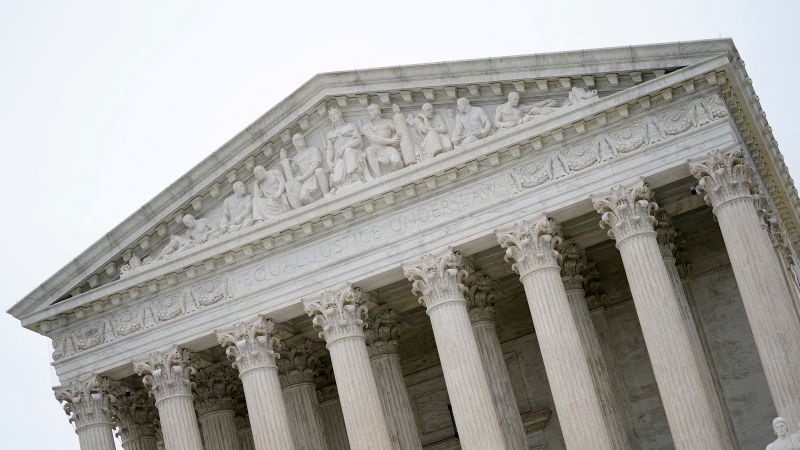
Supreme Court Allows Brian Flores to Sue NFL for Discrimination
Supreme Court allows Brian Flores to sue – The Supreme Court has permitted Brian Flores to pursue a lawsuit against the NFL, marking a critical development in the fight against racial bias in coaching positions. The court declined to intervene in the case, allowing the 2nd Circuit Court of Appeals’ earlier ruling to stand. This decision means Flores, along with other Black coaches, can now proceed to trial, challenging the NFL’s practices of systemic discrimination. The ruling highlights ongoing concerns about the league’s ability to control its own disputes, potentially limiting opportunities for underrepresented groups in the sport.
The NFL’s Arbitration Strategy
The NFL had sought to resolve the case through an arbitration process, claiming it would offer a faster and more cost-effective solution. However, the 2nd Circuit Court of Appeals rejected this approach, arguing that the league’s arbitration system lacks impartiality. The court emphasized that the NFL acts as both judge and jury, creating a conflict of interest. This ruling underscores the importance of independent arbitration, a key element in ensuring fair treatment for employees facing discrimination.
Flores, who has served as a defensive coordinator for the Minnesota Vikings and previously coached for the New England Patriots and Miami Dolphins, filed his lawsuit in 2022. He alleged that the NFL’s hiring practices systematically excluded Black coaches from top roles. The league’s attempt to force arbitration was seen as an effort to limit the scope of the case, allowing it to avoid broader scrutiny of its discriminatory policies. The 2nd Circuit’s decision to let the lawsuit continue to trial has now given it renewed momentum.
Legal Arguments and Rulings
Justice Brett Kavanaugh expressed his dissent, believing the Supreme Court should have taken up the case to address the NFL’s arbitration framework. He argued that the court’s inaction could weaken the arbitration process for future claims. In contrast, Judge Jose Cabranes, a Clinton appointee, stressed that the NFL’s system deviates from standard arbitration procedures. His ruling highlighted the absence of an impartial third party, which is crucial for fair dispute resolution. This legal debate continues to shape the trajectory of the case.
“
It contractually provides for no independent arbitral forum, no bilateral dispute resolution, and no formal procedure,” Cabranes wrote. “Instead, it offends basic presumptions of our arbitration jurisprudence by submitting Flores’ claims to the discretion of one of his opponents in the case, the NFL.”
Flores’ legal team maintains that the NFL’s structure enables the league to control outcomes in employment discrimination cases. They argue that this system disadvantages employees, particularly those from marginalized groups. By allowing the lawsuit to proceed, the court has set a precedent that could influence how employers handle discrimination claims. The case now moves forward with the potential to reshape hiring practices across the NFL.
Broader Impact on Employment Equity
Florales’ case has ignited discussions about racial equity in professional sports. The NFL’s history of favoring white coaches for high-profile roles has come under scrutiny, with critics pointing to long-standing disparities in leadership positions. The 2nd Circuit’s decision to permit the lawsuit to continue to trial suggests that the legal system is ready to examine these practices more closely. This could lead to significant changes in how the league addresses discrimination, particularly in its hiring and promotion processes.
The ruling also raises questions about the role of arbitration in employment law. While the NFL defended its system as a way to streamline disputes, the case demonstrates how it might also be used to stifle broader claims of systemic bias. As the trial approaches, the focus remains on whether the NFL’s arbitration process truly ensures fairness or if it reinforces existing inequalities. The outcome could have lasting implications for coaches and employees in other industries facing similar challenges.
