
Monetary compensation becomes key sticking point in Iran deal as Trump bristles at comparison to Obama agreement
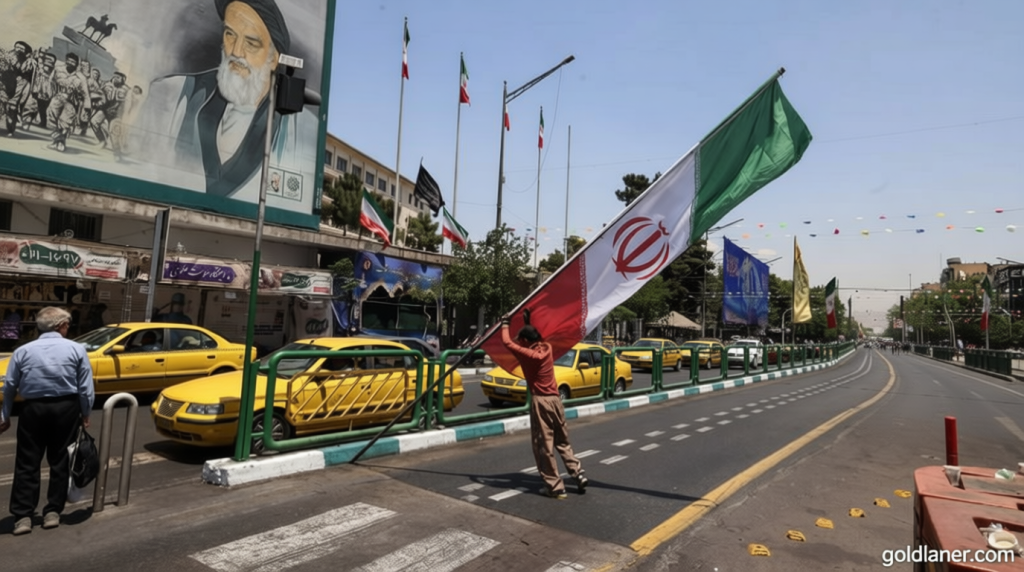
Monetary Compensation Key Sticking Point in Iran Deal as Trump Criticizes Obama Agreement
Monetary compensation becomes key sticking point in Iran deal negotiations, with U.S. and Iranian officials locked in fierce debate over financial terms. President Donald Trump has expressed frustration that the new agreement might resemble the 2015 pact under his predecessor, Barack Obama. The core disagreement centers on whether Iran should receive immediate financial relief or face gradual sanctions easing. According to a senior U.S. negotiator, the administration seeks to ensure the deal reflects a stronger stance than the Obama-era accord, which included the release of $1.7 billion in Iranian assets. Iran, however, insists that compensation must be rapid to address its economic challenges, a demand that has sparked tension between the two sides.
Tension Over Immediate vs. Gradual Relief
The disagreement underscores a fundamental divide: Iran’s desire for swift financial relief versus the U.S. preference for conditional, phased releases. While the Obama deal allowed for the unfreezing of assets without strict performance benchmarks, the current talks involve larger compensation amounts—up to $12 billion—allocated based on Iran’s compliance with nuclear-related commitments. Trump’s team argues that immediate payments risk undermining the leverage the U.S. has built over years of sanctions, while Iran maintains that delayed compensation could weaken its position and lead to further concessions.
“Monetary compensation is not just a number—it’s a tool to ensure accountability,” said a White House official, emphasizing that the new deal must prevent Iran from gaining an unfair advantage. The administration has been advised that the phrase “pallets of cash” used to describe the Obama agreement could damage the perception of the current deal. To avoid this, negotiators are pushing for a framework where funds are released only after Iran meets specific conditions, such as verifiable progress on nuclear program reforms.
Alternatives to Direct Payments
U.S. officials are exploring ways to provide financial support without direct monetary compensation. One proposal involves channeling funds through third-party nations like Qatar, allowing the U.S. to avoid upfront commitments. Another option is to unfreeze Iranian assets but restrict their use to humanitarian purposes, such as medicine and food supplies. This approach would satisfy Iran’s immediate needs while preventing the government from benefiting directly, maintaining pressure on Tehran to adhere to the agreement’s terms.
A third strategy involves creating an investment fund to finance Iran’s reconstruction efforts. While the U.S. would contribute a smaller share, the majority would come from Gulf allies. This fund would be released only after Iran demonstrates adherence to nuclear restrictions, aligning monetary compensation with long-term strategic goals. These alternatives aim to balance Iran’s economic demands with Washington’s desire to retain control over the financial terms, ensuring the deal is perceived as both fair and firm.
“We can’t afford to give Iran a blank check,” stated a Trump administration advisor. “Every dollar must be earned through compliance, not handed over without accountability.”
Public Messaging and Political Implications
Trump’s focus on monetary compensation reflects his broader political narrative of reasserting American dominance in the Iran deal. The administration has framed the Obama agreement as a “handout” to Iran, contrasting it with the current deal’s emphasis on conditional rewards. This rhetoric aims to position the new agreement as a bold move that prioritizes U.S. interests while addressing Iran’s economic distress. However, critics argue that the focus on monetary compensation risks overshadowing other critical aspects, such as Iran’s nuclear program and regional influence.
As negotiations continue, the question remains: will monetary compensation become the defining factor in the success of the new deal, or will it create a barrier to broader agreement? With Trump’s team insisting on a stricter approach, the outcome may hinge on whether the U.S. can secure Iran’s acceptance of financial terms that reinforce its strategic objectives without compromising the deal’s viability. The stakes are high, and the decision could shape the future of U.S.-Iran relations for years to come.
