
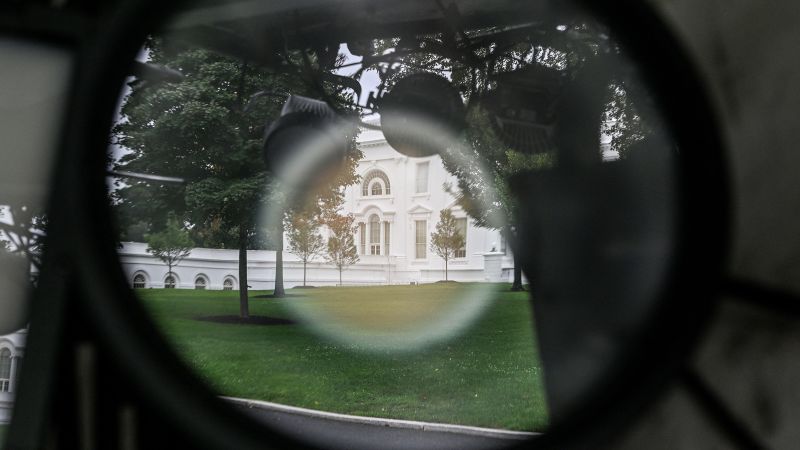
Justice Department Defends White House Restrictions on CNN, MS NOW and Politico
Goldlaner.com – The Justice Department is urging a federal judge to allow President Donald Trump to restore a White House access ban affecting CNN, MS NOW and Politico, arguing that the administration may restrict outlets it believes could obtain or distribute information harmful to national security.
The filing, submitted late Friday before a hearing scheduled for next week, is part of a legal dispute brought by the three news organizations. At issue is whether the White House can revoke access to its grounds and press facilities based on concerns about reporting practices, national security, or professional standards.
“[T]he President determined that Plaintiff news networks had published stories that adversely affect national security, including publishing possibly classified or sensitive information,” the Justice Department wrote.
The department said the outlets had shown a readiness to publish material that could undermine national security. It contended that limiting White House access would eliminate one possible way for those organizations to obtain additional sensitive information.
“Restricting access to the White House removes one avenue for these outlets to obtain such harmful information.”
Legal challenge centers on press freedom and due process
The affected organizations have challenged the ban under the First Amendment and have also accused the administration of violating their due process rights. In a filing submitted Monday night, their lawyers argued that the reporting criticized by Trump falls squarely within the type of journalism the Constitution was designed to safeguard.
They described the restrictions as an unlawful attack on core First Amendment protections. Their request asks Judge Timothy Kelly to issue a preliminary injunction that would keep access in place for a longer period while the case moves forward.
Kelly is currently weighing whether to extend a temporary, two-week order that restored the outlets’ access to the White House. That order is due to expire at the end of next week. A hearing on the preliminary-injunction request is set for Thursday.
A preliminary injunction would not end the lawsuit, but it could determine the practical rules governing White House access while the broader constitutional questions are litigated. The dispute therefore carries consequences not only for the three outlets involved, but also for the standards that may govern press credentials and access to presidential events.
Administration expands its national-security argument
The White House has maintained that stories published by the media companies created national-security concerns. Judge Kelly initially rejected that rationale last week, and the Justice Department’s Friday filing did not present new evidence showing that the outlets had endangered national security through the stories at issue.
Instead, the department argued that the administration need not prove the organizations had published classified material before acting. It also emphasized the position that the spread of misinformation can itself present a national-security concern.
The filing further argued that White House access is a privilege and that the president may expect journalists who receive it to meet standards of professionalism. The Justice Department maintained that existing court decisions do not bar the president from expecting reporters to identify sources, prioritize accuracy and give the White House an opportunity to respond.
The relevant precedent did not “prevent the President from concluding that bona fide journalists would identify sources instead of relying on anonymous sources, commit to factual accuracy, and provide the White House an opportunity to comment.”
The argument places the case at the intersection of presidential control over White House premises and the constitutional protections available to journalists. The outlets contend that access cannot be withdrawn in retaliation for unfavorable coverage or without constitutionally adequate procedures.
Ban followed Trump’s criticism of coverage
Trump announced the ban against the three organizations last month in a social media post. In later remarks, he indicated that his frustration with their broader coverage was a factor in the decision.
The White House has since pointed to reporting on the Iran war, construction of the East Wing ballroom and the GOP midterm convention as examples of stories it says raised national-security concerns.
Before Judge Kelly restored access, reporters from the affected outlets had their White House press badges deactivated and confiscated. Those credentials are used to enter White House grounds and perform day-to-day reporting duties there.
Access issues have continued even after the temporary order. The White House has limited the organizations’ participation in the press pool, the rotating group of journalists assigned to cover presidential appearances and travel when space or logistics prevent the full White House press corps from attending.
CNN, for example, was not permitted to travel with Trump on Saturday when he flew to Tennessee, despite being scheduled for that role under the pool rotation.
Judge previously found procedural concerns
In the temporary restraining order issued last week, Kelly concluded that the administration had violated constitutional due process requirements in the way it imposed the ban. He cited precedent establishing that reporters are entitled to advance notice and an opportunity to challenge a decision before their White House access is revoked.
Lawyers for the outlets now want the judge to go further by finding that the ban also violates the First Amendment. Such a ruling, they argue, would prevent the White House from adopting alternative measures intended to sidestep the court’s earlier order.
The Thursday hearing will give both sides an opportunity to address whether the temporary restoration of access should become a longer-lasting court order. The answer may shape how far an administration can go in restricting journalists from the White House while disputes over coverage, sources and national-security claims remain unresolved.
Related Reading
Frequently Asked Questions
What is Justice Department asks court to let Trump?
Justice Department asks court to let Trump is the main topic of this guide. The article explains the context, practical details, and next steps readers should understand.
Why does Justice Department asks court to let Trump matter?
Justice Department asks court to let Trump matters because readers are looking for a useful answer, not just a short summary. Good content should match search intent and help them decide what to do next.