
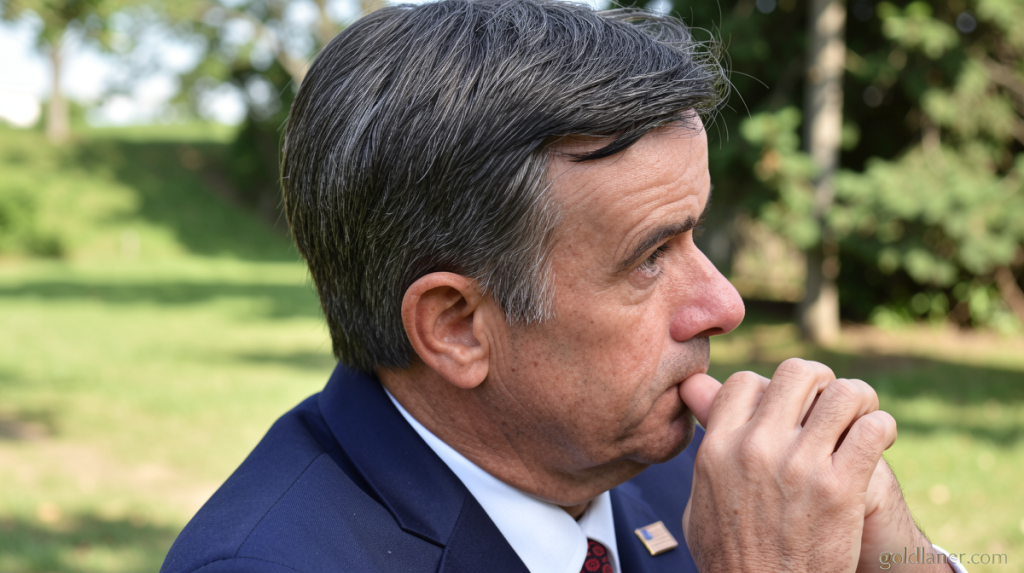
Surprise Moscow Trip by CIA Chief Signals Back-Channel Push as Ukraine Talks Stall
Goldlaner.com – Amid a grinding freeze in diplomatic efforts to end Russia’s war against Ukraine, the head of America’s intelligence agency made an unannounced overnight journey to Moscow to sit down with Russian counterparts. CIA Director John Ratcliffe’s arrival marked his first confirmed trip to Russia since taking the post under President Donald Trump, and it landed with particular weight given the current impasse in peace negotiations between the two warring states.
The visit, which took place over the weekend into early Tuesday, was not publicized in advance. A US official with direct knowledge of the travel arrangements confirmed the trip but declined to disclose what was discussed at the meetings or what agenda items were on the table. The CIA itself offered no comment when asked for clarification.
A Coordinated Quiet Corridor
Behind the scenes, Washington had taken steps to ensure the director’s passage through Russian airspace and his time in the capital would not be complicated by ongoing hostilities. According to a person familiar with the matter, the United States asked Ukraine to suspend drone and missile strikes targeting Moscow and other cities in northern Russia for the duration of the visit — specifically from Monday through Wednesday of that week. Ukrainian officials were informed that a senior American official would be traveling inside Russia, giving Kyiv advance notice of the temporary pause in operations over those targets.
The request underscores how tightly interwoven the diplomatic track and the military track have become in this conflict. Even a single high-level intelligence meeting now requires synchronized adjustments to battlefield tempo, a reality that did not exist in earlier phases of the war.
The Aircraft and the Airspace Question
Flight-tracking data from Flightradar24 showed a US military transport plane — a Boeing C-17 Globemaster III — touching down at Moscow’s Vnukovo International Airport in the early hours of Tuesday. The flight appeared to have originated at Joint Base Andrews in Maryland, the primary airlift hub for senior US government travelers. However, the aircraft’s route through European airspace raised a brief question about coordination with NATO allies along the way.
A spokesperson for Latvia’s Defense Ministry addressed the matter directly, confirming that the flight had departed from Riga, the Latvian capital, and had been cleared to operate within the country’s airspace.
“Properly coordinated and authorized for operation within the airspace,” the spokesperson stated. “Since the aircraft is not operated by the National Armed Forces of Latvia, we are unable to provide any further information concerning this particular flight.”
The clarification was notable in its own right: Latvia, a frontline NATO member sharing a land border with Russia, routinely hosts transit flights for allied military aircraft. The fact that a US intelligence chief’s transport required explicit coordination through Riga — rather than a more direct transatlantic or over-the-polar route — hints at the layered diplomatic and military permissions that now govern even routine government travel in this theater.
Timing Against a Broader Economic Backdrop
The visit arrived just one day after Treasury Secretary Scott Bessent unveiled what he called “Operation Economic Outcast,” a new strategy aimed at isolating Iran from the global economy by penalizing countries and entities that continue to conduct business with Tehran. The timing is not incidental. Russia remains a strategic trading partner for Iran, and any sustained economic pressure campaign against Tehran will inevitably intersect with Moscow’s commercial interests. A CIA director in Moscow the morning after such an announcement suggests that Washington wanted to communicate its intentions — or gauge Russia’s reaction — before the new economic measures began to bite.
For readers tracking the broader arc: the Russia-Ukraine peace process has entered a period of visible stagnation. Multiple rounds of negotiation have produced no breakthrough on the core territorial and security questions, and both sides have returned to a posture of attrition. In that environment, back-channel contacts between intelligence chiefs carry outsized significance. They allow each side to test assumptions, signal flexibility on secondary issues, and maintain a thread of communication even when formal talks have gone quiet.
What Remains Unknown
As of the latest available information, neither the White House nor the CIA has released a statement describing the substance of Ratcliffe’s meetings in Moscow. No Russian government spokesperson has publicly confirmed the visitor’s identity or outlined the topics addressed. The absence of a joint communiqué or even a brief photo opportunity suggests the encounter was intended to remain low-profile — consistent with the unannounced nature of the trip itself.
CBS News was the first outlet to report on Ratcliffe’s presence in Russia, breaking the story before official channels could respond. The report prompted the follow-up confirmations from US and Latvian officials described above.
Whether this visit will produce any visible shift in the stalled negotiation track — or in the economic pressure campaign now being assembled against Iran’s trading network — remains to be seen. What is clear is that Washington is keeping multiple channels open simultaneously: the military corridor, the economic lever, and the intelligence back-channel, all operating in parallel while the formal peace process sits idle.
Related Reading
Frequently Asked Questions
What is CIA director makes unannounced visit to Moscow?
CIA director makes unannounced visit to Moscow is the main topic of this guide. The article explains the context, practical details, and next steps readers should understand.
Why does CIA director makes unannounced visit to Moscow matter?
CIA director makes unannounced visit to Moscow matters because readers are looking for a useful answer, not just a short summary. Good content should match search intent and help them decide what to do next.